
Introduction
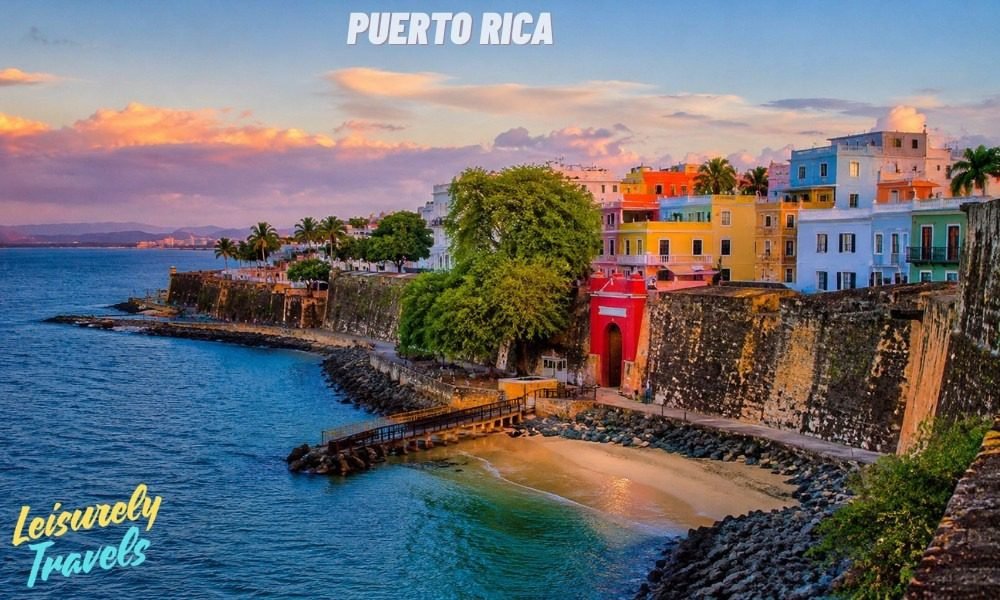
Looking for the best things to do in Puerto Rico? This Caribbean island pulls travelers in fast, with sun-soaked shores and open water at every turn. It’s not hard to understand why this spot has won over so many travelers.
Puerto Rico offers a mix few islands can match: historic streets, natural wonders, and flavors worth planning a trip around. This guide covers the best spots across San Juan, the west coast, and beyond, from historic lighthouses to colorful murals tucked into small towns. It’s built for first-time visitors.
Puerto Rico carries rich history and natural gems that catch most people off guard. Locals still call it the Island of Enchantment, and it’s easy to see why once you’re there.
Whether you’re a history buff, a nature enthusiast, a foodie, or a beach lover, this island has something built for you. Between the beaches, natural wonders, and vibrant culture, it’s the kind of place people end up planning a return trip to before they’ve even left.
Why Visit Puerto Rico?
Puerto Rico doesn’t cater to just one type of traveler, and that’s part of what makes it stand out among the best things to do in Puerto Rico. A history buff can spend hours wandering old streets, while a nature enthusiast heads straight for the rainforest.
The bold explorer finds no shortage of thrills here. So does the foodie, the beach bum, and the reveler chasing a good night out. Every kind of traveler finds a reason to stay a little longer.
Best Time to Visit
If flexibility is on your side, aim for the driest months. December through April are the most comfortable months for things to do in Puerto Rico. Visits in July bring more heat, though a pool or the ocean makes cool-off breaks easy to find. Add a slower pace than the continental US, and traffic becomes part of every plan. Beach days call for one extra step: checking surf conditions first. Strong waves and rough surf show up more than most visitors expect.
Some beaches carry real risk, with drownings reported in certain spots. Checking posted flags and beach reports before swimming is time well spent. Timing matters everywhere, not just here our seasonal travel guides break down when to go for other destinations too.
How Many Days Do You Need?
There’s no single right answer here. It comes down to how much of the island travelers hope to explore.
- A 10-day trip around Puerto Rico covers the west coast comfortably and still leaves more to see.
- A five-day road trip works well too, hitting the highlights without feeling rushed.
Five days suits a first visit built around one or two regions. Ten days lets travelers slow down and explore beyond the obvious stops. Both are solid ways to plan things to do in Puerto Rico.
Getting Around Puerto Rico
Renting a Car

Getting around leans heavily on renting a car. Public transportation barely touches the West Coast, where attractions tend to sit spread out from one another.
Booking Ferries
One of the biggest tips for Puerto Rico travel: sort ferry tickets early. Anyone heading to Vieques or Culebra should book ferry tickets at least six weeks out. A common misconception is that you can simply buy tickets on the day, the way you would for a regular boat. It’s actually government-run public transportation, and that changes everything. Missing the early booking window can mean missing the outer islands entirely.
Same-day tickets are sometimes available at the ferry station in Ceiba, though usually limited to the afternoon boat. Chartering private boats once served as a backup, but many folded during the pandemic and chartering now runs costly. Regular ferry tickets, by comparison, run at just $2.00.
Things to Do in San Juan
Old San Juan
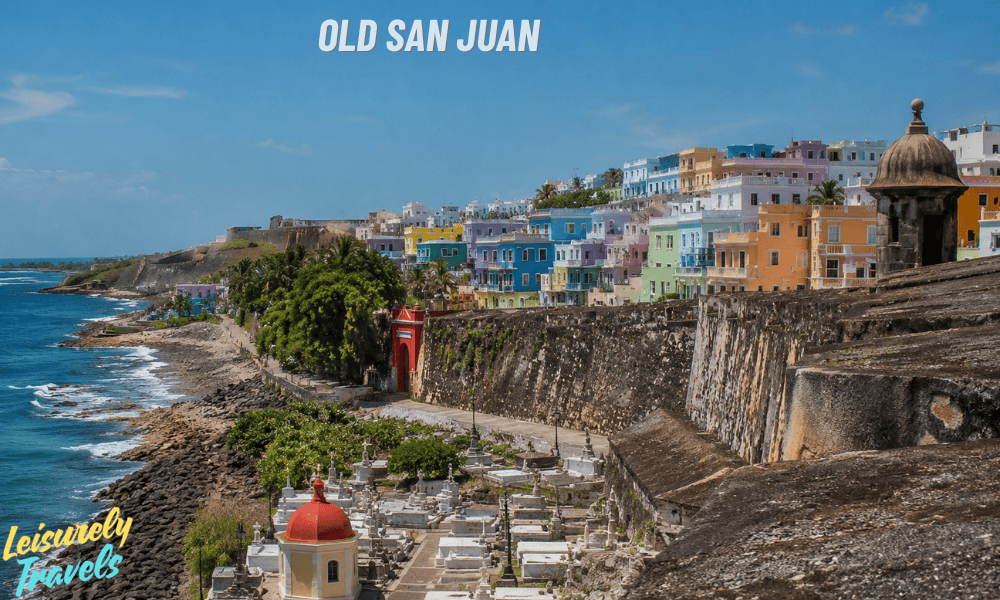
Walking into Old San Juan feels unlike arriving anywhere else on the island. From the second you set foot on the cobblestone streets, centuries of history surround you, and the vibrant architecture immediately draws you in making it one of the top experiences for first-time visitors to Puerto Rico.
Every corner has its own personality here. The historic architecture shapes the whole feel of the area, with pastel buildings sitting close together along narrow streets that seem to lean in and share their secrets. Some of these buildings date back 450 years, which is part of why any history buff falls for this place instantly.
The old dwellings, the forts, and the quiet corners tucked between shops all count as historical landmarks, even the ones without a plaque. The energy here is palpable from the moment of arrival. The atmosphere stays lively long after sunset, with live music spilling out from little bars, mixing with laughter from the street.
Art shows up in unexpected ways too murals on old walls, musicians on corners, and little galleries tucked into alleyways. Food and drinks round out the experience, and the best way to take it all in is on foot, wandering without a fixed plan.
Food Tour / Cuisine
Where to Eat and Drink Your Way Through Old San Juan
A walking food tour is one of the best ways to taste things to do in Puerto Rico through its flavors. Highly-rated tours take visitors straight to local spots most tourists never find on their own. These are the places locals actually go for Puerto Rican eats. Good guides tend to mix history and fun facts into every stop, turning each bite into more than just a food break.
Taberna de Lúpulo, a well-known craft beer spot tucked into the Old Town, is a common highlight known for local beer and a standout Cubano sandwich. Passionfruit cocktails also show up on many tour routes, an unusual but well-loved pairing.
Birthplace of the Piña Colada
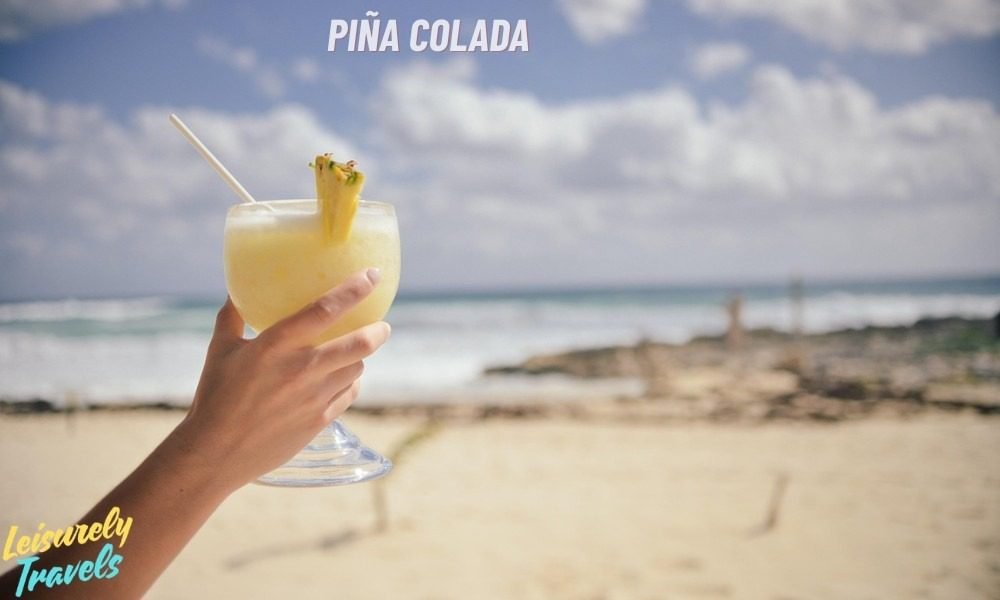
One of the top things to do in Puerto Rico is a stop at Barrachina Restaurant, right in the heart of Old San Juan. It carries real historical significance as the claimed birthplace of the world-famous Piña Colada. The open-air courtyard draws a steady crowd, and an hour-long wait for a table isn’t unusual given how popular it is. For those short on time, takeaway piña coladas are an easy way to skip the line.
A Chocolate Lover’s Dream
Chocobar turns chocolate into the star of the menu French toast, a burger reimagined as a chocoburger, even the sauces and dressings lean into it. The place stays packed, mixing domestic tourists, travelers, and cruise ship visitors at every table. Some call it gimmicky, but for chocolate lovers looking for something different, it’s worth the stop.
Bacardí Distillery
Hospitality in Puerto Rico goes beyond food and drink Bacardí runs a large distillery right in San Juan, and walking in feels a bit like a theme park for rum lovers. There’s plenty to see and taste.
Some tour packages include a VIP option with a peek into the barrel room, an area normally off-limits to guests. Standard tours, cocktail-making classes, and straight-up tasting sessions are also available. It ranks among the better spirits and wine production tours anywhere.
A Santa María Cemetery
Not every stop in Puerto Rico has to be loud. The Santa Maria Magdalena de Pazzis cemetery carries a quiet charm of its own, sitting in Old San Juan right next to El Morro. This oceanfront cemetery holds specific meaning locally many believe the location lets souls move outward toward the sea. It also works as a historical landmark in its own right, with visitors coming mainly for the coastline framing the space.
Nature & Adventure
A Rainforest Just Outside the City
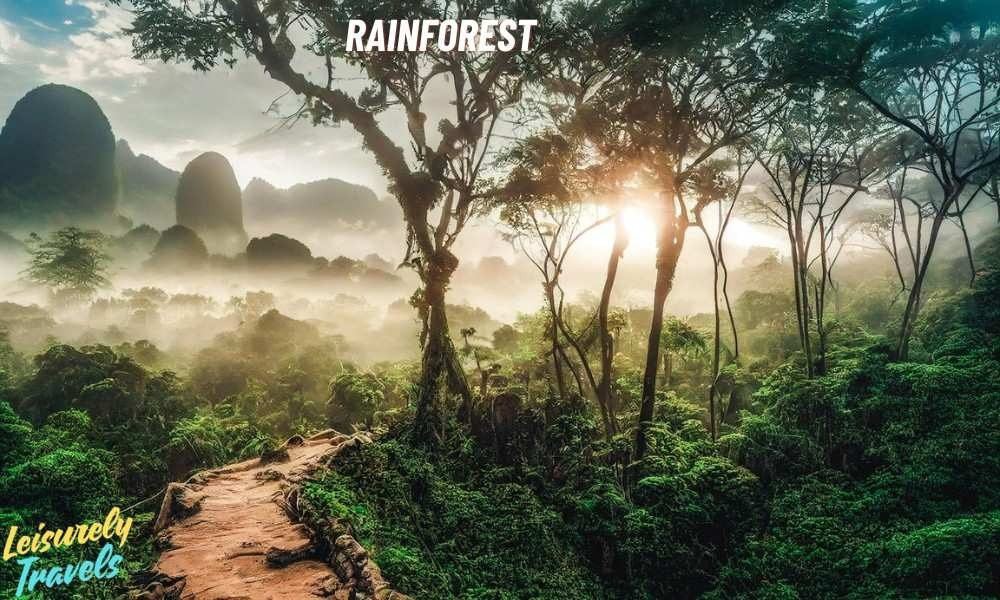
El Yunque National Rainforest sits closer than most people expect just a short drive from San Juan, the capital city itself. The route alone makes the trip worth it, starting with sunny coastal views before pulling into a lush rainforest. Few places let travelers go from beach energy to jungle canopy in under an hour. That contrast is part of what makes this one of the standout things to do in Puerto Rico.
What to Know About El Yunque
El Yunque packs waterfalls, hikes, and natural pools into one place, and it’s worth setting aside real time here. La Coca Waterfall is the easiest win striking, and simple to reach. The whole area is drivable, with parking on the side of the roads or in lots right next to the best views, making it more accessible than most rainforests. Seven hiking trails run through the rainforest, ranging from super easy to a bit harder.
Comfy hiking shoes and a swimsuit are worth packing, since several trails lead to spots to hop in the water. The Yokahú Observation Tower is worth the climb, with views at the top that make the effort pay off. For beginners, the Angelito Trail is a good starting point a 15-20 minute walk leading to natural pools and a scenic rope swing. Rain is common given the setting, though the warm climate makes it pleasant; cameras and electronics are worth protecting.
Reservations aren’t required anymore entry is first-come, first-served based on parking capacity, so arriving early in the day helps avoid getting turned away.
Chasing the Glow: Bioluminescent Bays
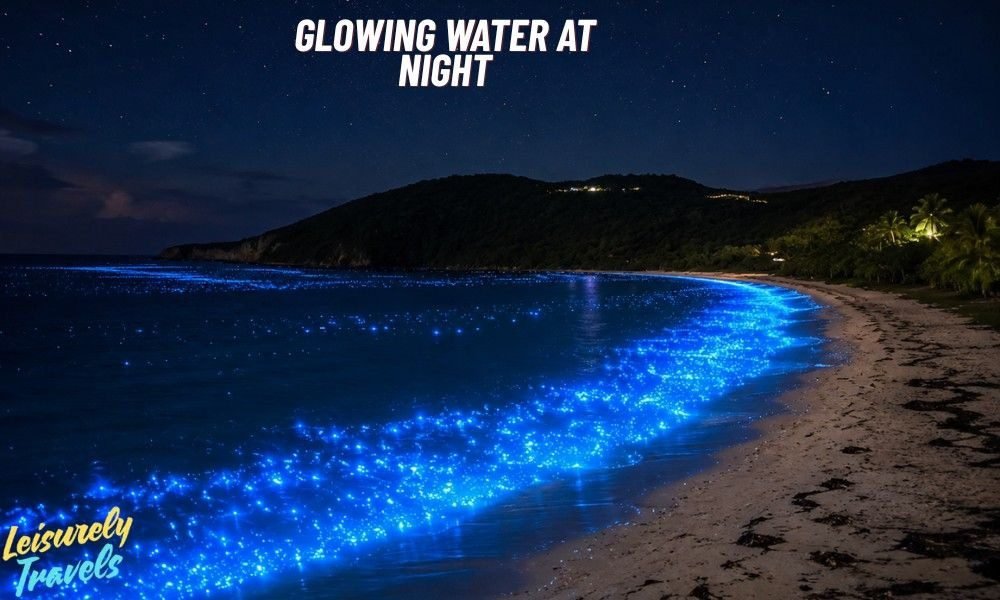
There are only a few places in the world to see bioluminescent bays, and Puerto Rico holds three of them. Bioluminescent waters carry microorganisms that make the water glow in the dark, whether swimming through it or boating over it.
- Laguna Grande in Fajardo, on the main island kayak-only, no swimming allowed.
- Mosquito Bay on the island of Vieques best explored by kayak as part of a Vieques itinerary.
- La Parguera, tucked into Lajas on the main island is the one spot where swimming in the bioluminescent waters is allowed.
For the Thrill Seekers: Ziplining Across the Island
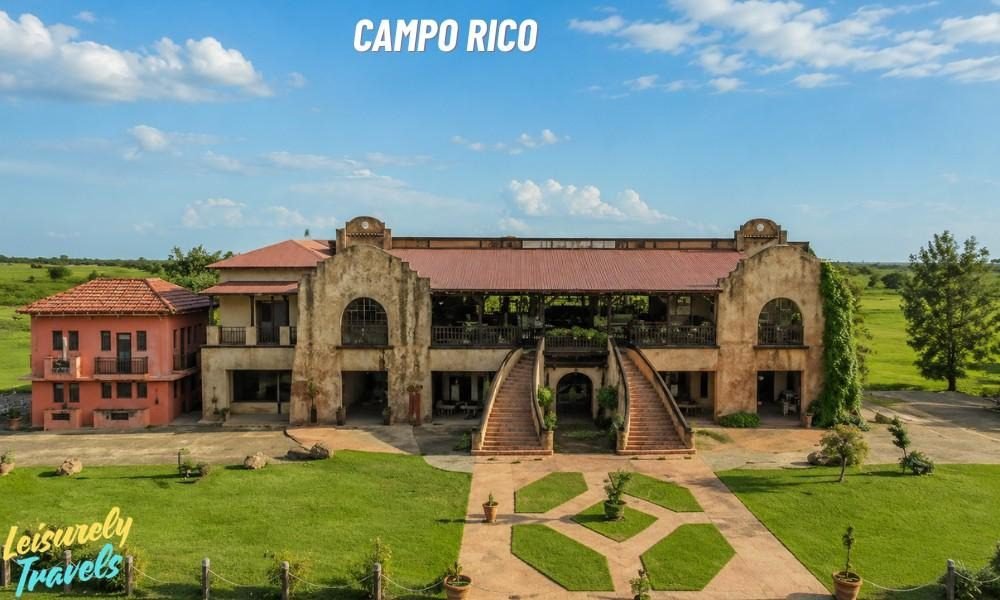
Ziplining ranks as a favorite island pastime, and Puerto Rico stands out for it across the Caribbean. Close to San Juan, the Ecoadventure at Campo Rico is a highly rated two-hour activity covering five ziplines, plus a light hike to reach the first line. For something bigger, a zipline through El Yunque National Forest steps things up with 11 ziplines and a rappel section, with rainforest views from the clouds making it one of the more memorable things to do in Puerto Rico.
A Day of Snorkelling in Guánica
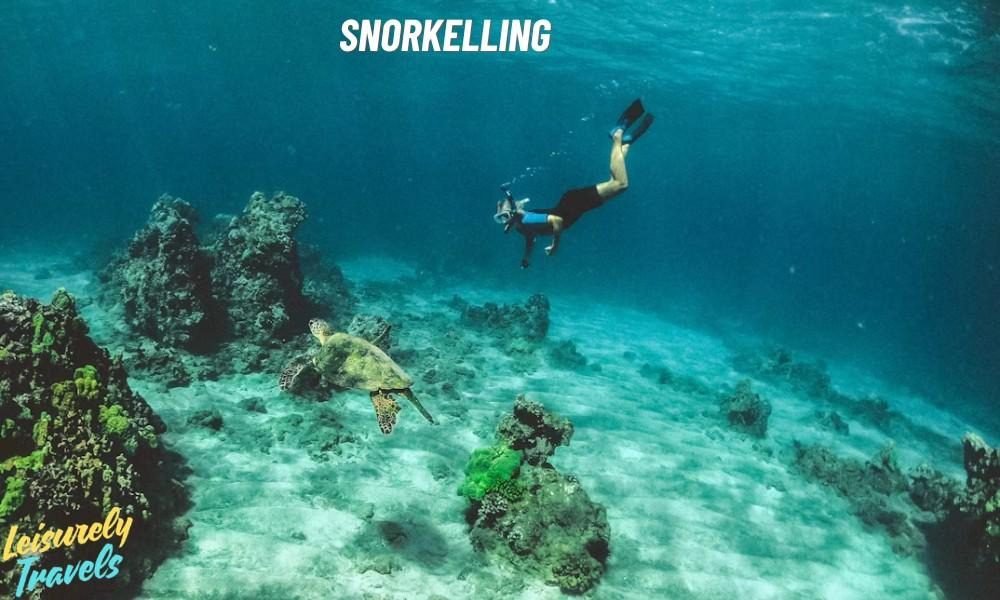
A full day of snorkeling and swimming on a boat tour with Scuba Dogs is a popular way to spend a day near Guánica, on the southwest coast of Puerto Rico. Boats commonly stop at Gilligan’s Cay, about a mile off the coast. The shallow water there makes for easy swimming, and it’s a favorite stop for travelers looking to mix a few water activities into one outing.
Best Beaches
Flamenco Beach
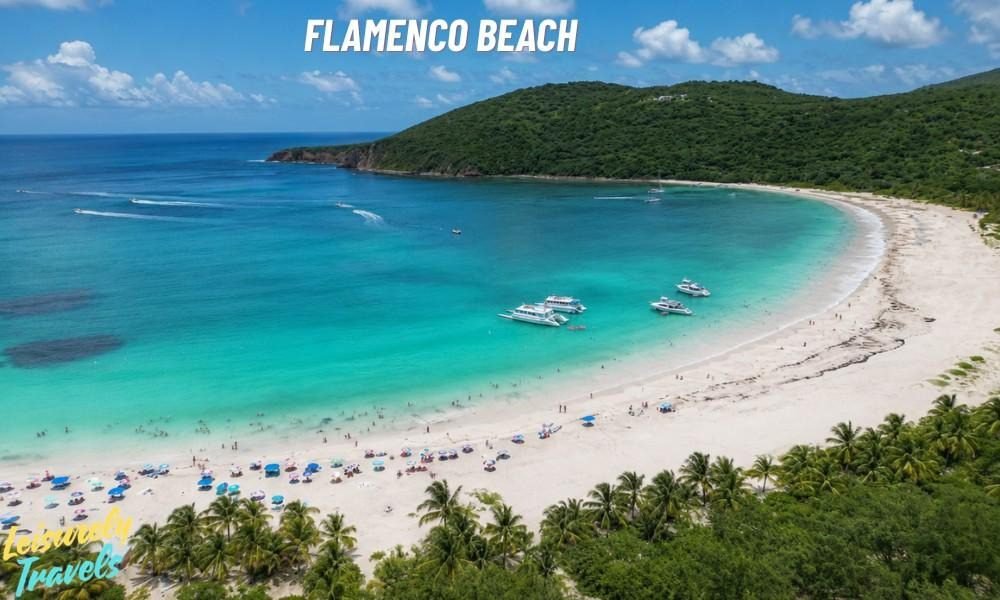
Flamenco Beach is the star of the show on Culebra Island a stretch about a mile and a half long, with clear turquoise waters. Weather plays a big role here, since it’s one thing no traveler can control. A red flag day means it’s not safe to swim, which can sting after making the trip out to Culebra Island. Even then, the beach itself is still worth visiting plenty of beachgoers still go in shin-deep, some a bit deeper.
Many beaches on this stretch are known for rip currents, and reports from local divers note the current can stay strong even on good-weather days. Whether or not a red flag is flying, it’s wise to stay cautious.
Crash Boat Beach
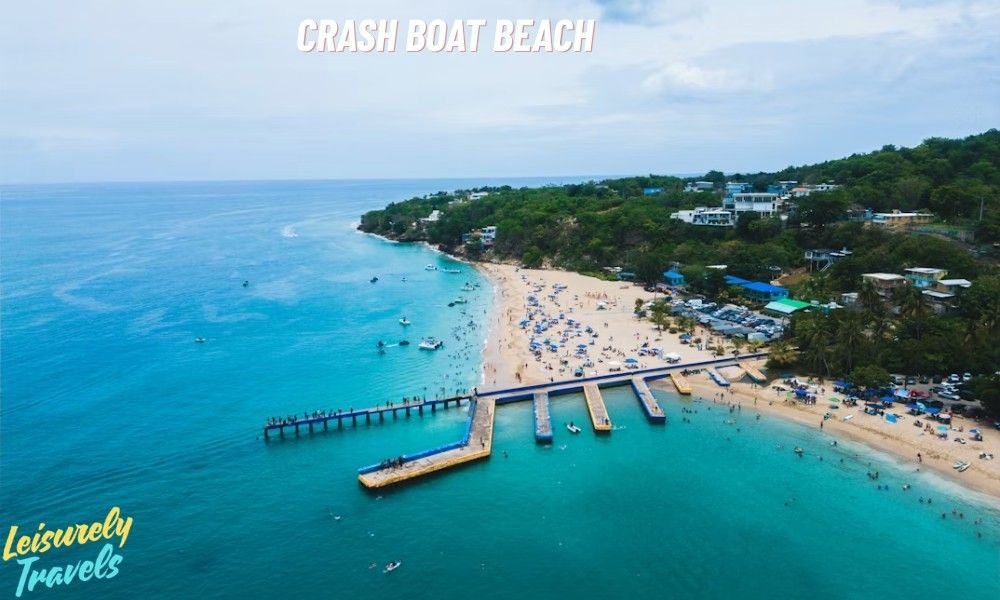
Crash Boat Beach is arguably the most popular beach on the west coast, and it’s easy to see why turquoise waters, excellent swimming, and solid snorkeling draw a steady crowd. Parking can be tricky, and cars often end up on the side of the road. A local rule worth knowing: tires need to sit completely off the road, or a ticket is likely. The colorful concrete jetty is a highlight, popular for photos and for cannonballing straight into the clear water below.
Vendors set up on site selling food and drinks throughout the day, with fresh coconut and coconut milk among the local favorites.
An Afternoon at Buyé Beach
Buyé Beach, in Cabo Rojo, is one of the more striking stops on this stretch clear, calm water and soft sand make it built for a full day of lounging. It sits in a beach town that locals visit more than tourists. Several other beaches sit in this same area, but Buyé stands out among the best things to do in Puerto Rico for a quieter beach day.
Trying Surfing in Rincón
Rincón is considered the ultimate surfing spot in Puerto Rico, and The Domes is one of the best beaches to catch waves there. Conditions can shift day to day, which makes booking ahead with a surf school worth it. Rincón Surf School is a well-regarded option, known for walking beginners through the basics before heading out on the water making the learning curve feel far less intimidating.
Explore Beyond San Juan
Wandering the Streets of Ponce
Ponce is the second largest city on the island, and it earns its place among the top things to do in Puerto Rico. Known as the Pearl of the South, the nickname makes sense the moment its buildings come into view. A walking tour is a solid way in Isla Caribe Walking Tours is a well-regarded option covering the city’s highlights. The art museum is worth a stop along the way, and a Piragua, the classic shaved ice sold by street vendors, is worth grabbing too.
Chasing the Pink Salt Flats
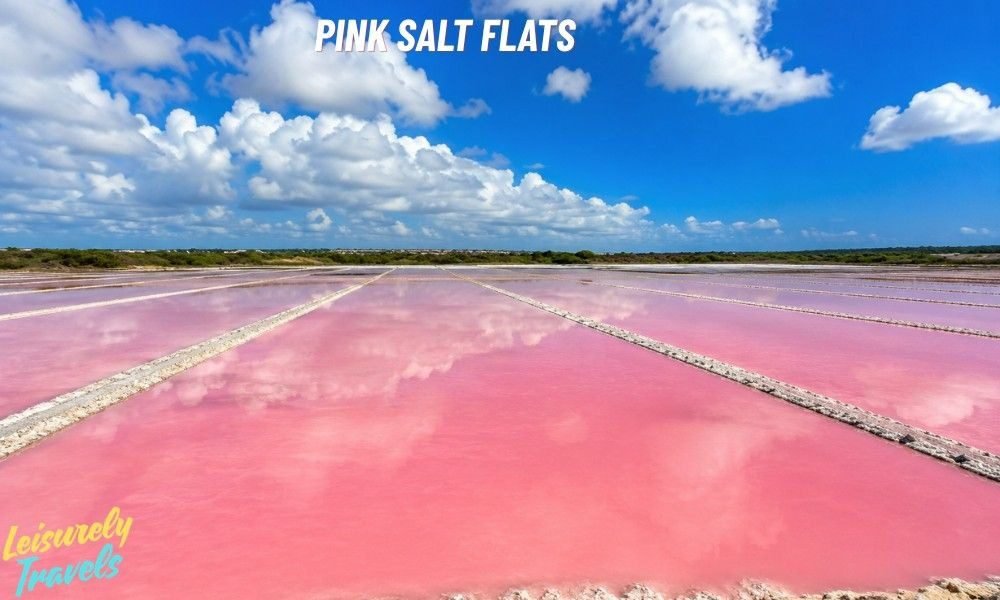
Salinas de Cabo Rojo is home to the pink salt flats that live up to the hype a working salt mine and National Wildlife Refuge rather than a beach, despite how it looks from a distance. The specific algae here creates the pink color naturally, making it one of the most photogenic things to do in Puerto Rico.
The Faro Los Morrillos Lighthouse sits a short walk from here, worth pairing with the same visit. The salt flats rank among Puerto Rico’s most striking natural wonders, with shallow salt ponds carrying subtle pink hues against Caribbean blue skies. The flats sit inside a natural reserve, with marked trails and boardwalks for peaceful walking. One thing worth knowing: the area carries a strong sulphur odor that isn’t for everyone, and it can shorten a visit for those sensitive to smell.
Early morning or late evening is the best time to go the light brings out the pink tones, and crowds tend to be smaller. Parking sits nearby, along with an overlook tower worth checking before heading down to the flats.
A Sunset Stop at Rincon Lighthouse
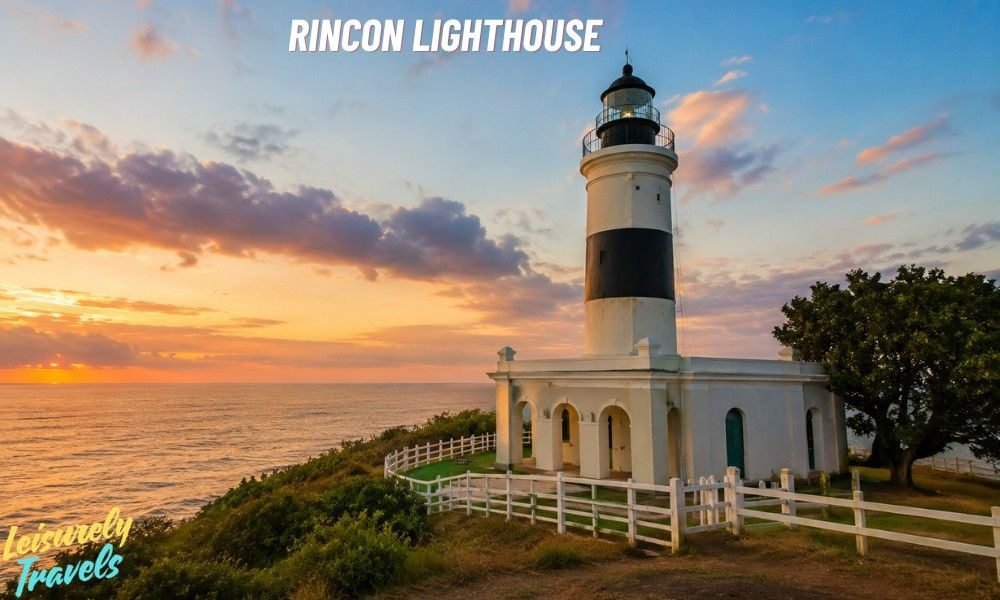
Rincon Lighthouse is one of Puerto Rico’s most iconic landmarks, with lights that have guided ships along the west coast since 1882. A boardwalk wraps around it, opening up to sweeping coastline views and some of the best sunset views on this stretch.
Vendors and small eateries sit nearby for snacks and drinks while taking in the view, and nearby swings make for a fun photo opportunity. It’s also one of the more accessible attractions in the area, with nearby parking and easy walking paths leading right up to it sunset is the best time to catch it.
Hiking Up to Cabo Rojo Lighthouse
Cabo Rojo Lighthouse sits atop dramatic limestone cliffs along Puerto Rico’s southwestern coast, making it a natural next stop after the salt flats. Fair warning: the hike runs long and gets taxing in the heat, with little shade along the way.
Main parking lots have stayed closed in recent seasons, reportedly due to hurricane damage, which stretches the walk to around 15 minutes or more. It’s still worth it panoramic views of the turquoise ocean and rugged cliffs make every step count, and other trails around the lighthouse are worth exploring with extra time.
Discovering Túnel de Guajataca
Túnel de Guajataca ranks among the most beautiful stops on this route. Originally built as a railway system for transporting goods across the West Coast, the stone tunnel now stands beautifully preserved.
The surrounding park is covered in murals, perfect for photos, while a walking trail continues past the tunnel to one of the west coast’s most striking beaches. Jagged shorelines and turquoise waters make it worth the stop, even though swimming isn’t ideal here.
The Macromatic Murals of Yauco
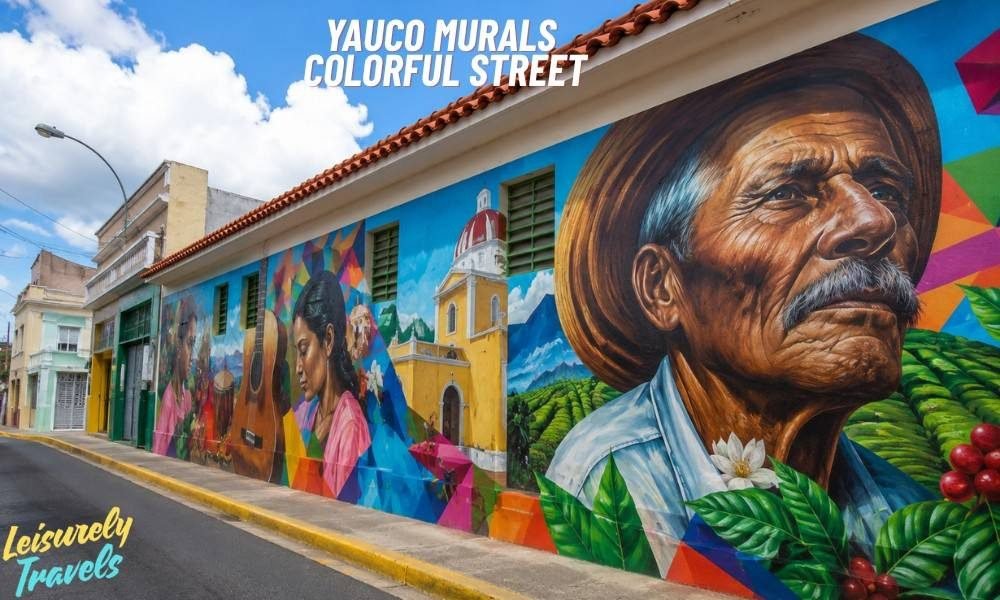
The macromatic murals of Yauco sit a bit off the beaten path, tucked into a town that doesn’t look like much at first glance. Reaching them takes some walking up steep hills, but locals in the area are known for being friendly and helpful with directions.
The murals are the work of local street artists, showcasing the culture, history, and spirit of Puerto Rico. Beyond the Macromatic itself, colorful street art fills many parts of Yauco, making it a worthwhile detour for photo opportunities.
Day Trips to the Islands
A Trip to Isla de Culebra
Culebra Island sits about 40-45 minutes offshore from the main island of Puerto Rico, reachable only by ferry. Locals rave about it constantly, and several travel publications have called it home to some of the most beautiful beaches in the world.
The draw is simple: this tiny remote island feels relaxing and untouched, with nothing rushed about it. There’s essentially just one main strip, dotted with seafood spots, small eateries, and a handful of local watering holes. Similar to Belize, renting a golf cart is a popular way to get around.
Dining options shift depending on the day, but Heather’s Pizza is a reliable stop near the ferry dock, worth catching on the way in or out. Beyond that, options range from food trucks to fine dining depending on the mood.
A Black Sand Beach in Vieques
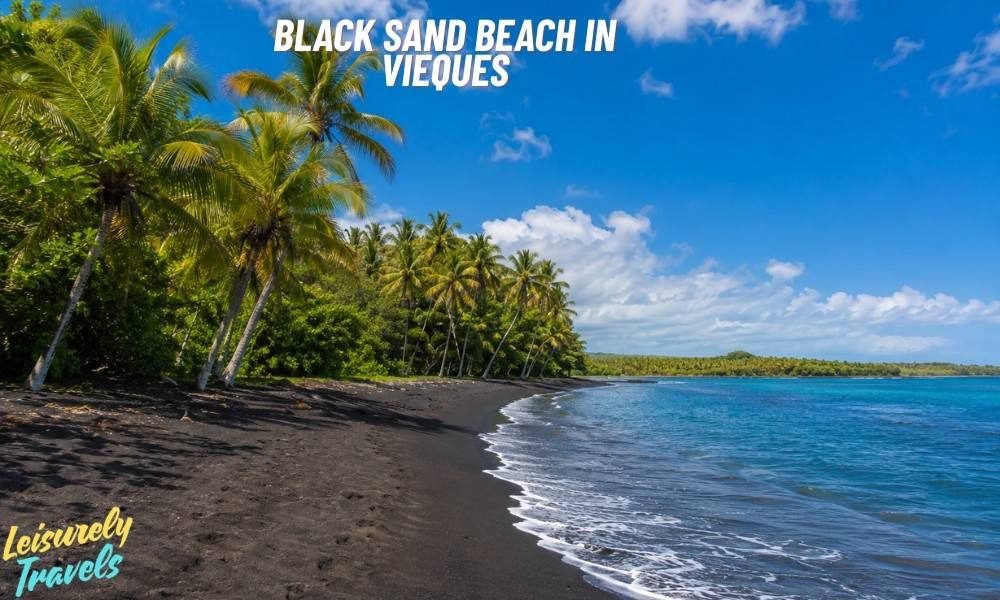
Puerto Rico holds a few black sand beaches, but Playa Negra stands out as the most striking and most photographed, known for having the darkest sand around. It isn’t known for calm waters travelers come mainly for the black sand and the sweeping cliffs surrounding it.
For anyone drawn to bio bays, black sand beaches, and beaches without heavy crowds, Vieques is worth building into any things to do in Puerto Rico itinerary.
Puerto Rican Food to Try
Any foodie visiting Puerto Rico should prioritize the local delicacies it’s honestly half the reason to come.
Mofongo, a must-try at spots like Barrachina Restaurant, tops the list: deep-fried plantains mashed together with a choice of protein. Tostones deserve a mention too just fried plantains, but absurdly good.
Pasteles bring something different: masa stuffed with meat, wrapped in a banana leaf. Empanadillas follow a similar idea, closer to an empanada but with a thinner dough.
For dessert, Tembleque stands out a rich coconut pudding topped with cinnamon, simple but memorable. Sorullitos are cigar-shaped fritters made from cornmeal, usually stuffed with cheese.
Then there’s Mamposteao, a rice dish built on olive oil, tomato sauce, onions, green peppers, beans, cilantro, and a mix of seasonings. These are just a few highlights among the best things to do in Puerto Rico for food lovers — there’s plenty more worth trying on the island.
A Suggested 5-Day Puerto Rico Itinerary
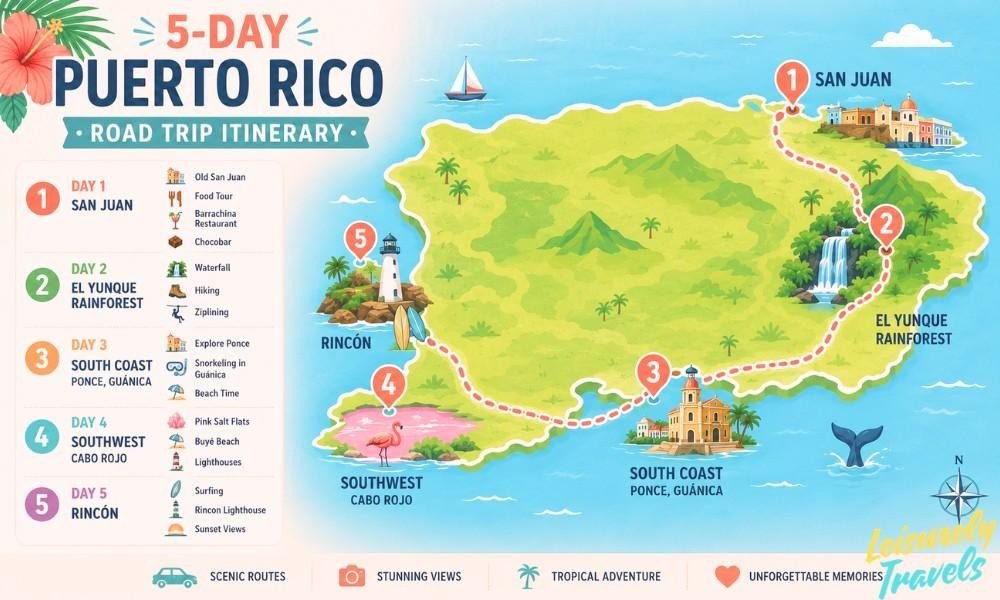
Five days covers a real mix of the best things to do in Puerto Rico, without rushing every stop.
Day 1: San Juan. Start in Old San Juan, book a food tour, and fit in a stop at Barrachina Restaurant and Chocobar.
Day 2: El Yunque. Head into the rainforest for a hike, a waterfall or two, and ziplining for those up for it.
Day 3: The South Coast. Wander Ponce in the morning, then head to Guánica for an afternoon of snorkeling.
Day 4: The Southwest. Catch the Cabo Rojo pink salt flats, then swing by Buyé Beach and the nearby lighthouses before sunset.
Day 5: Rincón. Close things out on the west coast with surfing at The Domes, then a sunset stop at Rincon Lighthouse.
For trips stretching beyond five days, adding a bio bay night tour or a day trip to Culebra or Vieques rounds things out well. Planning the driving between stops? Our fuel cost calculator can help budget for it before renting a car.
Where to Stay
Where to Stay in Puerto Rico

San Juan, the Hotel Condado Vanderbilt is a strong option gorgeous coastal views paired with a short drive to the center of the city make it a solid luxury pick. For something more beachy and relaxed, the Copamarina Beach Resort & Spa, on the southwest part of the island, is a popular alternative.
For travelers wanting more character than a standard hotel, The Gallery Inn in Old San Juan is a boutique stay built inside a 450-year-old historic building. It sits right on the water with true beachfront property, and snorkeling and scuba boat tours are available directly from the property.
Best Place to Stay Along Puerto Rico’s West Coast

On the west coast, the Rincon of the Seas Grand Caribbean Hotel is a well-located option, known for its proximity to nearby attractions. It combines comfort with convenience, with ocean views and beachfront access good for snorkeling straight from the property.
The hotel also offers a spacious pool with a swim-up bar, serving affordable piña coladas through the day, though the food itself tends to land closer to mid-tier. Nearby, a bakery called Sunset Bakery is worth seeking out its Mallorca breakfast sandwich is a local favorite.
Rooms lean bright and airy, with tropical accents and nautical touches. One thing to note: humidity in the area can be noticeable, so a room with good dehumidifying is worth requesting.
What to Pack
Packing works better around a mix of activities rather than one fixed idea. Beach essentials matter, but so do comfortable walking shoes both come up often across the best things to do in Puerto Rico.
A small daypack with water and snacks helps during sightseeing stops, trails, or spontaneous beach detours. For anything else, the site’s packing guides cover everything from beach essentials to carry-on picks.
Know Before You Go
An important note before planning: Puerto Rico is US territory, which means no passport is required for United States citizens and permanent residents.
It’s one less thing to worry about, and part of what makes this island such an easy first trip for anyone still building travel confidence.
FAQS
No. Puerto Rico is US territory, so no passport is required for United States citizens and permanent residents.
Yes, overall it’s considered safe. The main thing to watch is rip currents at certain beaches always check posted flags before swimming.
Five days covers the highlights comfortably. Ten days lets you slow down and explore beyond the obvious stops, including day trips to Vieques or Culebra.
San Juan works well for first-time visitors and nightlife. The west coast, around Rincón, suits travelers chasing beaches and surf.
Yes, all three bio bays are open year-round, though a moonless night usually gives the brightest glow.
Final Thoughts
Puerto Rico brings something new at every stop, from the streets of Old San Juan to a night swim under glowing water. It’s the kind of island that rewards slowing down.
Whatever pulls travelers here first, chances are they’ll be planning a return trip before they’ve even left.
