Introduction
Starting a Europe trip in Switzerland feels calm and exciting. My first travel experience here taught me smart planning matters. A well-balanced 5-day itinerary helps manage time and budget wisely. It suits solo travel and couples wanting smooth, scenic exploration.
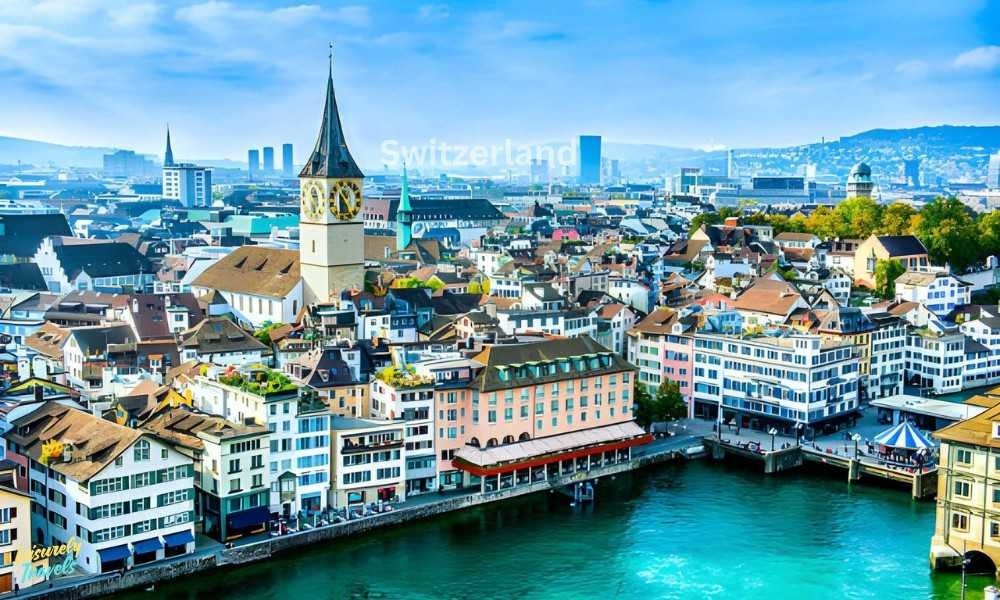
You will notice clean cities, peaceful old towns, and vibrant culture. Different languages add charm, but English works almost everywhere. Start in Zurich, a lively city with culture and modern comfort. Then head to Lucerne, known for its calm lake views.
Walk across the wooden bridge with historic 15th-century paintings displayed. Nearby, explore a historic fortress and enjoy peaceful surroundings. Food here is unforgettable, especially rich cheese and smooth chocolate. Every bite feels like part of the Swiss cultural experience.
Visit Interlaken, a base for adventure and stunning viewpoints. From there, explore Lauterbrunnen, full of waterfalls and raw scenery. Take a cable car for breathtaking views of the snowy Alps. Clear weather in summer gives the best mountain visibility.
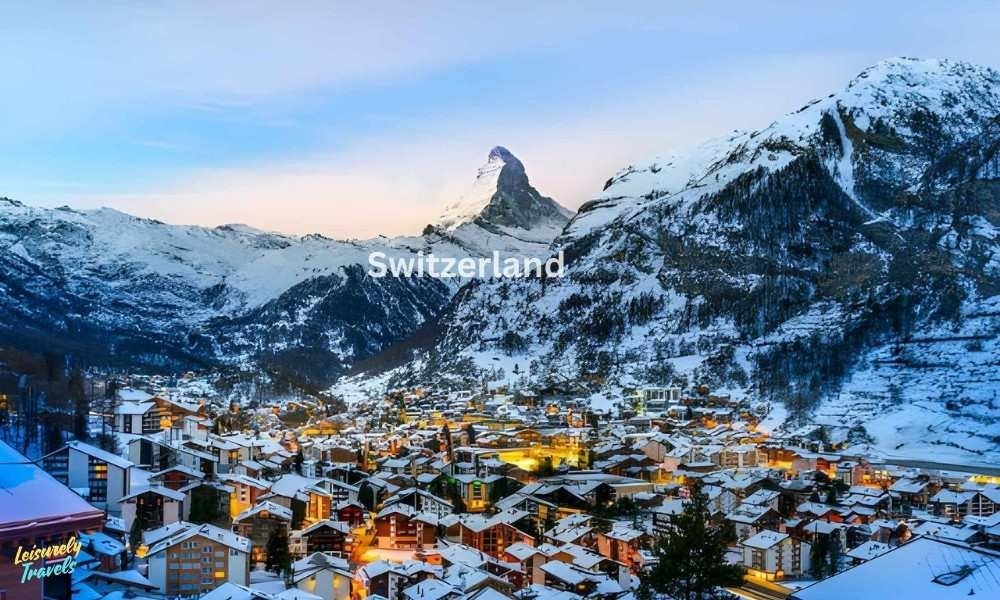
Seeing the Matterhorn in person feels surreal and unforgettable. This region blends wild nature with touches of alpine luxury.
Things to Know about Visiting Switzerland for the First Time
When I was heading to Switzerland, I had lots of questions. These questions made me curious but also slightly nervous. I wondered how I would get around during my trip. Should I use a train or try something else instead?
The local German language seemed hard at first glance. But luckily, people helped me understand things quite easily. There is a whole lot to explore in Switzerland daily. Each moment brings something new that you never expected.
It turns out travel here feels smoother than you imagine. And apparently, even first-time visitors adjust very quickly.
Is 5 days enough to visit Switzerland?
Many people ask if five days are enough for Switzerland. From my experience, a smart 5-day itinerary makes it possible. You will not see everything built over 200 years of history. But you can still explore the highlights without feeling rushed.
In these travel days, I covered four cities comfortably. Each stop included nearby towns and stunning natural spots. The changing landscapes kept every journey fresh and exciting. Mountains, lakes, and streets offered something new each day.
Instead of rushing, focus on what you truly want to taste. Slow moments made my trip feel deeper and more meaningful. Even with limited time, Switzerland leaves a strong impression. You return home feeling fulfilled, not tired or overwhelmed.
Where should I land in Switzerland for a 5-day trip?
By Airplane
Flying into Switzerland is the fastest and most comfortable option. I usually recommend landing in Zurich for better connections. Another good choice is Geneva, especially for western regions. Both cities have modern airports with smooth arrival processes.
National carrier SWISS offers excellent service and reliable schedules. It connects well across Europe with premium comfort onboard. If you prefer budget travel, options like easyJet work well. Airlines such as Vueling, Eurowings, and Pegasus are also affordable.
Many flights operate under the Star Alliance network worldwide. This makes connections easier if you travel from distant countries.
Most flights arrive on time, making planning very convenient. From airports, trains quickly connect you to major Swiss cities. I found arrivals very organized, even during busy travel seasons. This smooth start sets the tone for your full Swiss itinerary.
By Train
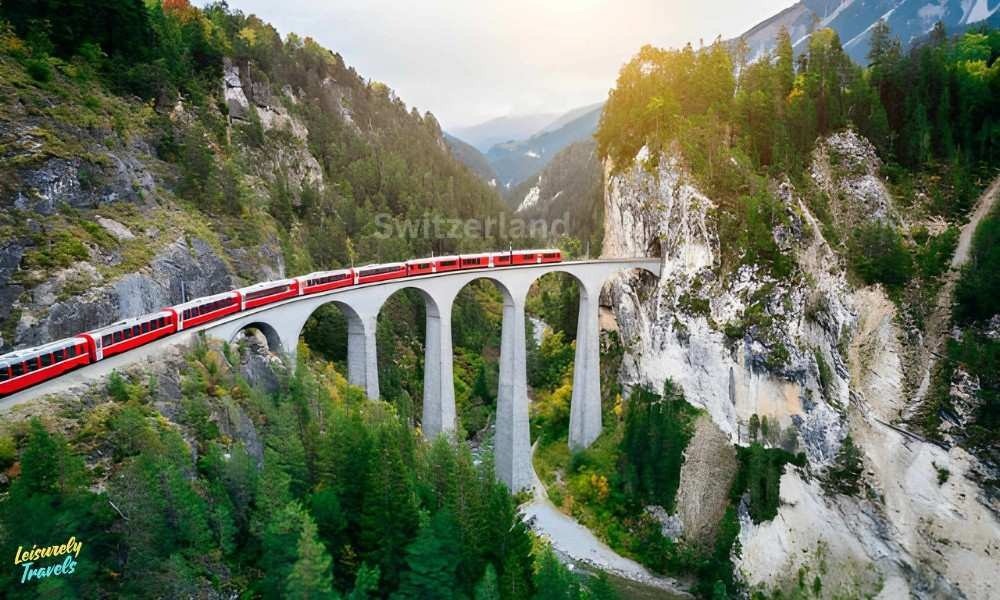
Using a train to enter Switzerland feels smooth and scenic. I found rail travel across Europe surprisingly comfortable and efficient. There are many direct trains connecting nearby countries easily. You can travel from France, Germany, Italy, and Austria without stress.
Routes also connect cities like Amsterdam, Budapest, and Prague. These journeys show changing landscapes across different European regions. Sometimes, you may need changing trains during longer routes. But transfers are simple, with clear signs and helpful staff.
I prefer trains because they save time and reduce airport hassle. Arrivals are central, making it easier to start exploring immediately. In Switzerland, train journeys feel like part of the experience. Every ride offers views that feel calm and truly unforgettable.
By car
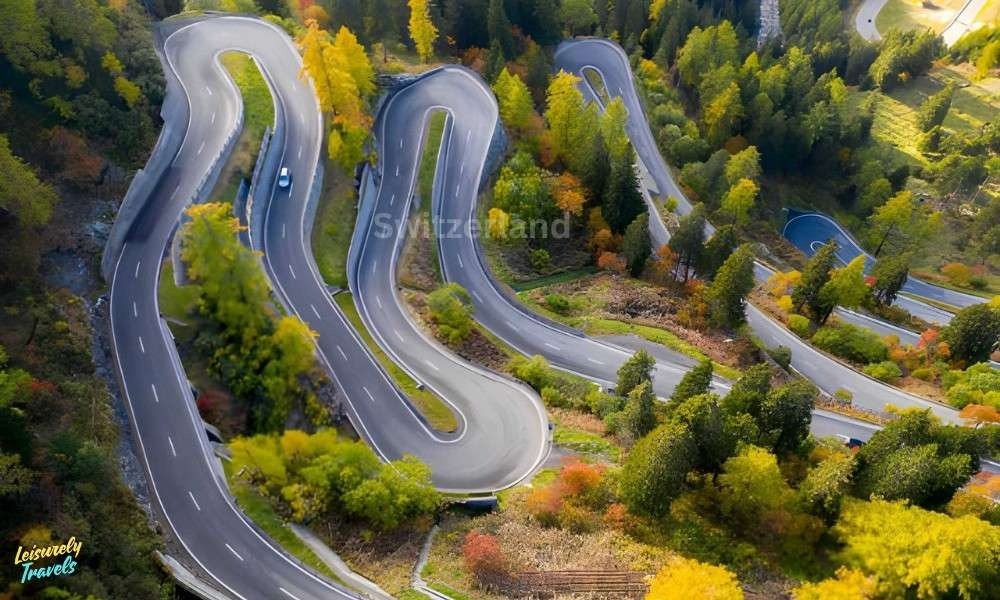
Exploring Switzerland by car offers unmatched freedom and flexibility. I enjoyed road tripping across Europe without strict travel schedules. You can easily drive from France, Germany, Austria, or Italy. Routes from Paris, Munich, and Milan feel smooth and scenic.
Carry your valid driver’s license along with an IDP. Most locals understand English, so communication stays simple throughout. I planned stops carefully, especially near Zurich and St. Moritz. Booking accommodation early helped avoid last-minute travel stress.
Driving through mountain villages feels peaceful and visually rewarding. However, some places are fully car-free, which surprised me initially. In Zermatt, you must switch from car to train access. From there, an electric cab takes you to your hotel easily.
A car works best for flexible routes and hidden scenic stops. It lets you pause anytime and enjoy quiet landscapes deeply. Still, combining driving with train travel improves overall convenience. This balance made my Swiss journey smoother and more enjoyable.
Best way to travel around Switzerland
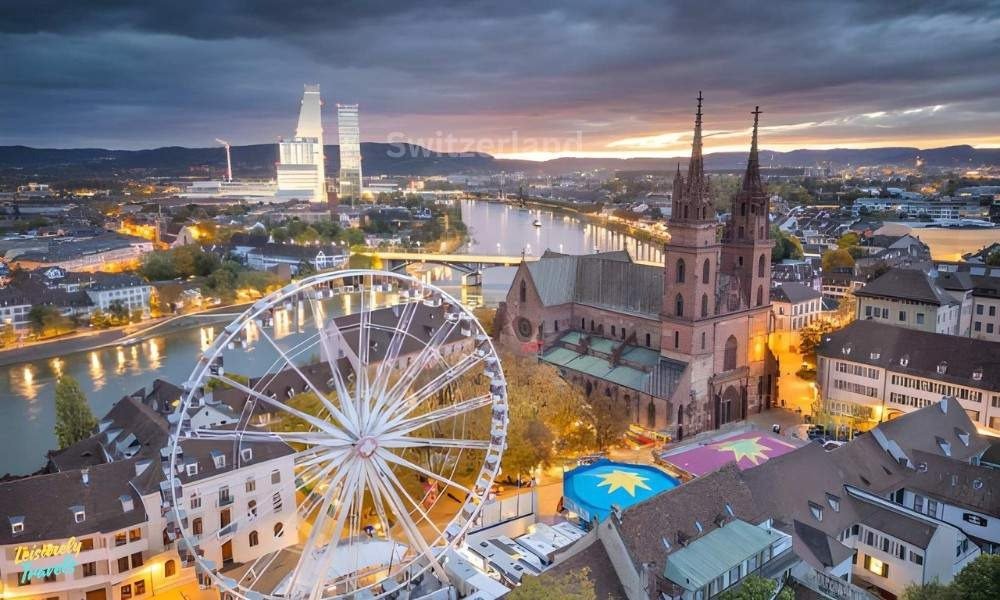
The best way to travel around Switzerland is by train. The country has a brilliant rail network that feels very reliable. I noticed how the rail network connects almost every key place. Even small areas feel well connected to major travel routes.
You can travel between main cities and top tourist locations easily. Frequent regional trains run on time and offer smooth journeys. Special panorama trains give wide views of mountains and valleys. These tourist trains make the journey itself feel unforgettable.
For higher regions, use scenic mountain railways across the Alps. They take you to places where roads cannot easily reach. I found this system simple, even for first-time visitors. It made exploring Switzerland feel effortless and enjoyable.
Swiss Half Fare Card
The Swiss Half Fare Card works best with an exact itinerary planned. It gives flexibility while keeping your travel costs under control. I found this travel pass offered the best value overall. It truly provides great value for money during a short trip.
With this fare card, you pay half price on most routes. This includes trains, buses, boats, and full public transport access. It also applies to scenic mountain excursions across the country. Trips to Jungfraujoch or Grindelwald become more affordable easily.
You can combine it in conjunction with other regional passes. For example, pairing with the Jungfrau Travel Pass works very well. This setup covers your full itinerary without overspending anywhere. It also gives access to loads more routes across Switzerland.
I used this card for almost every type of transport daily. It made planning simple and removed stress from ticket decisions. If your plan is clear, this card becomes extremely useful. It helps balance comfort, cost, and convenience during your trip.
Swiss Travel Pass
The Swiss Travel Pass is part of the Swiss Travel System network. It offers unlimited access across most public routes in the country. You can use trains, buses, and boats without buying separate tickets. This makes public transport across cities, towns, and villages very simple.
The pass also gives 50% off many types of mountain transport. This includes cogwheel trains and scenic cable car rides. You can even enter over 500 museums without extra cost. I used this benefit often while exploring cultural spots.
Famous panorama trains like the Glacier Express are included. The Bernina Express route connects St. Moritz to Italy beautifully. For these rides, a seat reservation is usually required in advance. Planning ahead helps secure the best scenic seats easily.
You can select consecutive days for a continuous travel experience. Or choose a flex pass to spread journeys across selected travel days. This works well for mixing rest days with active exploration. It suits both short trips and longer trips across regions.
I used it mostly on inter-city trains during my trip. It saved time and made longer trips feel smooth and relaxed. Not worrying about tickets made travel feel more enjoyable. It allowed me to focus more on views and experiences.
Is Switzerland’s weather unpredictable?
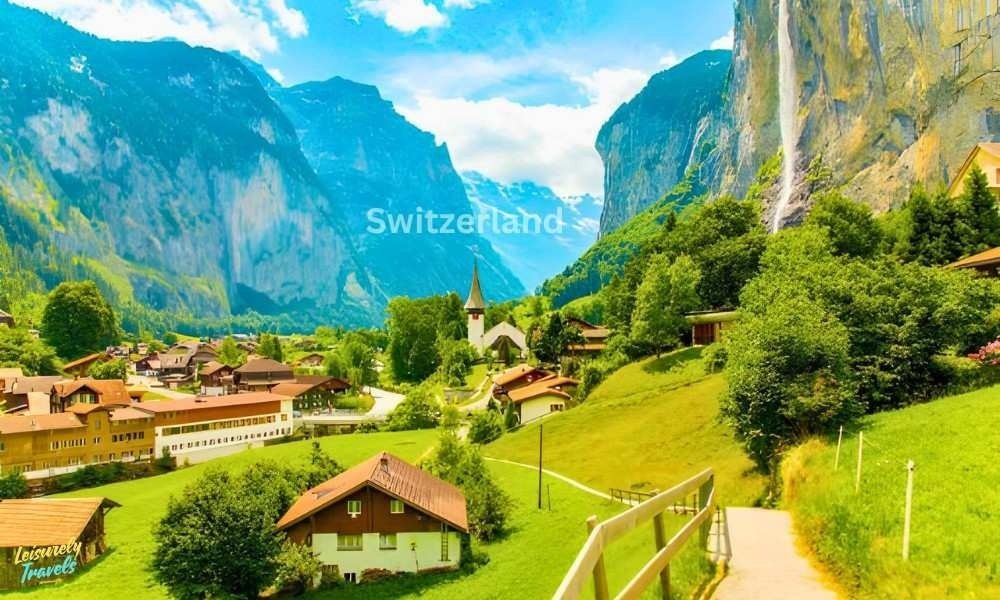
The weather in Switzerland can feel truly unpredictable sometimes. Different seasons bring unique moods across stunning alpine landscapes. The overall climate changes quickly, especially near high mountains. I always checked forecasts before planning outdoor activities each day.
- Summer : During summer, especially June-August, days are mostly warm and sunny. However, sudden thunderstorms can appear without much warning. I always carried a light jumper and a small raincoat. This simple habit saved me from unexpected weather shifts often.
- Autumn : In autumn, from September to November temperatures feel mild yet slightly chilly. Golden leaves cover valleys, creating peaceful scenic moments.
- Winter : During winter, from December to February heavy snow transforms the country. This season boosts tourism, especially around famous ski resorts.
- Spring : Between March, April, and May, spring slowly changes the scenery. You notice longer days and fresh air across open valleys. The melting snow reveals green fields and flowing streams. I loved seeing cows return to quiet mountain pastures.
Keep in mind that altitude affects temperature more than expected. Higher areas stay colder even when cities feel pleasantly warm.
Best time to visit Switzerland
The busy seasons in Switzerland can affect your overall experience. I noticed how summer tourism brings energy but also large crowds. During July and August, many arrive for summer holidays. Cities feel busy, especially in hot cities and humid cities.
Most travelers escape toward cooler mountains during peak heat. Prices rise, and finding good accommodation becomes more difficult.
I personally prefer quieter periods with cheaper prices and fewer crowds. These moments feel more relaxed and easier for exploration. The shoulder seasons like May and mid-June are perfect. Also, September and October offer calm travel conditions.
You enjoy mild temperatures and great hiking conditions everywhere. Nature feels peaceful, and popular spots are less crowded.
For winter adventures, plan between January and March ideally. This is when most ski resorts operate at full capacity.
In December, there can be a delayed ski season sometimes. Low snowfall may affect skiing until around mid-January. I learned early planning helps secure better stays and transport. Always consider early booking during peak travel periods.
What languages are spoken in Switzerland?
The languages spoken in Switzerland can surprise first-time visitors. The Swiss people are rarely monolingual, which helps travelers a lot. The main languages include German, French and Romansch. Each region uses its own local language in daily life. Each one reflects the history and identity of its specific region.
Switzerland is also considered one of the best babymoon destinations, depending on the month of the year.
In most areas, locals speak Swiss German, which sounds unique. These dialects can feel confusing, even if you know standard German. I struggled at first, especially with the strong local accent. But over time, listening carefully helped me understand basic conversations.
In tourist areas, many people speak clear English comfortably. This made my travel experience much easier and less stressful. Hotels and restaurants make communication easy for visitors.
At any hotel, simple words like hello and goodbye help. Saying please and thank you always leaves a good impression.
In regions like Graubünden, you may hear more rare languages. It feels special to experience such diversity in one country.
Which is better: the Half Fare Card or the Swiss Travel Pass?
Deciding between the Half Fare Card and Swiss Travel Pass depends on your style. I learned this choice shapes your whole experience of exploring Switzerland.
- Half Fare Card: If you have an exact itinerary, the Half Fare Card works well. It helps you save money when booking point-to-point tickets. This option suits flexible plans and short city breaks easily.
You pay less on mountain excursions and daily travel routes. I used it during a three-day trip with planned stops. It gave me control while keeping costs lower overall. - Swiss Travel Pass: The Swiss Travel Pass is better for unlimited movement daily. It suits travelers covering many places in four days or more. You can enjoy panoramic train trips without booking each ticket. It also supports big journeys like the epic Grand Train Tour.
The right pass depends on how often you travel daily. If you move a lot, it becomes the best deal quickly. For slower travel, the Half Fare Card feels more practical. I suggest comparing both based on your daily travel needs.
Planning Your Budget for Five Days
Managing your budget for five days in Switzerland needs smart choices. While visiting Switzerland, costs can quickly impact your wallet. It may seem like the trip will break the bank easily. But with planning, you can enjoy without living the high life.
Accommodation takes a big share, especially for hotel rooms. Dining out daily on fancy dinners can increase your costs fast. Trips to mountain viewpoints also add to your total spend. These experiences are worth it, but plan them carefully.
I stayed in hostels and sometimes chose budget hotels. This helped me control costs without losing comfort. Trying self-catering instead of eating out saved money daily. Simple meals worked well during long travel days.
There are many free hiking opportunities across scenic areas. These moments felt just as rewarding as paid attractions. Using rail pass discounts helped reduce transport expenses.
Overall, the trip can still feel affordable with smart planning.
Food
Managing food during your trip depends on your budget choices. I balanced eating out with cooking in my kitchen at the accommodation. Simple meals like pasta, rice, and noodles worked very well. Buying from supermarkets helped keep daily costs under control.
I often picked fresh fruit, crackers, and soft bread rolls. Quick options like pastries and juice were easy morning choices. For longer days, I carried snacks like muesli bars. I also packed sandwiches and light salads for travel breaks.
Dining at a restaurant can cost around 25-35CHF for a main. Sometimes, meals reached up to 50CHF in nicer places. If you include alcohol, prices increase quickly in most places. A beer or wine usually costs about 6/7CHF in bars.
I spent around 100-120CHF on food across five days. Mixing cooking and dining out helped keep things balanced. This approach made eating enjoyable without overspending daily. It allowed me to enjoy local flavors while staying within limits.
5-day Switzerland itinerary
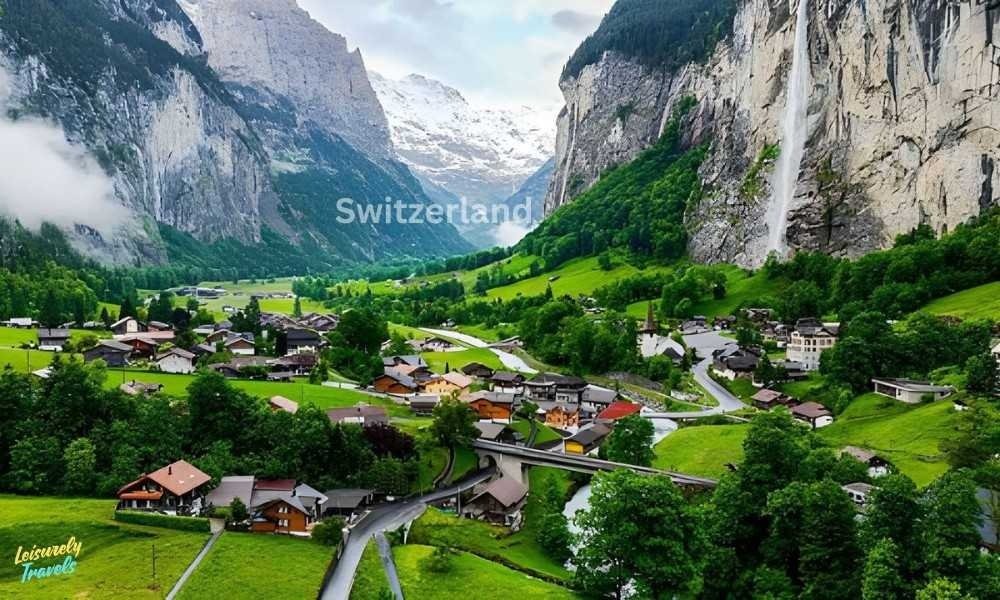
This 5-day Switzerland itinerary is ideal for fast-paced travelers. It helps you make the most of each day without wasting time. You will be constantly moving around, exploring new places daily. This style suits travelers who enjoy variety and active schedules.
The Switzerland itinerary focuses on diverse landscapes and rich nature. You will see mountains, lakes, and charming towns in a short time. It also includes short city breaks with cultural highlights. I enjoyed visiting museums between outdoor experiences for balance.
This plan is best suited for travelers who enjoy quick exploration. It works well if you prefer action over slow, relaxed travel days. From my experience, it feels exciting but slightly demanding. Still, the rewards make every moment worth the effort.
Day One: From Zurich to Interlaken
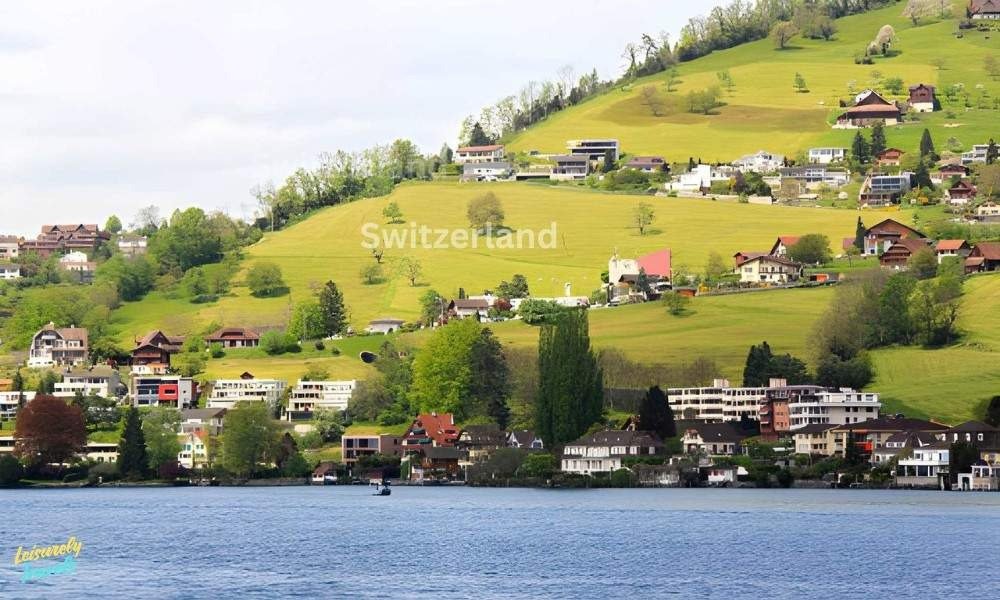
On Day one, I started in Zurich, a beautiful city in Switzerland. Since time was short in five days, I made priority stops only. After arriving, I planned a quick rundown before heading straight onward. This helped me begin my Switzerland adventure without wasting time.
The city feels cute with colorful buildings across the Old Town. Walking through Aldstadt, I enjoyed every corner while I wandered. From Lindenhof Square, I saw an incredible view of the river. This moment felt calm before continuing the journey ahead.
I visited Grossmünster, known for its stained glass windows. There are many museums, but exploring all takes lots of time. Zurich can feel expensive and slightly commercialized for some travelers. Still, it remains a stunning start to exploring the country.
I stopped for Swiss chocolate from famous chocolatiers nearby. The Lindt Home of Chocolate felt like a must-visit experience. For something unique, I explored the B2 Hotel with its library. This magnificent library is a real bucket list place for book lovers.
Soon, it was time to leave and head to Interlaken. Deciding whether to stay in Zurich was the hardest part. The train ride felt smooth, with views slowly becoming more scenic. It was the perfect transition into the heart of Switzerland.
Fastest route from Zurich to Interlaken
Traveling from Zurich to Interlaken is smooth and well organized. I found the route easy, even on my first visit. There are direct trains running every two hours daily. These are simple options if you prefer fewer connections.
You can also take routes with one train change in Bern. These options run more often throughout the day. This route usually takes less than two hours overall. I preferred this option because it saved valuable travel time.
Swiss trains are punctual, clean, and very comfortable. Even with a train change, transfers feel quick and stress-free. The scenery improves as you move closer to Interlaken. It feels like the journey itself becomes part of the experience.
Fastest route from Geneva to Interlaken
If you are arriving in Geneva, reaching Interlaken is very simple. I found the route comfortable and easy to follow. The trip usually involves a two-train journey with a short stop. Most connections happen in Bern, which is well organized.
The total travel time is around 2h 45m on faster routes. Sometimes, it can extend close to three hours overall. This train journey feels smooth, with scenic views along the way. Transfers are quick, making the journey feel stress-free and efficient.
I enjoyed this route more than expected during my trip. The changing landscapes made the ride feel short and relaxing. Even with one stop, the journey felt easy and well planned. It was a great start to exploring central Switzerland’s regions.
About Interlaken
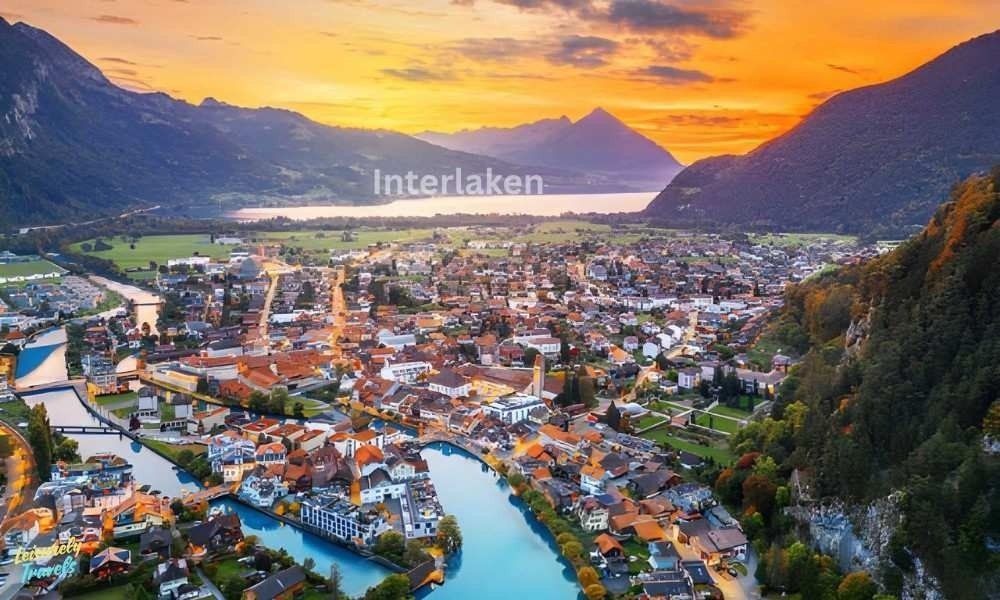
Interlaken is known as the Adventure Capital of Europe for good reason. The town has a lively vibe that reminds me of Queenstown, New Zealand. Set between two stunning lakes, it feels both calm and exciting. This balance makes it a top destination in Europe for explorers.
You can kayak on clear waters or explore scenic walking trails. I loved going for a peaceful hike with mountain views all around. In winter, nearby slopes attract travelers looking to ski. For thrill seekers, you can even paraglide above the valley.
The surrounding peaks offer incredible views from every summit. These moments truly define the region’s famous outdoor adventures. While traveling, I found it easy to sightsee without stress. Using a bus or boat made exploring nearby spots very simple.
There are many routes to an easy-to-reach viewpoint nearby. Each one offers an impressive look at mountains and lakes together. From my experience, Interlaken feels like a perfect base location. It connects adventure with comfort in a very natural way.
Experiences You Should Not Miss in Interlaken
In Interlaken, adventure blends perfectly with peaceful natural scenery. I found activities here exciting yet easy to plan daily.
- My favorite was paragliding, offering unmatched views over valleys below. It felt calm at first, then suddenly full of excitement.
- Take the funicular up to Harder Kulm for stunning sights. This famous viewpoint sits high at 1322m above ground. From here, you see lakes and mountains in one frame. It quickly became one of my most memorable moments.
- If you enjoy thrills, try a bungee jump or canyon swing. You can also skydive over valleys for a true rush.
- Water adventures include jetboating, rafting, and exciting canyoning trips. Each activity gives a different kind of outdoor thrill.
- For calm moments, visit Lake Thun or Lake Brienz. I enjoyed a quiet kayak ride across crystal-clear water.
- Nearby, explore the beautiful Giessbach Falls for natural scenery.
- During winter, the region becomes perfect for snow fun. You can ski, snowboard, or enjoy relaxing sledding routes.
- I also tried snowshoeing, which felt quiet and refreshing. Each activity offers a unique way to explore snowy landscapes.
Where to Stay in Interlaken
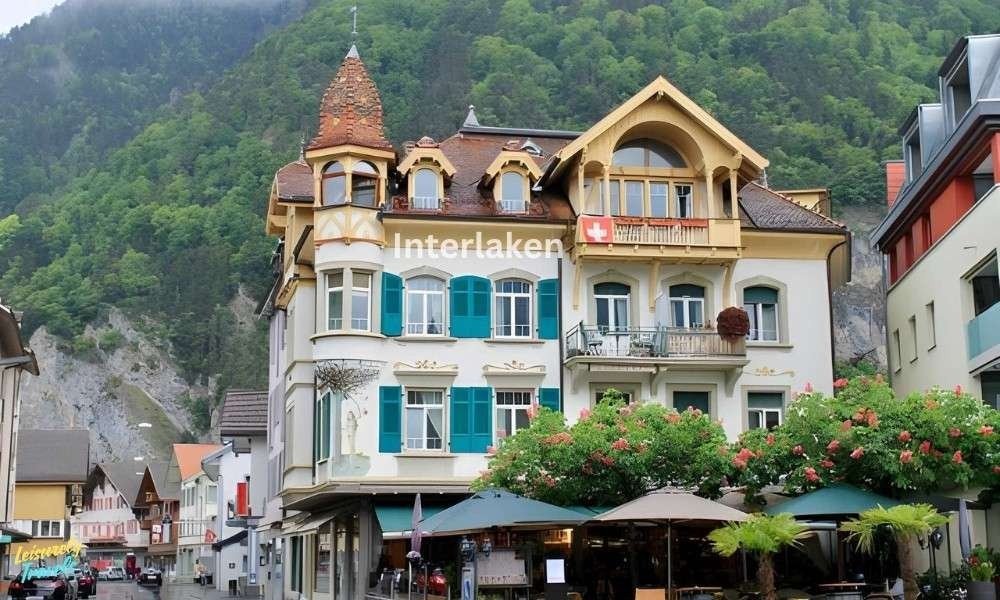
Finding the right place in Interlaken depends on your budget. I tried a few options and found great value in simple stays. For budget travelers, Backpackers Villa Sonnenhof is a great choice. It offers both dorm and comfortable private room options.
This place includes a shared guest kitchen for easy meals. There is also a useful co-working space for remote work needs. Another solid option is the Interlaken Youth Hostel nearby. It feels clean, social, and perfect for meeting other travelers.
Day two: Lauterbrunnen day trip
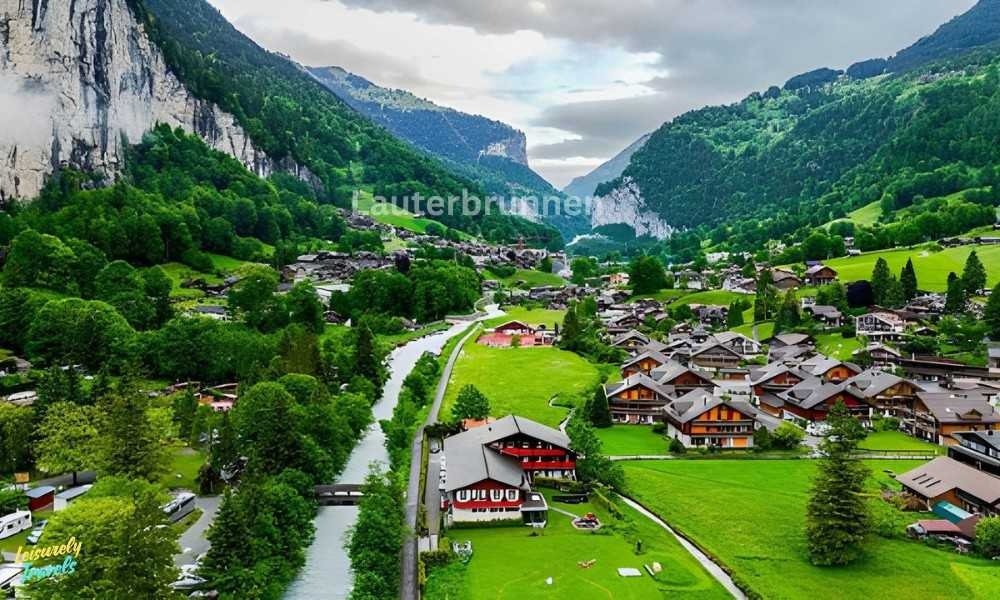
On Day two, I took a relaxing day trip to Lauterbrunnen. It felt like a peaceful break within my busy Switzerland itinerary. The journey was short, yet filled with beautiful scenery throughout. I remember feeling excited even before reaching the destination.
Best way to travel from Interlaken to Lauterbrunnen
Getting from Interlaken to Lauterbrunnen is very simple and fast. I found this travel route one of the easiest in Switzerland. You can take a short train directly from Interlaken Ost station. The 20-minute train ride feels smooth and very scenic.
The train departs frequently from the main station. You do not need to worry much about timing or delays.
About Lauterbrunnen
Lauterbrunnen is a peaceful valley village surrounded by towering mountains. From my first visit, it felt truly picturesque and calm. Traditional alpine chalets sit quietly beneath steep rocky cliffs. This setting makes the village feel untouched and naturally beautiful.
The area is famous for its many flowing waterfall views. There are about 71 waterfalls scattered across the valley. I could hear water rushing even while walking through town. It added a peaceful rhythm to the entire experience.
Early sunrise brings soft light across the entire valley. In the evening, sunset creates warm tones and calm scenes. The dramatic lighting during these moments feels truly magical. I found these times perfect for photos and quiet reflection.
Experiences You Should Not Miss In Lauterbrunnen
In Lauterbrunnen, there are many peaceful and scenic places to explore. This area is known as the Valley of 72 Waterfalls for a reason.
- Start with Staubbach Falls, one of the most iconic sights. Then visit Trümmelbach Falls, hidden inside the mountain cliffs.
- The local church near the valley adds a quiet charm. Nearby, visit Wengen for views and peaceful surroundings.
- Take a cable ride to Grütschalp and continue to Mürren. These mountain villages offer calm streets and stunning landscapes.
- Fans of James Bond can visit Piz Gloria on Schilthorn. This location was featured in 1969 and sits at 2970m.
- From here, you can see Mönch, Eiger, and Jungfrau peaks. The Bond Cinema shares scenes from the famous movie.
- Try the Birg Thrill Walk for a unique cliffside experience. It adds excitement while enjoying mountain views safely.
- There are many hikes connecting waterfalls and scenic routes. Exploring these waterfalls made my visit feel truly unforgettable.
Where to Stay in Lauterbrunnen
Deciding whether to stay in Lauterbrunnen depends on your travel style. I considered it carefully while planning my overall route. Spending two nights here feels peaceful and slow-paced. It suits travelers who enjoy quiet mornings and scenic surroundings.
Nearby places like Mürren, Wengen, and Grindelwald offer great alternatives. Each location has a slightly different vibe and experience.
I noticed Wengen feels calm, while Grindelwald feels more lively. Mürren offers stunning views with fewer crowds overall.
Many travelers prefer Interlaken as their main base. It works well for easy day trips to all nearby areas. From there, you can visit Lauterbrunnen without changing hotels. This saves effort, especially when managing heavy luggage.
Day three: Jungfraujoch day trip
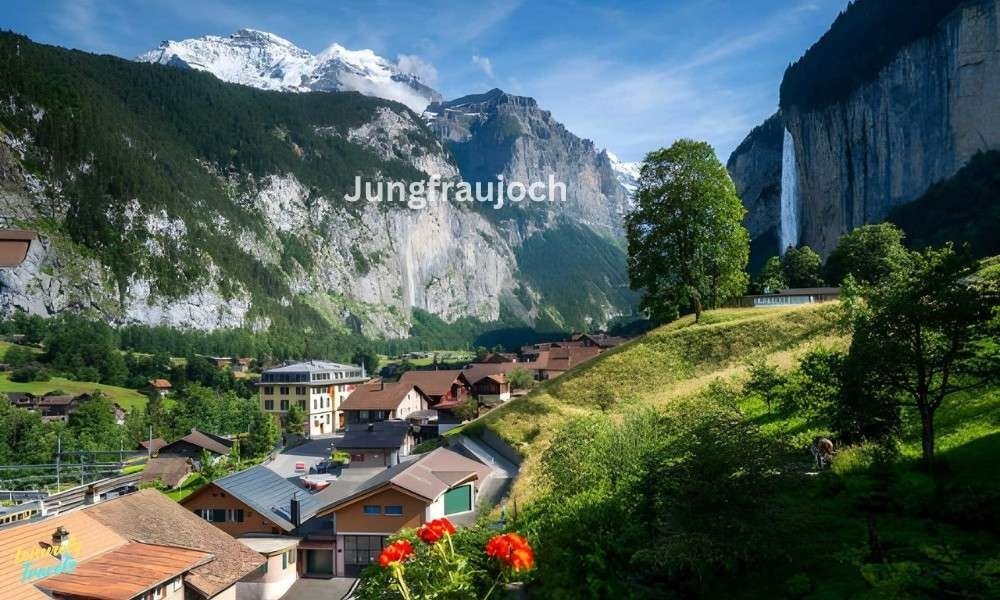
On Day three, I planned a scenic day trip to Jungfraujoch. This stop is a highlight of five days in Switzerland. Known as the Top of Europe, it feels truly unforgettable. The journey itself becomes part of the full experience.
Reaching Jungfraujoch feels like entering another world entirely. Snow-covered views stretch endlessly across the Swiss landscape. This part of Switzerland feels calm, quiet, and surreal. I remember standing there, simply taking in the moment.
Reaching Jungfraujoch the Right Way
You can visit Jungfraujoch by group tour or travel independently. I preferred going solo to enjoy flexibility during the journey. The route includes a mix of trains and modern gondolas. Both options offer scenic views throughout the entire ride.
The fastest way takes around 1h 30m from nearby areas. Start from Grindelwald using the Eiger Express gondola. This 15-minute journey reaches Eiger Glacier Station quickly. From there, board the Jungfrau Railway through mountain tunnels.
You finally arrive at the Top of Europe train station. Booking Jungfrau tickets early helps avoid last-minute stress.
The Swiss Travel Pass offers partial coverage for this route. The Half Fare Card decreases costs for expensive mountain rides.
I compared both options before choosing what suited my plan. It made the trip more cost-efficient overall.
For a traditional experience, take the Wengenalp Railway route. Start from Lauterbrunnen and pass through scenic mountain paths. Change at Kleine Scheidegg Station before continuing upward. This route takes about 90 minutes but feels more relaxed.
If starting in Interlaken, expect around 1h 50m total travel. The final section includes a short 20-minute steep train ride.
From my experience, both routes offer different unique moments. Choosing depends on speed or scenic preference during your journey.
About Jungfraujoch
Visiting Jungfraujoch feels like reaching the heart of the Jungfrau region. It sits high within the Bernese Alps, surrounded by massive, highest peaks. From here, you can see deep valleys and snowy ridges everywhere. The height reaches around 4100m, making it truly special.
It is called the Top of Europe but is not the tallest in Europe. That title belongs to Mount Elbrus at 5642m. Nearby, Monte Rosa stands at 4634m as Switzerland’s highest peak. Also, Finsteraarhorn at 4274 m is the tallest in the Bernese Alps.
Today, it is a major touristy attraction across Switzerland. Many travelers add it to their Europe bucket list experiences.
The journey combines views, history, and a unique mountain setting. This iconic railway station remains one of Europe’s top attraction spots.
Day four: Interlaken to Zermatt
Fastest route from Interlaken to Zermatt
Traveling from Interlaken to Zermatt is an easy train journey. I found the route simple, even with a few transfers. There are usually two changes, but everything feels well organized. The total time is around 2h 15m, depending on connections.
First, take a 22m train from Interlaken to Spiez. Then board the Spiez-Visp train, which takes about 26m. From Visp, catch the Visp-Zermatt train for 1h 6m. This final stretch offers some of the best mountain views.
Trains run constantly throughout the day, so no stress. Most routes operate every half an hour or even more often.
Even with multiple changes, the train journey feels relaxing. From my experience, it never felt rushed or complicated at all.
About Zermatt
Zermatt is the most famous place in Switzerland. It is known for its iconic winter resorts and peaceful mountain setting. This winter resort feels lively but still calm and charming. I found it perfect to visit during any season.
You can come here at any time of the year easily. Each season offers a different and beautiful experience.
- In summer, there are incredible hiking opportunities across the region. Trails open up with fresh air and wide mountain views.
- During autumn, the landscape shows deep and vibrant colors. It feels quieter and more relaxed compared to busy months.
- In spring, wildflowers start blooming across the hills. The green alpine meadows look fresh and full of life.
Experiences You Should Not Miss in Zermatt
In Zermatt, there are many exciting and relaxing things to try. The town feels like a charming car-free village best explored on foot.
- During winter, you can ski or snowboard on wide slopes. Evenings are lively with cozy apres-ski spots across the village.
- I enjoyed a warm fondue dinner at Hotel ZERMAMA one evening. They offer in-room fondue seats for a fun and cozy night. It felt like a simple DIY experience with a cheesy dinner. This became one of my favorite moments during the trip.
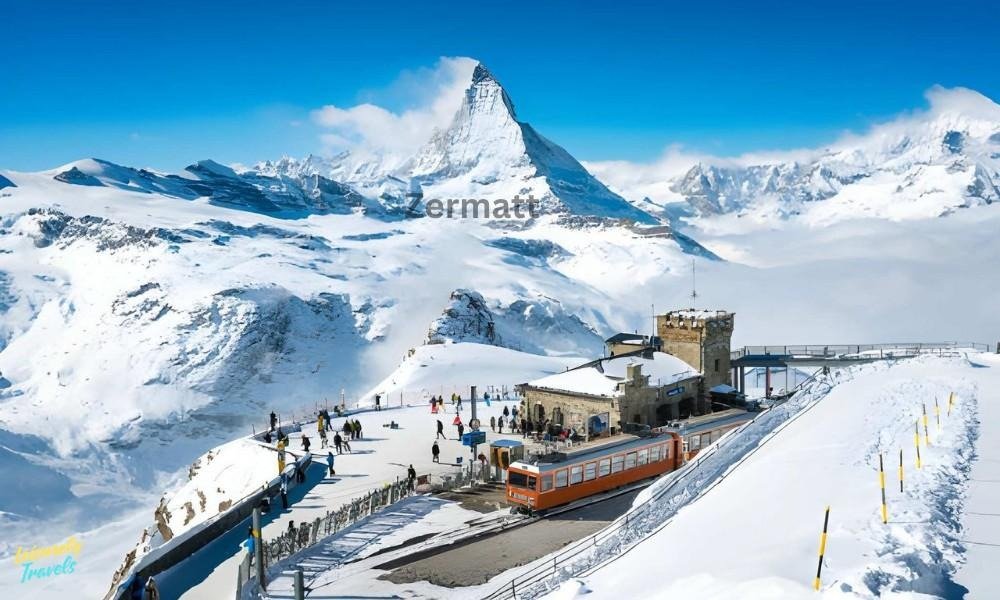
- Take the Gornergratbahn, a scenic mountain train to Gornergrat. The ride offers an incredible view of the famous Matterhorn. Sit on the right-hand side for the best views possible. You will see stunning peaks and deep valleys throughout.
- Visit Riffelsee Lake to see the perfect reflection of the Matterhorn. The still water creates a picture like a Toblerone packet. It truly feels like stepping into a real-life postcard scene. This spot became my personal favorite in the region.
- For thrill seekers, try a paragliding flight above the mountains. Or take a scenic cable car ride up to the glacier.
- Visit Matterhorn Glacier Paradise, a must-see high-altitude attraction. It is Europe’s highest cable car station at 3,883 m above sea level.
From here, the views feel wide, quiet, and unforgettable. This unique viewpoint shows the true beauty of Zermatt.
Where to Stay in Zermatt
Choosing where to stay in Zermatt depends on your budget. I explored different options to match comfort and price balance.
- For low-cost stays, Zermatt Youth Hostel works very well. You can also try ALPINA Budget Rooms for simple comfort.
- Another best option is Hotel Alphubel. I found Le Petit Charme-Inn great for location and views.
- These places fall into the mid-range category for most travelers. They offer comfort without spending too much daily.
Day five: Zermatt to St Moritz
Fastest route from Zermatt to St Moritz
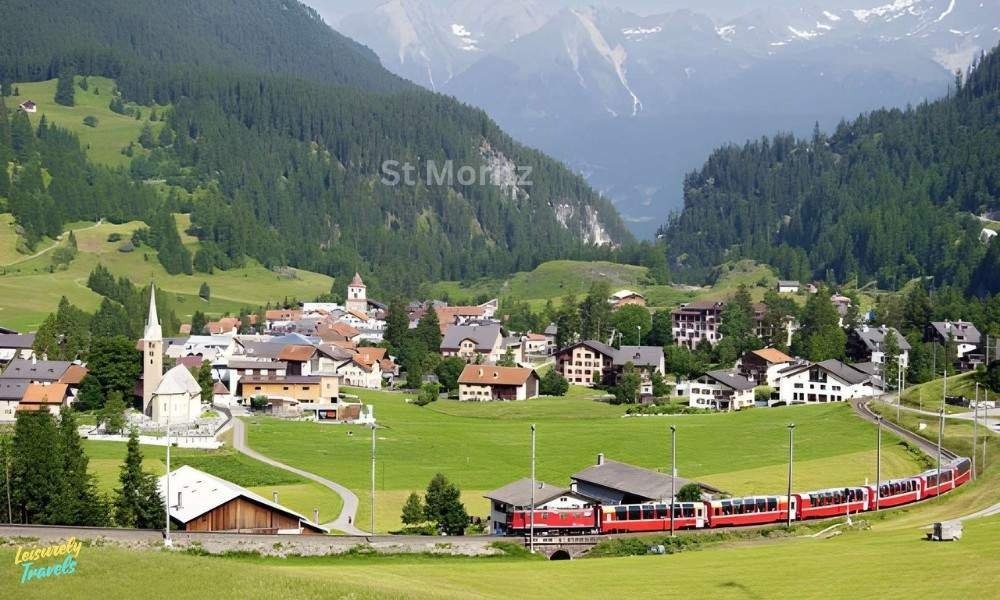
On the final day, I traveled from Zermatt to St. Moritz. This route completes a perfect 5-day Switzerland itinerary beautifully. The full journey feels more like an unforgettable experience. It is not just transport, but a highlight of the trip.
The Glacier Express is the best way to make this travel special. It is a luxury panorama train crossing the heart of Switzerland.
This route is one of the most renowned tourist trains worldwide. It is also among the most famous scenic train journeys in the world.
About St Moritz
St. Moritz is known as the birthplace of alpine tourism. Its history goes back to the mid-1800s and early winter travel. The town is filled with 5 hotels* and fancy ski resorts. You will also find top gourmet restaurants and high-end luxury experiences.
Even during five days in Switzerland, costs can feel high here. I managed my budget by choosing simple options daily.
Sometimes I stayed in a cheap chalet instead of luxury hotels. I also bought a quick sandwich from a local supermarket.
Walking by the lakeside offers calm moments and fresh air. The area is known for its incredible views all year round.
This place blends high-end travel with natural beauty perfectly. It remains one of the top spots for tourism in the alpine region.
Experiences You Should Not Miss in St. Moritz
In St. Moritz, there are many relaxing and active things to do. I found the mix of nature and luxury very unique here.
- Start with a peaceful loop walk around the lake. This 4.4km walk offers breathtaking views at every step.
- Take the funicular up to Corviglia at a 2486 m height. From there, you can enjoy a scenic hike during summer.
- In winter, the same area becomes perfect for ski activities. The changing seasons completely transform the experience.
- Ride a cable car up to Piz Nair at 3057m. The height gives an instant adrenaline rush with stunning views.
- For something different, try the bobsled run experience. It is the oldest bobsled run in the world.
- After adventure, enjoy a calm spa treatment in town. Many luxury wellness resorts offer relaxing spa experiences.
- Places like Badrutt’s Palace Hotel feel very elegant. You can also visit Kulm Hotel or Kempinski Grand Hotel.
From my experience, mixing adventure with rest works best. It keeps the trip balanced and enjoyable throughout.
Where to Stay in St. Moritz
Finding the right place in St. Moritz depends on comfort and style. I looked for stays with great mountain views and peaceful surroundings.
- One unique option is near an observatory, perfect for stargazing nights. I found Randolin’s Berghotel ideal for quiet stays with a spa.
- For mid-range travelers, comfort and value balance well here. I liked Hotel Piz for its cozy rooms and central location.
- Places like Chesa Languard feel warm and welcoming. You can also choose Boutique Hotel Cervus for a stylish stay.
After St Moritz: Returning to Zurich
After St. Moritz, your 5-day Switzerland itinerary starts to reach its end. I planned my next step carefully to keep the journey smooth.
The easiest option is taking a train back to Zurich. From there, you can easily fly out of Switzerland. The journey takes around 3h 10m to 3h 40m total. Usually, it includes one change at Chur or Landquart.
I found this route simple and comfortable after long travel days. It felt like a calm way to wrap up the trip.
If you have more time, extend your Europe trip southward. Take a scenic panoramic train like the Bernina Express.
This route leads to Tirano in northern Italy beautifully. It feels like entering a quiet Italian mountain village suddenly. From Tirano, you can take a same-day train to Milan. This connects easily to other major Italian cities.
I loved how this extended route added variety to my travel. The full journey felt like a story across different cultures.
Conclusion
A 5-day Switzerland itinerary is short but unforgettable. From Zurich to Interlaken, Lauterbrunnen, Zermatt, and St. Moritz, every moment feels magical. With smart planning, you can enjoy stunning views, smooth travel, and lasting memories in just a few days.