Europe is the best babymoon for couples who want beauty without effort. The flights from the eastern United States are seven to nine hours, the cities are walkable, the food is slow, and the healthcare is excellent. These are the 10 best babymoon destinations in Europe for 2027: Santorini, the Amalfi Coast, Paris, Barcelona, Venice, Lake Como, Provence, Crete, Nice, and Prague. Each one comes with its best season, why it works while pregnant, and one honest caveat, because no destination is perfect and you should know the catch before you book.
Contents
- Why Europe works for a babymoon
- 1. Santorini, Greece
- 2. Amalfi Coast, Italy
- 3. Paris, France
- 4. Barcelona, Spain
- 5. Venice, Italy
- 6. Lake Como, Italy
- 7. Provence, France
- 8. Crete, Greece
- 9. Nice and the French Riviera, France
- 10. Prague, Czech Republic
- How to choose
- FAQs
Why Europe works for a babymoon
Europe wins on pace. The cities are built for walking, the meals are long, and the best days are the ones with no plan at all: a morning market, a long lunch, and an afternoon on a terrace. The healthcare is excellent in the big cities, and most of the places on this list have a full hospital within an hour. The time difference is six to seven hours from the eastern United States, which is manageable, and the flight is a single overnight hop. Our guide to the best babymoon destinations around the world covers the wider picture, and our USA guide is the counterpart for couples staying stateside; this is the Europe-only list.
One thing to settle before you book anything: check your airline’s pregnancy cutoff and your travel insurance. Most airlines let you fly until around 36 weeks for a single pregnancy, but the exact rule varies, and your insurance must cover pregnancy abroad. The best time for a babymoon is usually the second trimester, weeks 14 to 28, when energy is highest and travel is most comfortable.
1. Santorini, Greece
Santorini is the lead pick, and it earns it. The caldera sunsets are the most romantic sight in Europe, the villages of Oia and Fira are white and quiet in the shoulder season, and the food is simple and good: grilled fish, tomatoes, and wine you will not be drinking. The luxury stays are here too: our luxury guide covers the Canaves Oia Suites and Andronis in full, with the resort detail.
The best time is late spring, April to May, or early autumn, September to October, when the temperatures are pleasant and the crowds are gone. Summer is hot, crowded, and expensive, and it is the worst time to be pregnant on a cliff. The honest caveat is the steps: the caldera villages are built almost entirely on steps, so go in the second trimester, stay in the village, and do not plan to climb. Santorini has a small hospital in Fira; for anything serious, couples are flown to Athens. That is the reality of an island, and it is worth knowing before you book.

2. Amalfi Coast, Italy
The Amalfi Coast is Positano, Sorrento, and Ravello: cliffside towns, slow food, and boat days on a calm sea. It is the prettiest coastline in Europe, and it is made for couples who want to sit and look at the water. The best time is spring, April to June, or fall, September to October, when the weather is warm and the towns are quiet.
The honest caveat is the walking. The lanes are steep and stepped, so pace it and base in one town rather than moving every night. Sorrento is the best base for a babymoon: it is flatter than Positano, it has a hospital, and the ferries to Capri and Positano leave from its harbour. A boat day is the gentlest way to see the coast, and it needs no walking at all.
3. Paris, France
Paris is the classic city babymoon, and it still works. Romantic walks along the Seine, cafés with chairs that face the street, museums at a slow pace, and the best food in Europe. The city is flat along the river, the metro is easy, and the healthcare is excellent if you need it.
The best time is spring or fall, when the weather is mild and the city is at its prettiest. Summer is crowded and hot, and winter is grey. The honest caveat is the walking: Paris rewards walkers, so plan short days, take taxis between neighbourhoods, and sit down often. Base near the river in the 1st, 4th, or 7th arrondissements, where the ground is flat and the cafés are close.
4. Barcelona, Spain
Barcelona is the liveliest pick on this list. Park Güell, the Sagrada Família, Catalan food, and beach walks along the waterfront. The city is flat along the sea, the food is excellent, and the pace is slower than Paris. The best time is spring or fall, when the weather is mild and the crowds are thinner.
The honest caveat is the pickpockets. Barcelona’s crowded tourist areas are famous for them, so keep valuables close, carry a crossbody bag, and leave the good jewellery at home. The city has excellent hospitals, and the beach is a gentle walk from the old town. Barcelona suits couples who want a city with energy and a beach in the same trip.
5. Venice, Italy
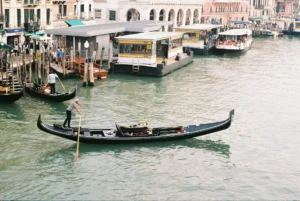
Venice is the most romantic city in Europe, and it is also the strangest: no cars, canals instead of streets, and a pace that forces you to slow down. The walks are slow and flat at water level, the food is good, and the city is beautiful at every hour. The best time is spring or fall, when the light is soft and the crowds are thinner.
The honest caveat is the bridges. Venice has more than 400 of them, and every one of them is a set of steps. Plan short days, base near St. Mark’s Square so the walk home is short, and take a vaporetto, the water bus, instead of walking everywhere. The hospital is on the main island, and the city is small enough that help is never far.
6. Lake Como, Italy
Lake Como is the calmest pick on this list. Lakeside towns, luxury resorts, gentle boat trips, and a pace that is slower than the Amalfi Coast. The best time is May to September, when the lake is warm and the gardens are in flower. The towns are small, the ferries are easy, and the food is simple and good.
The honest caveat is the hills. The lake towns climb steeply from the water, so base at lake level in Bellagio or Como town, and take the boat between towns instead of driving the narrow lakeside road. Como town has a hospital, and the lake is quieter than Amalfi, which is exactly why couples choose it.
7. Provence, France
Provence is lavender fields in season, village markets, and a slow countryside pace. It is the best car-based pick on this list for couples who want to avoid city walking: drive between villages, stop at a market, have a long lunch, and drive on. The best time is June for the lavender, or September and October for the harvest and the mild weather.
The honest caveat is the driving. The villages are spread out, so you need a car, and the roads are narrow. Base in one village, like Lourmarin or Gordes, and keep the drives short. Avignon and Aix-en-Provence both have full hospitals, and the countryside is the gentlest part of France.
8. Crete, Greece
Crete is the quieter Greek alternative to Santorini, and it is the best pick on this list for a longer, slower stay. The island has villages, beaches, food, and warm hospitality, and it is far less crowded than Santorini. The best time is May to June or September to October, when the weather is warm and the island is quiet.
The honest caveat is the size. Crete is a big island, so pick one coast and stay there: Chania in the west for the old town and the beaches, or Heraklion in the east for the food and the museums. Heraklion has a large university hospital, and the island’s roads are good. Crete suits couples who want Greece without the crowds and the steps.
9. Nice and the French Riviera, France
Nice is Mediterranean charm with a promenade built for slow walking. The Promenade des Anglais is flat and long, the old town is a maze of markets and cafés, and the day trips to hill villages like Èze and Saint-Paul-de-Vence are short and easy. The best time is spring or fall, when the weather is mild and the coast is quiet.
The honest caveat is the summer crowds. July and August bring the whole of Europe to the Riviera, and the promenade fills up. Come in May, June, September, or October instead. Nice has a large university hospital, and the airport is 15 minutes from the promenade, so the journey is short.
10. Prague, Czech Republic
Prague is the best-value pick on this list for Europe. The old town is walkable, the architecture is extraordinary, and the food and stays cost less than in Paris or the Amalfi Coast. The best time is May, June, September, or October, when the weather is mild and the crowds are thinner than in summer.
The honest caveat is the cobblestones. The old town is beautiful and uneven, so wear comfortable shoes and take it slowly. The city has excellent hospitals, and the old town is compact enough to do in short days. Prague suits couples who want a European city break at a lower spend, with history on every street.
How to choose
Pick Santorini if you want the most romantic view in Europe and can go in spring or fall. Pick the Amalfi Coast if you want the coast and can pace the steps. Pick Paris if you want the classic city. Pick Barcelona if you want energy and a beach. Pick Venice if you want romance and can handle the bridges. Pick Lake Como if you want calm. Pick Provence if you want the countryside and a car. Pick Crete if you want Greece without the crowds. Pick Nice if you want the Riviera and a short journey. Pick Prague if you want the best value. Wherever you pick, go in the shoulder season, base in one place, and keep the days short.
FAQs
Santorini is the best all-round pick in late spring or early autumn: the caldera, the food, and the quiet villages. Paris is the best city pick, and the Amalfi Coast is the best coastline. The right answer depends on whether you want a view, a city, or a coast.
Late spring, April to May, and early autumn, September to October, are the best months almost everywhere: pleasant temperatures, fewer crowds, and lower stays. Summer is hot and crowded, and winter is cold and grey in the north.
Yes, and the healthcare is excellent in the big cities. Check your airline’s pregnancy cutoff before you book, make sure your travel insurance covers pregnancy abroad, and know where the nearest hospital is. Islands like Santorini have small hospitals, so serious cases go to the mainland.
Prague is the cheapest city pick on this list, and Crete is the cheapest island pick. Both cost far less than Paris, Santorini, or the Amalfi Coast, and both are easy to do slowly.
It is better not to. The caldera villages are built almost entirely on steps, and the third trimester makes climbing hard. Go in the second trimester, or pick a flat destination like Nice or Paris instead.
Venice is flat at water level, but its 400 bridges all have steps. Plan short days, base near St. Mark’s Square, and take the vaporetto instead of walking everywhere. It is very doable if you pace it.
Seven to ten days is right for most couples: one base for the whole trip, or two bases with a short hop between them. Do not try to see three countries in a week. Pick one place, and let the trip be slow.
This guide is for planning only and is not medical advice. The best time for a babymoon is usually the second trimester, weeks 14 to 28, according to the American College of Obstetricians and Gynecologists. Talk with your healthcare provider before you travel, and check your airline’s pregnancy cutoff before booking international travel.