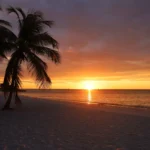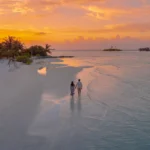
The most unique honeymoon destinations are the Cook Islands, the Faroe Islands, Patagonia, Oman, Sri Lanka, Iceland, the Galapagos Islands, Madagascar, Lapland and Lake Bled in Slovenia. Each one earns its place by being unexpected: a lagoon with no international chains, cliffs in the fog, glaciers at the end of the world. Pick by the month first, because an offbeat trip has no resort to hide in when the weather turns.
Contents
- How to pick an offbeat honeymoon
- Cook Islands
- Faroe Islands
- Patagonia
- Oman
- Sri Lanka
- Iceland
- Galapagos Islands
- Madagascar
- Lapland
- Lake Bled, Slovenia
- Offbeat honesty: the logistics
- FAQs
How to pick an offbeat honeymoon
A unique honeymoon is a trade. What you give up is direct flights, big resorts and easy planning. What you gain is privacy, a story nobody else at the wedding has, and often better value. The average honeymoon costs about $5,500 per couple for roughly 7 days, and 69 percent of couples take one, according to The Knot 2026 Real Weddings Study, so the budget is not the thing that makes a trip offbeat. The choice is.
Start with the month, not the map. Every entry below names its best months, and the months line is the point: on an offbeat trip, the best month matters more than on a resort trip, because there is no resort to hide in. Then ask what kind of different you want. Adventure, wilderness, culture, or a place most couples have never considered. Our best honeymoon destinations guide is the classic list, and the ten picks below are its other end.
Cook Islands
The Cook Islands are the classic tropical honeymoon with a twist, and on a budget. Aitutaki lagoon is the crown jewel: a shallow turquoise lagoon ringed by small motu islets, with no international chains anywhere on the islands. Everything is local and independently owned, and the whole trip costs much less than Bora Bora. The islands run on the New Zealand dollar, which is good value for US couples.
The dry season runs April to November, and the sweet spot is April and May or September and October, when the weather is warm and dry without the July and August crowds. Humpback whales pass through from July to October. A direct flight runs from Los Angeles to Rarotonga in season, so check the current schedule before you plan around it; the islands are reachable, just not daily. Book the flight first and the stay second, because the flight schedule sets the whole trip.
Faroe Islands
The Faroe Islands are a fantasy-film landscape, not a beach holiday. Cliffside trails, fog rolling over green ridges, and bridges to barely inhabited islands. The best months are June to August, when the weather is at its kindest, the days stretch to nearly 20 hours of light around the solstice, and every trail and ferry is running. Puffins nest on Mykines Island from late April to mid-August, with June and July the most reliable months.
May and September are the quieter pick: fewer crowds, lower prices, and the light is golden, though ferry schedules thin out. Summer temperatures sit around 7 to 13 degrees Celsius, so pack layers even in July. December to March is northern-lights season, but it is a trip for hardy travellers only, with short days and storms. Go in summer for the hiking, and go in winter only if the lights are the whole point.
Patagonia
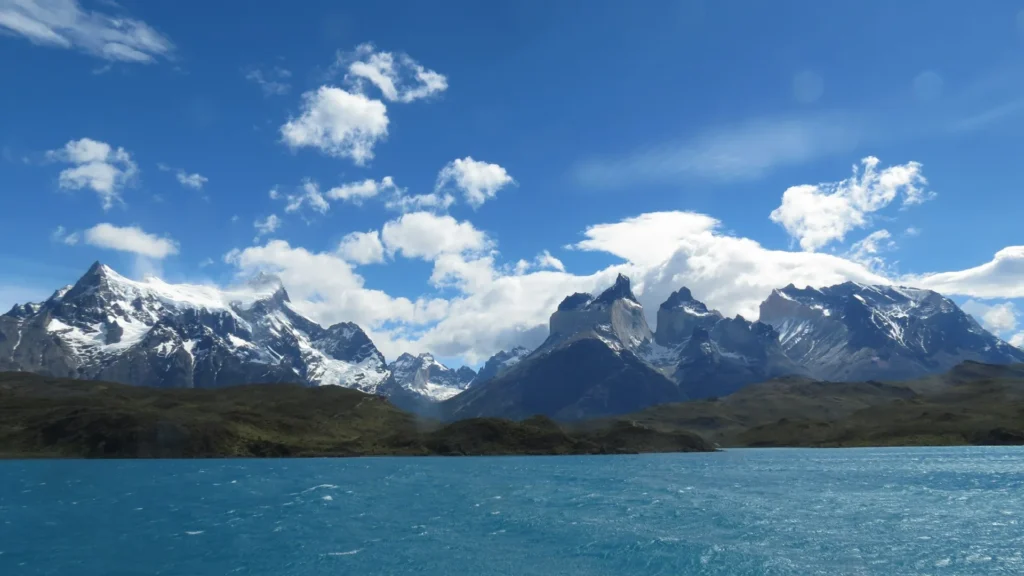
Patagonia is a honeymoon as epic adventure: mountains, glaciers and remoteness at the end of the world. Torres del Paine, El Calafate, El Chalten and Ushuaia are the names to know, and the window is November to March, the southern summer. December to February brings the longest days and the warmest weather, but also the highest prices and the biggest crowds, with the most popular lodges booking out months ahead.
March to April is the quieter shoulder: autumn colours, 30 to 40 percent fewer visitors, and most of the landscape still open. November is the other shoulder, green and uncrowded as the season opens. Whatever month you pick, pack a windbreaker and layers, because Patagonian weather is famous for four seasons in one day, even at the height of summer. This is the honeymoon for couples who want the trek, not the beach.
Oman
Oman is desert, mountains and coast in one week, and you can sleep in all three. The Wahiba Sands at dawn, the wadis for a swim, the Hajar mountains for cool air, and Nizwa Fort for history. The best months are October to April, and November is the single best month: comfortable temperatures, low crowds, and prices that have not yet hit the December to February peak.
December to February is the mildest stretch, and also the busiest and priciest. March and April are the underrated shoulder, still pleasant in the mornings, with roses blooming in Jebel Akhdar. May to September is hot in Muscat and the interior, often above 40 degrees, so avoid the north in summer. The one exception is Salalah in the south, where the khareef monsoon turns the hills green from June to September. Oman is the offbeat pick for couples who want variety without a long flight between the parts.
Sri Lanka
Sri Lanka here is a different job from the beach split in our beach honeymoon guide. Here it is tea country, temples and wildlife, not the beach. The slow train through the hill country to Ella, tea estates around Nuwara Eliya and Hatton, Sigiriya at sunrise, and leopards in Yala National Park. The elephant gathering at Minneriya runs from about July to October, when the reservoir shrinks and the herds come to the fresh grass.
The best months for tea country and temples are December to March, when the hill country is clear and cool and the Cultural Triangle is comfortable. Wildlife in the southern parks is best from February to July, when water sources shrink and the animals concentrate. Sri Lanka has two monsoons, one on each coast at opposite times of year, so there is almost always a dry coast somewhere. Pick the side that matches your month, and the island works in almost any season.
Iceland
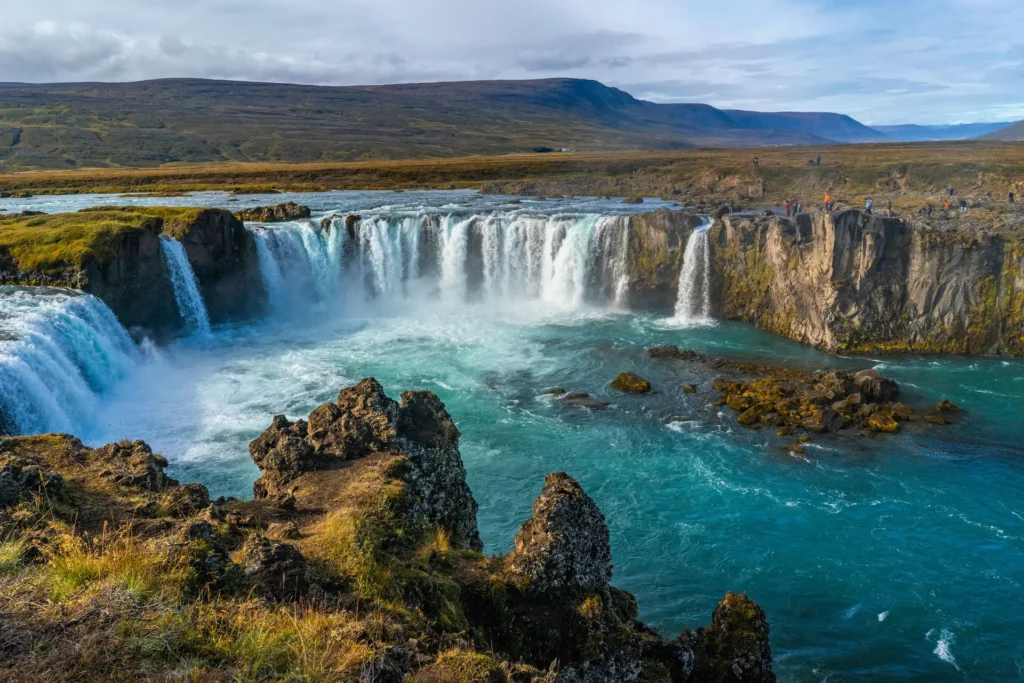
Iceland is two completely different honeymoons, and this entry is the northern-lights one. The lights season runs September to March, when the nights are long enough for the aurora. February is statistically the best month for the lights, with long nights and clearer skies on average than November to January. September is the smartest combination month: the aurora returns by mid-month, the autumn colours peak, the highland roads are still open, and prices drop from August.
The other trip is the summer one: June to August, midnight sun, all the highland roads open, puffins at their colonies, and no aurora at all, because the sky never gets dark enough. January and February are the cheapest months but also the hardest, with very short days and severe weather risk. Whichever trip you pick, add the waterfalls, the black-sand coast and the geothermal pools, because Iceland is the place where the landscape is the honeymoon.
Galapagos Islands
The Galapagos Islands are wildlife you cannot see anywhere else, by small boat. Giant tortoises, marine iguanas, blue-footed boobies, sea lions and penguins on the equator, all of them comfortable around people. There is no bad month in the Galapagos, and that is the honest answer: the wildlife stays year-round, because most of it is resident.
What changes is the season. The warm season runs December to May, with calm seas, warm water and the best snorkelling visibility of the year. The cool season runs June to November, when the Humboldt Current sweeps up from the Antarctic, cooling the water and feeding the sea: whales, active sea lions and the best diving. July and August are the peak for humpback whales. Pick the warm season for snorkelling and the cool season for marine life, and book the small boat early, because the best boats sell out first.
Madagascar
Madagascar is the honeymoon for couples who want a place nobody at the wedding has been. Lemurs in the rainforest, the Tsingy limestone spires, and offshore islands reached by pirogue. It is a big island with slow roads, so pick one region and stay there rather than trying to see it all. The best time is September, when the weather is dry and the wildlife is active.
Madagascar rewards patience and punishes rushing. The lodges are small, the distances are long, and the animals do not perform on schedule. That is the point. Go for the lemurs and the rainforest, stay for the feeling that you are somewhere genuinely far away, and plan the trip around the one region you most want to see.
Lapland
Lapland is the winter honeymoon: northern lights, snow camping, reindeer safaris and cosy cabins. The best time is February to March, when the nights are still long enough for the aurora and the days are getting longer and brighter. The snow is deep, the cabins are warm, and the whole trip runs at a slow pace.
Lapland is the simplest offbeat pick on this list, because the trip is the season. Book a cabin, book the activities through the lodge, and let the cold do the rest. It is the honeymoon for couples who would rather watch the sky than sit on a beach, and who think a reindeer safari sounds better than a sunset cruise.
Lake Bled, Slovenia
Lake Bled is the European offbeat entry: a lake and a castle, an island church reached by a wooden pletna boat, and the Julian Alps above the water. The best months are May and September, when the temperature sits around 18 to 21 degrees, the lake is warm enough to swim in by late May, and the crowds are much smaller than in July and August. Accommodation prices run 30 to 40 percent below peak in those months.
June to August is peak season, with the best swimming and the longest queues at the viewpoints. Winter brings snow on the Alps, a small Christmas market, and on rare occasions a frozen lake for skating. And if a European coast is more your speed than a lake, Croatia is the other offbeat pick, and our Croatia guide covers it in full. Our Europe guide covers the continent in full for couples who want more than one country.
Offbeat honesty: the logistics
Offbeat costs time, not always money. Longer flights, fewer direct routes, more planning, and a booking window that starts earlier: book 6 to 9 months ahead, because remote lodges and small boats sell out first. The weather is the tradeoff, and the best month matters more for an offbeat trip than for a resort trip, because there is no resort to hide in.
Check entry and health guidance for the destination at booking time, and never plan from a visa rule remembered from an old trip. Rules change, and the check takes minutes. The reward for the extra planning is the thing the classic list cannot give: a honeymoon that is yours alone, in a place most couples have never considered, with a story you will still be telling in ten years.
FAQs
A unique honeymoon does not look like the standard postcard. It trades direct flights, big resorts and easy planning for privacy, a story nobody else has, and often better value. Adventure, wilderness, culture or a place most couples have never considered.
Six to nine months ahead. Remote lodges and small boats sell out first, and seasonal direct flights like Los Angeles to Rarotonga set the whole trip. The most popular Patagonia lodges book out months ahead for January and February.
Not always. The Cook Islands cost much less than Bora Bora, and the New Zealand dollar is good value for US couples. Offbeat costs time more than money: longer flights, fewer direct routes, more planning. The average honeymoon costs about $5,500 per couple for roughly 7 days.
April and May or September and October, inside the dry season that runs April to November. The weather is warm and dry without the July and August crowds, and humpback whales pass through from July to October.
Yes, in Iceland or Lapland. Iceland’s lights season runs September to March, with February statistically the best month. Lapland is best in February to March. Summer in Iceland has no aurora at all, because the sky never gets dark enough.
Yes, for couples who want the trek, not the beach. The window is November to March. December to February has the longest days and the highest prices, while March to April is the quieter shoulder with autumn colours and 30 to 40 percent fewer visitors.
The Galapagos Islands, for wildlife you cannot see anywhere else, by small boat. Madagascar is the other wildlife pick, for lemurs and rainforest. In Sri Lanka, the southern parks are best from February to July, when the animals concentrate around shrinking water sources.
This guide is for planning only and is not travel advice. Check entry requirements before a 2027 trip to Greece or Italy, and check the CDC destination page before booking international travel.