Introduction

A good Rome itinerary can make a short visit feel full and easy. For a first-time trip, I always recommend a simple plan that helps you explore more and stress less.

I traveled to Rome once in July, during a heat wave in peak tourist season. That experience taught me that smart planning matters as much as the sights.

Rome can be a lovely choice for a honeymoon trip, even after a month-long honeymoon as a second stop. It also works well for a couple, a teenager, or anyone who wants to enjoy history, food, and city life in one place.

On a short visit, focus on the main attractions you truly want to visit. The places many people do not miss are Vatican City, the Colosseum, the Roman Forum, the Spanish Steps, the Trevi Fountain, and the Pantheon.

These famous attractions are beautiful, but they are also very busy in tourist season. That is why many tourists plan their sightseeing early and keep extra time for rest between touristy places.

Before you travel, think about tickets, entry, and how to get around. In Rome, advance booking helps a lot because many paid attractions have specific entry times.

For big sights, it is best to book in advance and check the options carefully. Some people choose skip-the-line passes, while others compare a city pass for multiple attractions to see if it is worth it.

I usually break down each day by area, especially if you are willing to walk. This makes walking between sights easier and leaves more time to enjoy each stop instead of rushing.

How to Plan 3 Days in Rome

This 3-day Rome itinerary covers the Vatican, Colosseum, Roman Forum, Pantheon, Trevi Fountain, and Borghese Gallery for first-time visitors.

The Arrival Day

On arrival day, keep things light, simple, and unhurried. When I first arrived in Rome, I realized that beginning gently made the entire trip feel smoother, calmer, and far more enjoyable.

Most travelers arrive either through the airport or near Termini Station, and the smartest first move is usually the simplest one: go straight to your accommodation. After a flight or train journey, nothing feels better than dropping your bags, checking in, and giving yourself a moment to reset.

Settle In Before Anything Else

Take time to ease into your space, whether you are staying in a hotel or an Airbnb. A smooth check-in creates a natural pause after travel and helps you recharge before stepping into the city.

A long cross-city journey on the first day rarely feels rewarding. It is better to shape your plans around your energy level, your luggage, and however much daylight or free time remains.

Keep the First Afternoon Gentle

If you arrive in the afternoon, resist the urge to do too much. Save the major landmarks and any pre-booked ticketed attractions for the following days, when you can enjoy them with more time and less pressure.

Your first few hours in Rome are best spent on a softer kind of discovery:

  • Wander through the area around your accommodation
  • Get a feel for your neighborhood at an easy pace
  • Stop for coffee, browse a nearby street, or simply enjoy the atmosphere
  • Let the city introduce itself gradually rather than all at once

Why the Vatican Area Works So Well

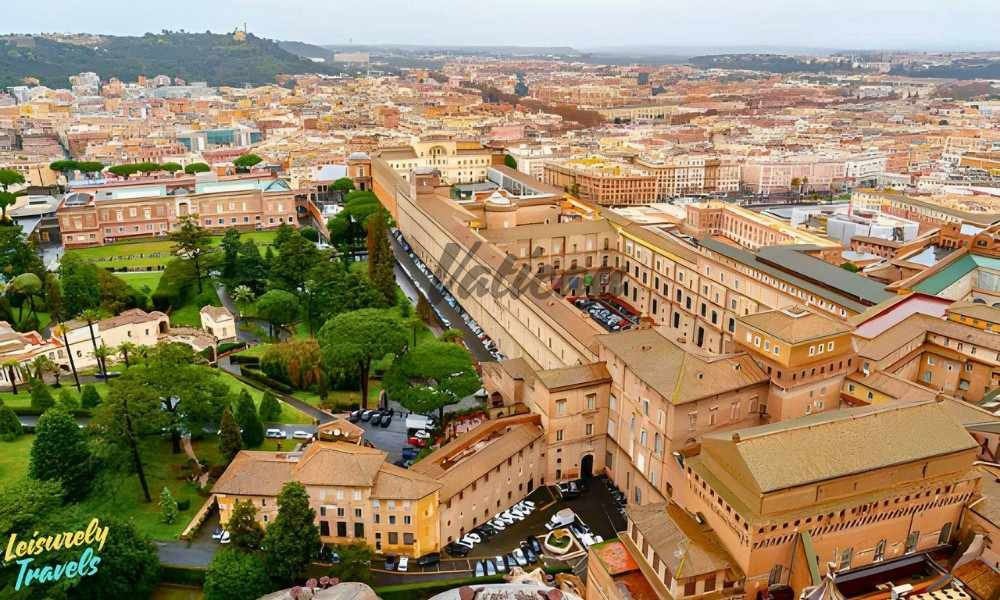
This slower approach feels especially rewarding if you are staying near Vatican City. It is one of those parts of Rome that lends itself beautifully to a first-day stroll, with streets that are easy to walk, plenty of places to pause, and a natural sense of calm.

If you are based in that area, you already have more than enough around you to make the day feel memorable. A gentle neighborhood walk often feels far more satisfying than racing across the city trying to “see everything.”

Easy First-Evening Ideas

For many travelers, a relaxed first outing naturally leads to places like the following:

  • Trevi Fountain
  • Spanish Steps

These landmarks are iconic, but they also work surprisingly well as part of a low-pressure first evening. They give you that unmistakable Roman feeling without demanding too much from your first day.

Let Food Set the Tone

Food can shape the mood of arrival day just as much as sightseeing. If you are near Le Altre Farine, it is a useful stop for gluten-free travelers.

As a traveler, I always remember places like that the ones that make arrival feel easy and welcoming. Good food, walkable streets, and time to settle in can make even a short first day in Rome,italy feel rich and complete.

Day 1: Start Early at the Vatican

On Day 1, start early and keep the morning simple. In Rome, an early start can completely transform the tourist experience. The city feels calmer, the sights feel more intimate, and the day unfolds with far less friction.

Have a proper breakfast before heading out. You will be walking a great deal, and this particular morning begins quickly and stays busy.

Choose an Early Vatican Museums Tour

My favorite way to begin a Rome itinerary is with an early morning tour of the Vatican Museums. I chose Pristine Sistine with Walks of Italy, and it turned out to be one of the most memorable mornings of my trip.

The tour began at 7:15 a.m. and lasted around four hours. Because it was a small-group experience, the pace felt calm, well-managed, and easy to follow from start to finish.

Why Booking Ahead Matters

For this kind of Vatican visit, advance booking is essential. Reserving early helps secure:

  • Timed entry
  • Smoother access
  • A more organized start to the day
  • Less stress once you arrive

A well-booked early tour makes the entire experience feel more seamless.

The Real Advantage of Going Early

The biggest benefit of entering early is simple: fewer crowds.

That alone changes everything. With fewer people around, the Vatican feels more atmospheric and far easier to enjoy. You have more space to look closely, listen fully, and take in the art without constantly being pushed along by the crowd.

A Great Guide Changes the Experience

A strong guide can elevate the visit from impressive to unforgettable. Our guide was an archaeologist, and her explanations were clear, engaging, and insightful. Every explanation was clear, engaging, and full of insight, and she brought real depth to the galleries as we moved through them.

A guided tour can be a helpful option for a first Vatican morning. It adds context, structure, and a sense of ease that is hard to replicate on your own.

The Sistine Chapel as the Morning’s Finale

The route through the museums gradually builds toward the Sistine Chapel, and that sense of progression makes the experience even more powerful. Photography is not allowed inside, but the stillness of the moment stays with you long after you leave.

A well-run group tour keeps the day organized from the very beginning. Even with a long walk and a full morning, it helps conserve energy later and sets the tone beautifully for the rest of your time in Rome.

A Memorable Afternoon at St. Peter’s Basilica

In the afternoon, leave the Vatican Museums behind and make your way to St. Peter’s Basilica. This part of a Rome itinerary brings a noticeably different mood to the day: less structured, more reflective, and every bit as impressive.

If your Vatican tour does not include the basilica, be prepared for a line at entry. It can move slowly, so it is wise to allow extra time rather than rushing the experience.

The First Impression Inside

The first look inside St. Peter’s Basilica feels almost unreal. I found it even more striking than expected far larger, more dramatic, and more commanding than photographs ever suggest.

What makes it unforgettable is the contrast: the basilica feels opulent, beautiful, and deeply calm all at once. The architecture is richly ornate, layered with detail, and best appreciated slowly.

Even for travelers who are not especially religious, this is still a must-visit. It is one of the great landmark spaces of Vatican City and one of those places that leaves a lasting impression simply by being in it.

Why It Works So Well After the Morning Tour

I would recommend visiting the basilica after your Vatican Museums tour. After the busy galleries and constant movement of the morning, the basilica offers a quieter, more spacious side of Rome.

That shift in atmosphere makes the day feel balanced:

  • The museums bring energy, art, and momentum
  • The basilica offers stillness, scale, and reflection
  • Together, they create a fuller Vatican experience

What to Wear Before You Go

Before entering, keep the dress code in mind. Modest clothing is required, which means:

  • Your arms should be covered
  • Your legs should be covered
  • It is best to plan for both comfort and compliance before arriving

A little preparation makes entry much smoother and helps you enjoy the visit without interruption.

See the Colosseum in the Evening Light

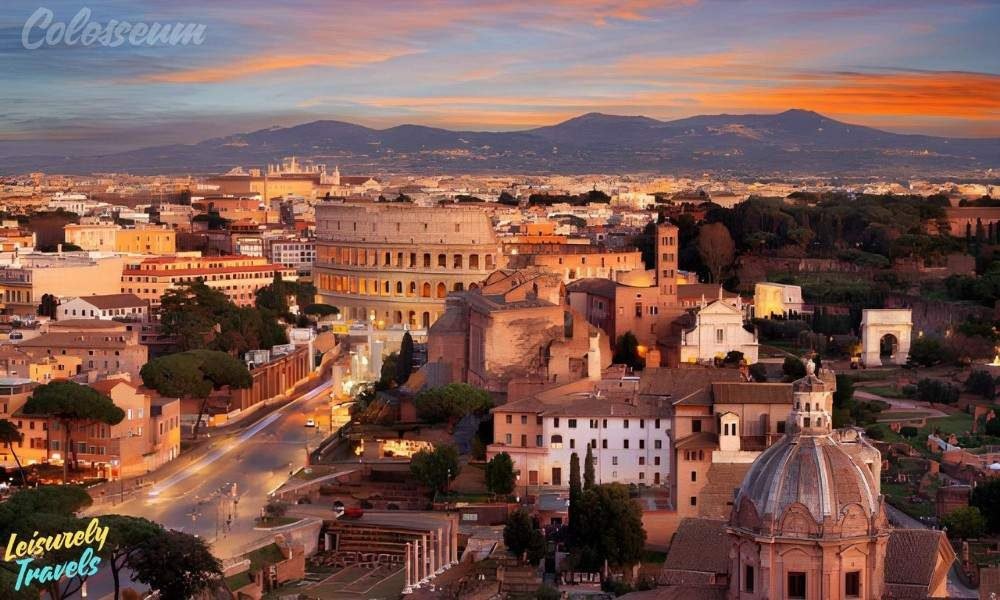
After dinner, head to the Colosseum. This part of the itinerary felt calm and exciting at the same time, an experience shaped as much by atmosphere as by history.

I chose a Colosseum night tour because I wanted softer light and fewer people, and it became one of the most memorable parts of my Rome trip.

The Appeal of a Night Tour

What made the evening visit stand out was not just the monument itself but the way the timing transformed it. Going later meant the city had cooled down, the harshness of the day had faded, and the Colosseum felt more cinematic than crowded.

The biggest advantages were clear:

  • Softer light
  • Fewer visitors
  • More comfortable temperatures
  • A more atmospheric overall experience

Choose Carefully and Book Early

Some of the best evening tours sell out well in advance. The exact tour I chose is no longer available, but comparable options can still be found through the same operators.

Before booking, take a close look at what each ticket actually includes. Many listings sound similar, but the experience can vary significantly. I always recommend checking for details such as the following:

  1. Arena floor access
  2. Underground access
  3. Whether the Roman Forum is included
  4. Whether the tour is one long combined visit or better suited as separate stops

Advance booking is especially important here. It helps secure better timed entry and avoids last-minute disappointment.

What Made the Visit So Special

The main draw for me was the special access inside the Colosseum. Seeing the arena floor and the underground gave the visit far more depth and made the history feel tangible rather than distant.

Some other night tours looked appealing as well, but the closest alternatives had awkward mid-afternoon ticket times, which held little appeal in the July heat.

That is exactly why the evening slot worked so well. It was still light outside, but no longer hot, and the whole visit felt easier because of it.

Sunset, Stone, and Atmosphere

Our entry was at 7:00 p.m., right in that soft, cool sunset light. By the end of the tour, the stone was glowing, partly lit by the moon and partly by carefully placed lights.

That combination of history, texture, and atmosphere made the experience feel genuinely special. The transition from sunset into moonlight gave the Colosseum a sense of drama that is difficult to replicate during the day.

Should You Go at Night or During the Day?

If you are not set on a daytime visit, I would strongly recommend considering an evening tour. For me, the combination of night sightseeing, underground access, and time on the arena floor made it absolutely worth planning ahead.

That said, a daytime tour can still be an excellent choice with the right operator. The key is to compare tickets carefully and avoid the hottest part of the day, especially in July.

Booking Tips to Keep in Mind

Whatever you choose, book in advance. Colosseum tickets sell out quickly, and good planning makes a real difference.

A smart booking strategy helps with:

  • Timed entry
  • Heat avoidance
  • Better tour access
  • A smoother overall experience

For me, seeing the Colosseum shift from sunset to moonlight was one of the most memorable moments in Rome, proof that the right timing can make an iconic place feel even more extraordinary.

Start Day 2 at the Roman Forum and Palatine Hill

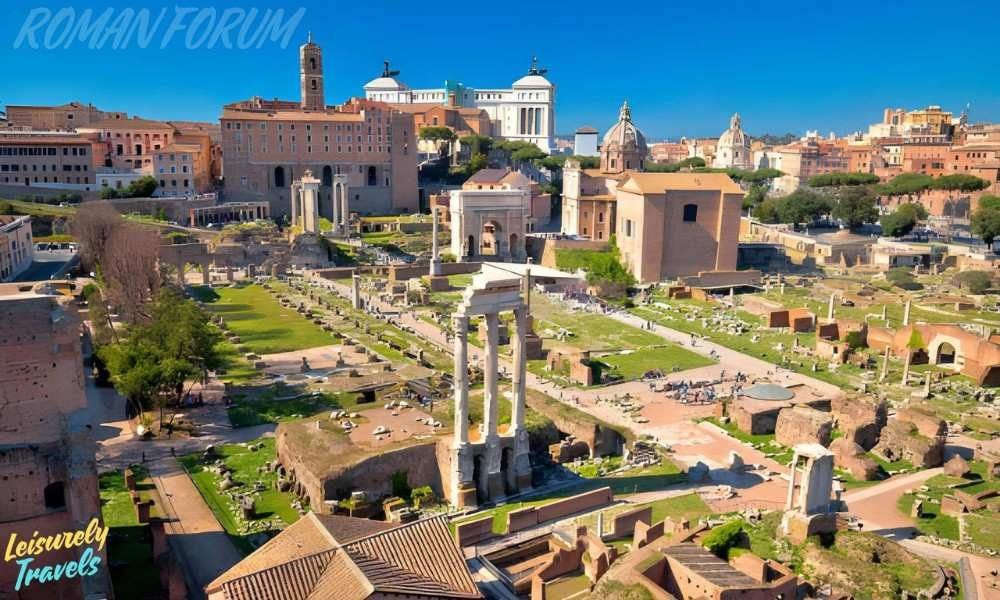
On Day 2, begin your morning at the Roman Forum and Palatine Hill. For anyone who loves history, this is one of the most rewarding parts of a Rome itinerary.

The site opens at 9:00 a.m., but many tour groups begin arriving by 10:00 a.m.. Getting there early makes a noticeable difference. You will have more space, a quieter atmosphere, and a far better chance to take in the setting before it becomes crowded.

What surprised me most was the scale. The entire area felt much larger than expected, and it took far longer to cover than I had imagined. Arriving early made that slower, more enjoyable pace possible.

Plan for Heat, Space, and Time

This is a place best experienced through slow walking and open-air exploration. On hot days, the temperature rises quickly, and there is very little shade.

A few essentials make the morning much easier:

  • Bring water
  • Wear sunscreen from the beginning
  • Allow more time than you think you will need
  • Start before the crowds and heat build

I learned that quickly, and it made the visit far more comfortable.

Book Tickets in Advance

You can buy tickets through the official website, and that is usually the best option. Booking ahead helps secure entry and removes the stress of figuring things out on the day.

Some travelers prefer a combined tour with the Colosseum, which can work well if you want everything connected in one structured plan.

You can still purchase tickets on-site, but that approach may slow you down. I had official tickets booked in advance, so I walked straight in without waiting in line.

In summer especially, that felt less like a convenience and more like a necessity.

Why Timing Matters Here

A well-timed morning at the Forum and Palatine Hill gives you two major advantages:

  1. Better crowd avoidance
  2. More comfort in the heat

When you combine advance booking with an early start, the experience feels smoother, calmer, and much more enjoyable.

An Easy Afternoon Walk Through Central Rome

In the afternoon, ease off the structure and enjoy a self-guided walk through central Rome. After a busy morning, this kind of walking tour feels lighter, more flexible, and far more open-ended.

I love this part of a Rome itinerary because it gives you room to explore at your own pace. It is one of the simplest ways to combine relaxed wandering with some of the city’s most iconic sights.

A Classic Route Through the Center

A beautiful afternoon route can include:

  • The Pantheon
  • Trevi Fountain

Both are classic stops, but each feels different when reached on foot, woven naturally into the rhythm of the city rather than approached as a standalone attraction.

If you plan to go inside the Pantheon, check the ticket situation in advance. Entry rules can change, and lines can build quickly, so it is worth looking into early.

A Hidden Stop Worth Adding

Near Trevi Fountain, I also loved Vicus Caprarius, a small museum tucked below street level. It was one of those places I discovered through one of Kaci Rose’s thoughtful recommendations.

The space is compact, smaller than I expected, but that actually added to its charm. Rather than feeling underwhelming, it felt intimate and unexpectedly memorable.

Inside, you can see:

  • Ancient remains
  • Sections of an old aqueduct
  • A quieter historical layer beneath one of Rome’s busiest areas

That contrast makes it especially interesting.

Why It Works So Well

This is a wonderful add-on if you want something beyond major open-air landmarks. A short museum stop like this brings balance to a day filled with grand sights and wide outdoor spaces.

Just keep one practical detail in mind: Vicus Caprarius is closed on Mondays. It is a small thing, but knowing it in advance can save you an unnecessary detour.

Let the City Unfold Naturally

A self-guided route like this works beautifully when you want a little freedom between each historic site and landmark. It allows the city to reveal itself gradually through side streets, small pauses, and unexpected details rather than rushing you from one stop to the next.

By the end of the afternoon, it feels less like checking sights off a list and more like experiencing Rome in a way that is personal, unforced, and deeply enjoyable.

Day 3: Visit the Borghese Gallery & Museum

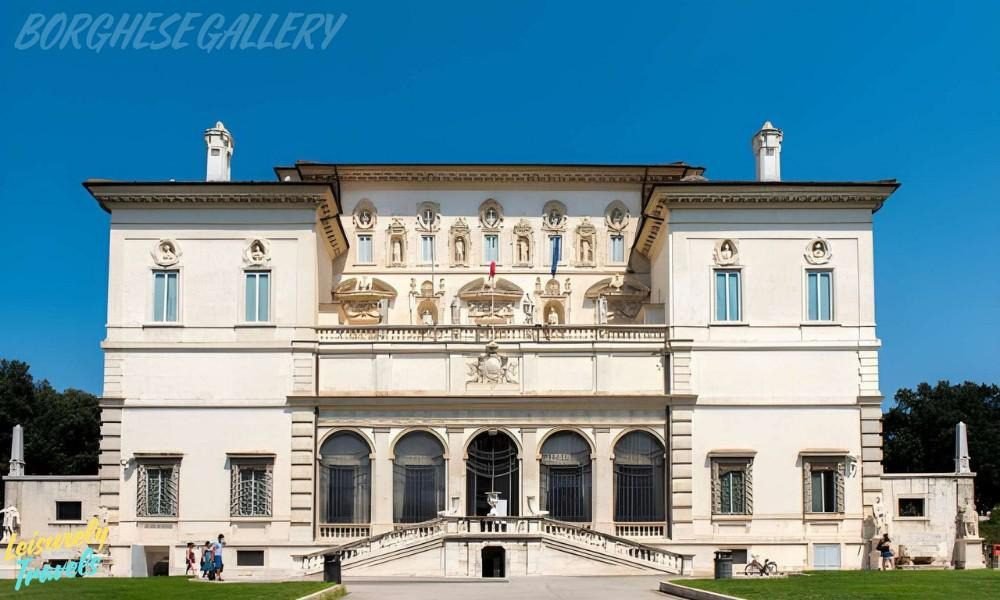
On Day 3, make time for the Borghese Gallery and Museum. In my view, it is one of the most rewarding art stops in any Rome itinerary. After two full days of ruins, churches, and major historic sights, the shift in pace feels especially welcome.

A quieter museum visit brings a fresh rhythm to the trip. It allows you to slow down, focus, and experience Rome from a more intimate and artistic perspective.

Why Advance Booking Matters

Tickets should be booked well in advance, as entry is limited and organized through a timed-entry system. Each reservation gives you a two-hour visiting window, and that time moves quickly especially if you like to look slowly and take in the details.

At the end of the slot, staff gently guide everyone out. It may sound strict, but in practice, it helps preserve the atmosphere and keeps the gallery from feeling overcrowded.

What Makes the Experience So Special

Inside, the rooms are filled with sculptures, statues, and remarkable works of art, and one of the most memorable parts of the visit is how closely you can appreciate the details.

The gallery feels elegant, focused, and immersive. In many ways, the limited time window actually adds to its charm, making the visit feel more special rather than rushed.

A Relaxed Walk Through Villa Borghese

After the museum, take time to explore the Villa Borghese Gardens. This part of the itinerary offers a welcome break from churches, ruins, and the intensity of Rome’s busier streets.

The space feels like a vast urban park in the middle of the city, with a lake, open gardens, and plenty of paths made for slow wandering.

What the Gardens Feel Like

What I liked most was the sense of everyday local life. I saw people:

  • Running
  • Walking
  • Spending time with family and friends
  • Simply enjoying the space at an unhurried pace

It does not feel overly formal or manicured. Instead, it has a more lived-in quality, which makes it feel easy, relaxed, and real.

Honest Expectations

To be honest, parts of the park looked quite brown when I visited. There was plenty of grass and a fair number of trees, but less lush greenery than I had imagined.

Perhaps that stood out more to me because I am from Canada, where I feel a little spoiled by deeply green parks and gardens. Even so, I still enjoyed Villa Borghese for its calm atmosphere and understated charm.

Why It Still Works

It may not be the most dramatic place for nature, but it works beautifully as a pause within the city. The blend of shaded paths, open space, and everyday Roman life gives the gardens their own quiet appeal.

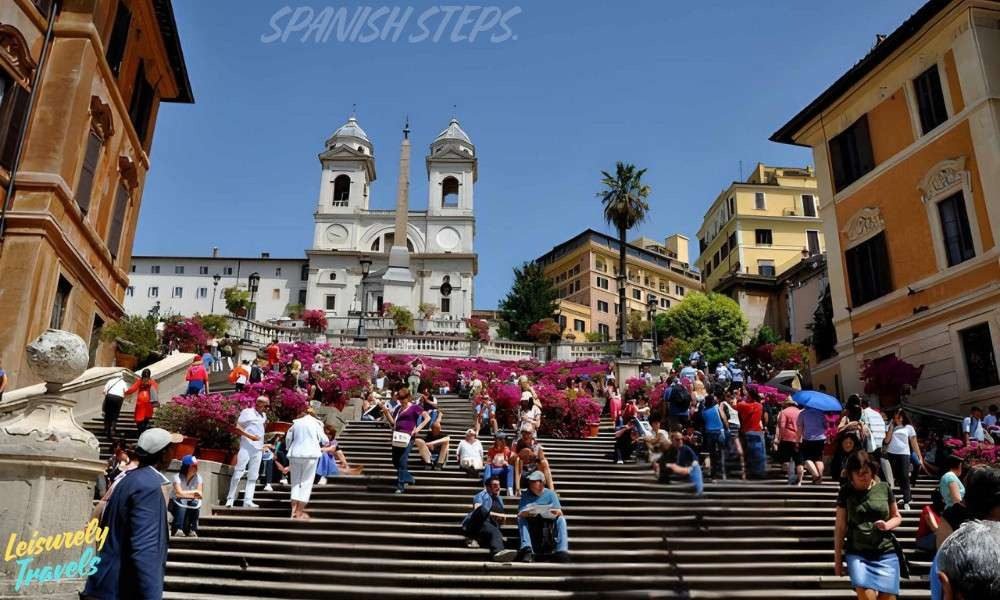
An Afternoon Around the Spanish Steps

From the Borghese area, make your way to the Spanish Steps. It is an easy addition to a Rome itinerary and keeps the afternoon feeling lively without becoming too demanding.

When I visited, it was extremely busy from top to bottom. It is very much a classic high-traffic area, so I think it works best as a short visit rather than a place to linger for long.

What to Expect at the Steps

Because you are not allowed to sit on the steps, it is best to approach this stop as a place to

  • Look around
  • Take a short stroll
  • Enjoy the atmosphere
  • Move naturally into the surrounding streets

That rhythm works especially well here.

Enjoy the neighborhood around it

One of the best things about this area is everything that surrounds it. Nearby, you will find plenty of the following:

  • Coffee shops
  • Gelato spots
  • Local cafés

It is easy to grab something, pause for a moment, and enjoy the mood of the neighborhood without needing to stay directly on the steps.

Let the Rest of the Afternoon Unfold

Afterward, use the rest of the afternoon to wander according to your energy. This part of Rome is ideal for easy walking and relaxed sightseeing, and it is also a good area to explore a few extra stops that may not always appear in every itinerary.

I especially like this kind of flexible hour on a trip. Once you have already seen your major priorities, it feels good to let the city guide the pace a little.

Why This Stop Fits So Well

A visit here works beautifully because the Spanish Steps connect naturally with surrounding streets and nearby landmarks. It keeps the day flowing without effort and adds a final note of style, energy, and social charm to your Rome itinerary.

Helpful Planning Tips for a Smoother Rome Trip

  • In my experience, the right tools make planning smoother before and during trips.
  • For major attractions in Rome, I’d compare official tickets first and then look at tour platforms if I wanted a guided option or more flexible timing.
  • This can be especially useful for skip-the-line tickets at the Colosseum, Vatican Museums, and Pantheon.
  • If your roaming is expensive, having mobile data ready on arrival can make maps, bookings, and transport much easier to manage.
  • You can activate Italian mobile data instantly after arrival and avoid roaming charges.
  • Smart trip planning starts with matching attractions by area, not by hype.
  • That kind of day planning helps you move efficiently and avoid backtracking.
  • When choosing where to stay, it helps to compare neighborhoods like Trastevere, Centro Storico, and Vatican City based on your itinerary, not just hotel price.
  • Keeping bookings, food stops, and walking routes in one place can make the itinerary much easier to manage. 
  • A simple system for hotel comparison, mobile data, and ticket booking reduces stress.

Good planning keeps your itinerary clear and makes your Rome days run efficiently

FAQS

What can you see in Rome in 3 days?

In 3 days in Rome, you can usually see the Vatican Museums, St. Peter’s Basilica, Colosseum, Roman Forum, Palatine Hill, Pantheon, Trevi Fountain, Spanish Steps, and Borghese Gallery if you plan your days well.

Is 3 days enough for Rome?

Yes, 3 days is enough to see Rome’s main highlights, especially for first-time visitors. You will not see everything, but you can cover the most famous attractions with a well-planned itinerary.

What are the best things to see in Rome Italy in 3 days?

The best things to see in Rome in 3 days include Vatican City, the Colosseum, Roman Forum, Pantheon, Trevi Fountain, Spanish Steps, Piazza Navona, and Villa Borghese.

How should I plan a Rome itinerary for 3 days?

The best way to plan a Rome itinerary for 3 days is by grouping attractions by area. Visit the Vatican on one day, ancient Rome on another, and central Rome plus Borghese on the third day.

What to see in Rome in 3 days for first-time visitors?

First-time visitors should focus on Rome’s iconic attractions like the Vatican Museums, St. Peter’s Basilica, Colosseum, Roman Forum, Pantheon, Trevi Fountain, and Spanish Steps.

What should I book in advance for Rome in 3 days?

For a 3-day Rome itinerary, it is best to book the Vatican Museums, Colosseum, Borghese Gallery, and Pantheon in advance to avoid long lines and limited entry slots.

Can you walk around Rome in 3 days?

Yes, many of Rome’s main attractions can be explored on foot, especially in central Rome. However, you may still need taxis, buses, or the metro for longer distances.

Is a 3-day Rome itinerary good for couples?

Yes, Rome is a great destination for couples. A 3-day itinerary can combine famous landmarks, scenic walks, good food, and romantic evening spots.

Conclusion

Rome is a city that rewards smart planning and slow moments. In just three days, you can experience its iconic landmarks, rich history, and vibrant streets without feeling rushed.

With early starts, well-timed bookings, and a flexible pace, your trip becomes both easy and unforgettable. In the end, it’s not just about seeing Rome; it’s about enjoying every step of the journey. 

LEAVE A REPLY

Please enter your comment!
Please enter your name here