

Introduction
Charleston is a city built on Southern charm, deep history, and views that hold up in every season. It’s one of the more approachable destinations in coastal South Carolina for a first trip. The best time to visit Charleston really depends on what the trip is for. Spring brings flowers and easy weather fall trades some of that crowd energy for a calmer pace, winter suits a tighter budget, and summer leans hard into beach days and family trips.
Temperatures remain moderate throughout most of the year, which is one reason so many months turn out to be quite favorable here. Winter can dip into the high 40s, while summer climbs into the 90s, a gap wide enough that it’s worth planning around rather than ignoring. That shift in weather shapes how comfortable the beaches, old streets, and open-air spots feel. Spring and fall tend to be the sweet spot soft air, a slower pace, and sightseeing that doesn’t wear you out by noon.
The city welcomes a wide range of travelers, from families to couples to people traveling solo, and it’s no surprise Charleston regularly ranks among the country’s most-loved destinations warm people, real history, graceful architecture, and a Lowcountry landscape that photographs as well as it feels to walk through.
The City of Charleston’s official visitor page has additional practical details worth a look before booking. Check what to wear in Charleston for a comfortable trip, whichever season you land on.
Quick Facts
| Season | What It’s Best For |
|---|---|
| Spring (Mar–May) | Flowers, festivals, peak crowds |
| Summer (Jun–Aug) | Beaches, family trips, heat |
| Fall (Sep–Nov) | Milder crowds, cooling weather |
| Winter (Dec–Feb) | Lowest prices, quiet streets |
| Best overall | Spring or fall |
Visit Charleston by Season
A season-by-season look at the pros, cons, top attractions, and best things to do in Charleston year-round.
Winter in Charleston
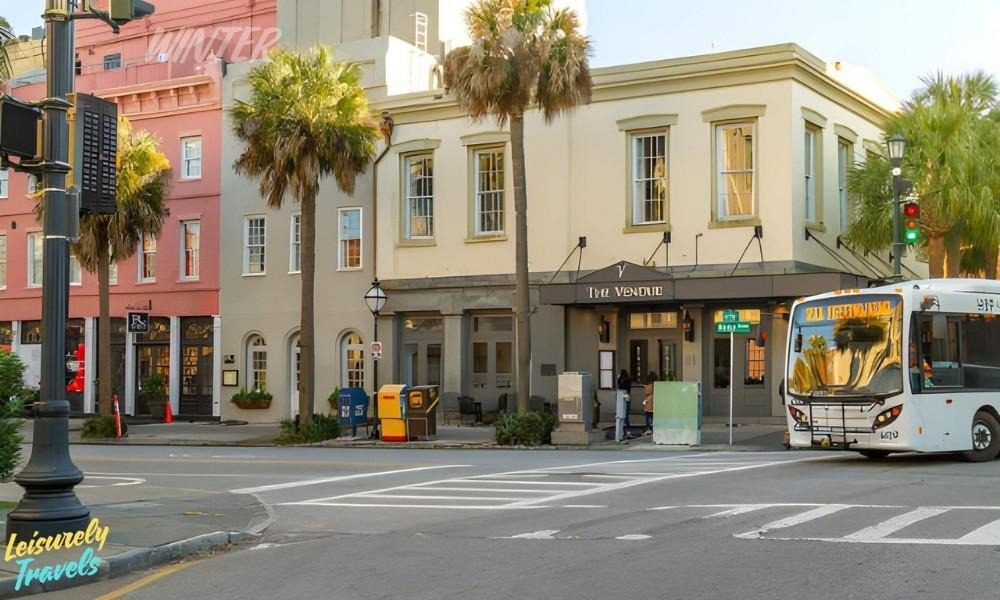
In winter, Charleston settles into a slower rhythm. As the city’s off-season, it brings lighter crowds and a calmer feel that suits first-time visitors well. It’s also one of the more budget-friendly windows hotel rates often drop, and flights can be cheaper outside the holidays.
Weather and Seasonal Comfort
Winter in Charleston stays fairly mild. Most days fall somewhere in the 40s to 60s, with barely any snow and few true freezes. For current conditions or storm season updates, the National Weather Service Charleston office is the most reliable source.
That mild stretch makes sightseeing genuinely comfortable, and it’s a practical window if you’d rather skip the heavier storm risk that tends to peak between August and October.
Why Winter Feels Special in Charleston
December carries real festive energy, and the city leans into it. Valentine’s Day draws its own attention too, thanks to Charleston’s reputation for romantic settings. Much of winter’s charm comes from these seasonal touches rather than any single big event.
Seasonal Highlights
- Festival of Lights on James Island Running November through December, with a carousel, s’mores, a driving tour, and light displays that stay festive without tipping into overwhelming.
- January oyster celebrations A solid pick for food lovers, mixing local flavor with live music and easygoing contests.
- Winter jazz events Live jazz adds an extra layer of character to the season.
Style, Streets, and Holiday Atmosphere
One of winter’s quieter pleasures is the holiday style sharp coats, festive outfits, and historic homes dressed in seasonal décor. Wreaths, garlands, and decorated trees show up across porches and piazzas. Even a short walk through the city feels a little more elevated this time of year.
The Best Way to Explore
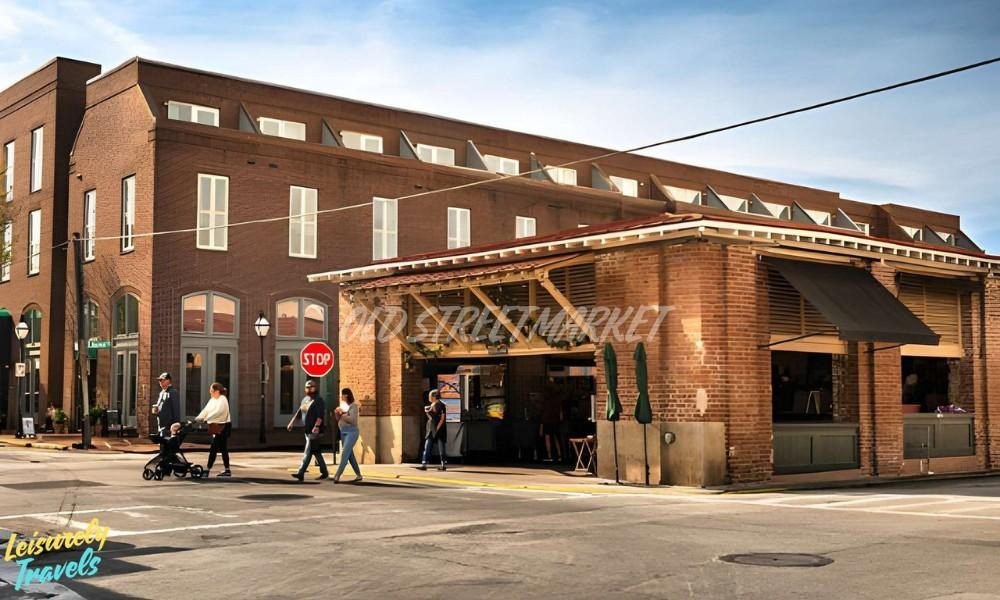
Winter is one of the best times to explore Charleston on foot. Cooler air makes walking the historic streets more comfortable, and a Lowcountry tour tends to feel especially worthwhile in this weather.
Tip: For a more local take on the city, guided walking tours are worth booking ahead winter slots fill up faster than the season’s quiet reputation suggests.
Places to Add to Your Winter Itinerary
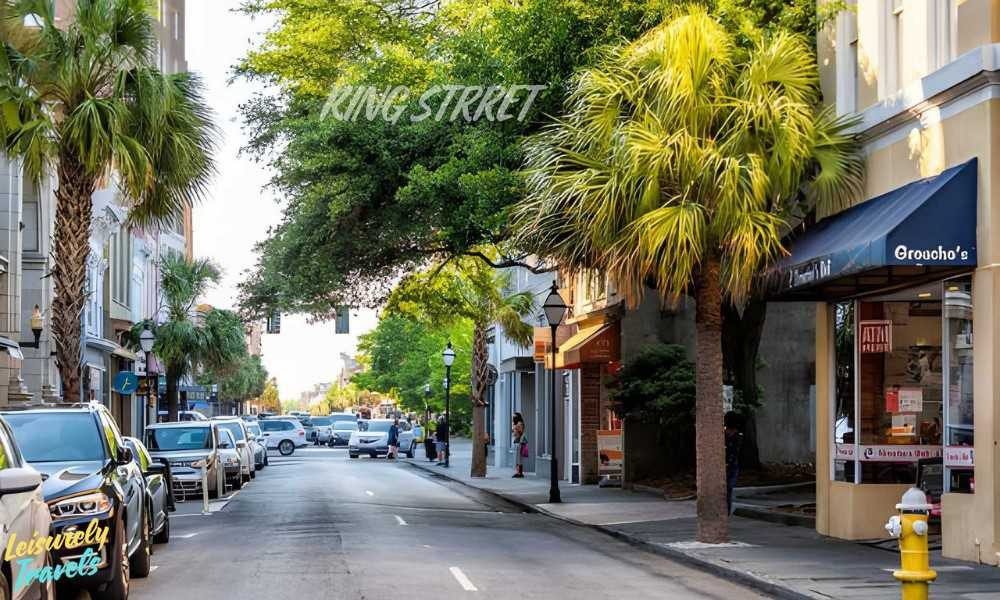
- King Street for holiday shopping and window displays
- The Cistern for seasonal light displays
- Colonial Lake for a scenic winter walk
- Boone Hall for a classic holiday outing
- Holiday Swing shows for seasonal entertainment
- A local street festival that captures the season’s spirit
Spring in Charleston

Spring is one of the strongest seasons for flowers, festivals, garden tours, and generally easy sightseeing weather. The city feels brighter and busier, which is exactly why this stretch pulls in some of the year’s biggest visitor numbers.
It’s also peak season. Hotels fill fast, popular restaurants stay busy, and the best-loved sights draw steady crowds. Booking early makes a real difference here.
Weather That Makes Exploring Easy
Spring temperatures sit comfortably for most visitors. Days typically start in the 60s and climb into the 80s, with many afternoons settling closer to the mid-70s. That balance makes it a strong season for long walks, outdoor dining, and relaxed sightseeing. A carriage ride through the historic district feels especially fitting in weather like this.
Where the Season Feels Most Beautiful
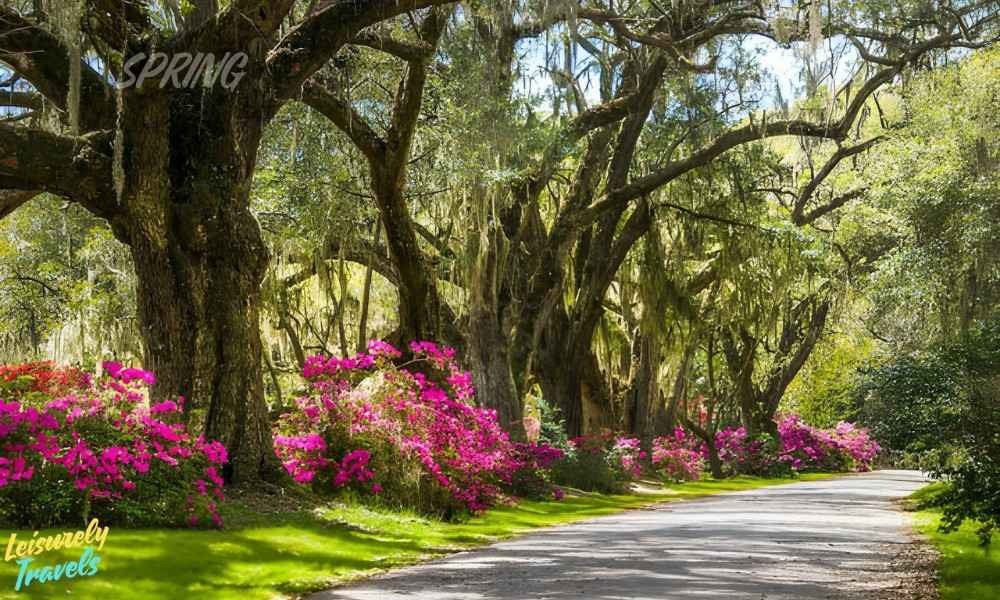
Spring brings fresh energy to Charleston’s historic spaces. It’s a good time for a plantation visit, where blooming gardens and soft light make the landscape feel especially alive. Across the city, the architecture reads a little sharper and the streets feel more animated.
Signature Spring Experiences
- Food + Wine A standout event built around Charleston’s food scene, with tastings, demos, and well-known chefs.
- Houses and Gardens A seasonal favorite that opens up private historic spaces to visitors.
- Spoleto One of the season’s cultural high points, bringing performances and creative energy citywide.
The Cultural Side of Spring
From March through May, Charleston stays active with festivals, tours, and outdoor events. By June, the air turns warmer and more humid, which shifts the whole rhythm of the season. Spring also brings a fuller calendar of music, opera, theater, dance, and visual arts, giving the city a more polished feel through these months.
Gardens, Homes, and Historic Beauty

This is one of the better windows for Charleston’s house and garden tours. Private gardens and historic homes open up, often through programs tied to the Historic Charleston Foundation, for a closer look at the city’s design history and preservation work.
What to Plan for in Advance
Demand peaks around Easter, spring break, major festival weekends, and the house and garden tours. Booking hotels, tickets, and dinner reservations early is worth the effort.
Late Spring for a Softer Pace
For travelers who want warm weather without the busiest early-season rush, late spring is a strong window. Sightseeing stays easy, beach days are possible, and the city keeps its seasonal glow without the sharpest crowds.
The Flowers That Define the Season
Spring’s beauty in Charleston comes largely from its flowers. Through the season, expect to see:
- Camellias
- Azaleas
- Roses
- Gardenia
- Jasmine
These blooms are a big part of what makes a spring walk through the city feel worthwhile.
Summer in Charleston
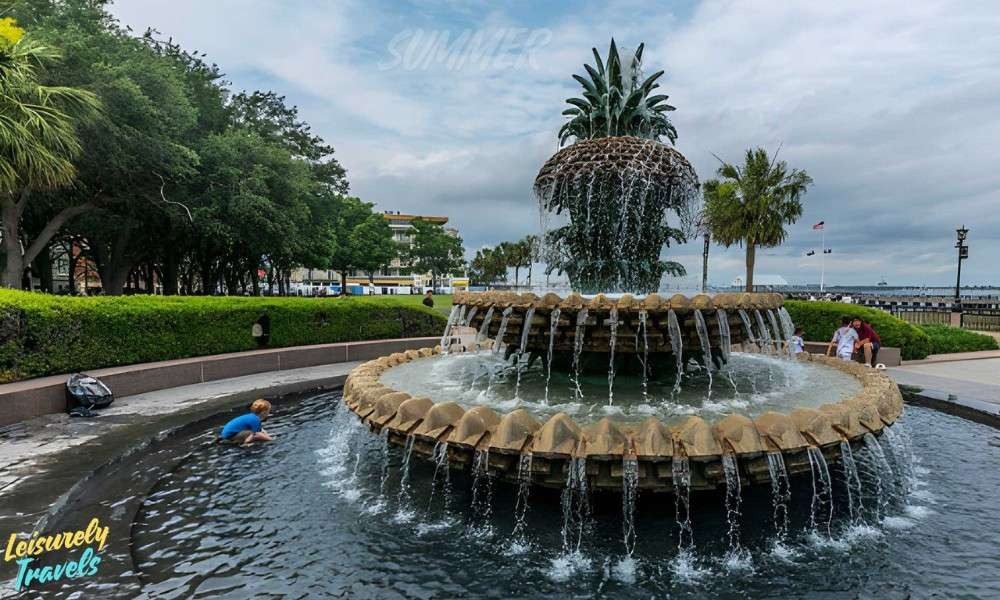
Summer in Charleston feels bright, humid, and thoroughly coastal. It’s an easy vacation rhythm, especially for families looking for straightforward outdoor time. It’s also the hottest stretch of the year temperatures usually run from the 80s into the 90s, so this season suits travelers who don’t mind heat in exchange for beach time.
What the Weather Feels Like
Warmth defines summer here. Early in the season, long sunny days give the city an energetic feel; later, heavier humidity can slow even short walks down. Afternoon rain showers are common and usually pass quickly, but they’re worth building into any outdoor plans.
When Summer Feels Busiest
Early summer brings the year’s biggest crowds, especially once school lets out. Around July 4th, hotels fill up and restaurants get noticeably busier. June and July carry that classic summer-vacation feel beach days, good meals, and time near the water.
Why Late Summer Can Be a Smart Choice
By August, the city tends to quiet down a little fewer crowds, more breathing room, sometimes lower hotel rates. It’s a solid window for travelers who still want summer heat without the peak-season intensity. Into September, beach days are still on the table while the rush continues to ease.
Best Coastal Escapes
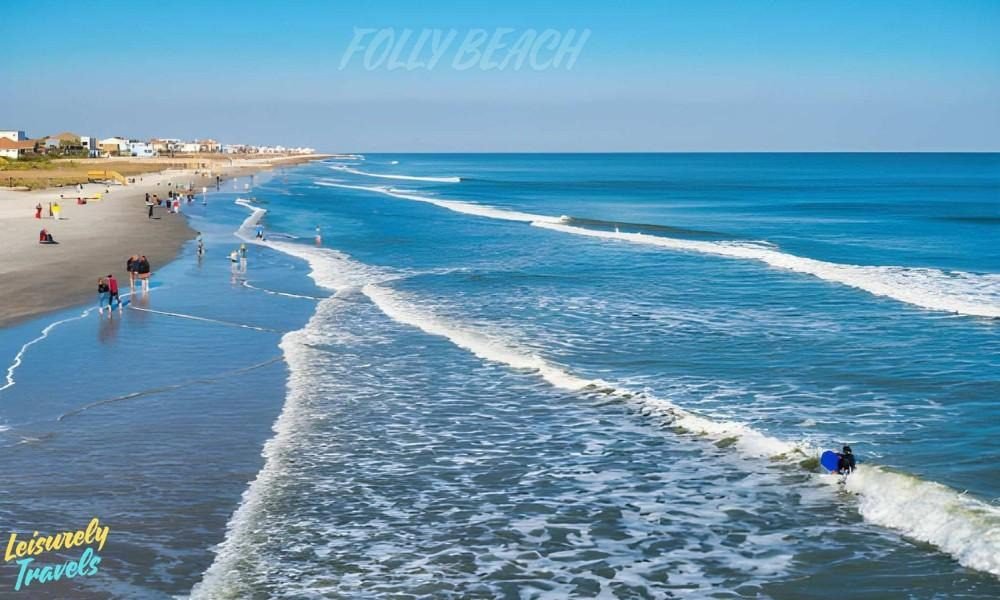
Summer’s beaches are one of the season’s biggest draws for first-time visitors. Two of the most popular options:
- Folly Beach for a lively, relaxed beach-day feel
- Sullivan’s Island for a quieter, easygoing coastal escape
Both work well for long afternoons by the water.
The Best Way to Cool Off

On the hottest days, a boat tour through the harbor is one of the better options noticeably cooler on the water, and the city looks different from that angle entirely.
Why Families Still Love This Season
School schedules make summer the simplest window for longer family trips, which keeps it a practical choice despite the humidity. Beaches, casual activities, and long daylight hours still make it a popular pick.
Where to Eat After the Beach
A few spots that fit the post-beach mood especially well:
- Sullivan’s Fish Camp
- Obstinate Daughter
- Poe’s
A cold frosé from Co-op is a solid way to cool down in the afternoon.
Small Details That Make Summer Feel Special
Part of summer’s charm is in the small things the scent of gardenia in the air, crepe myrtle adding color to the streets, and both locals and visitors drifting toward patios and porches for dinner.
Fall in Charleston

Fall is one of the more appealing seasons for first-time visitors. It’s still part of the busier travel period, but the overall feel tends to be softer and easier to settle into. Weather plays a big part in that. As summer fades, hurricane risk eases, and temperatures gradually shift from the 80s down into the 70s and sometimes the 60s.
The Comfort of the Season
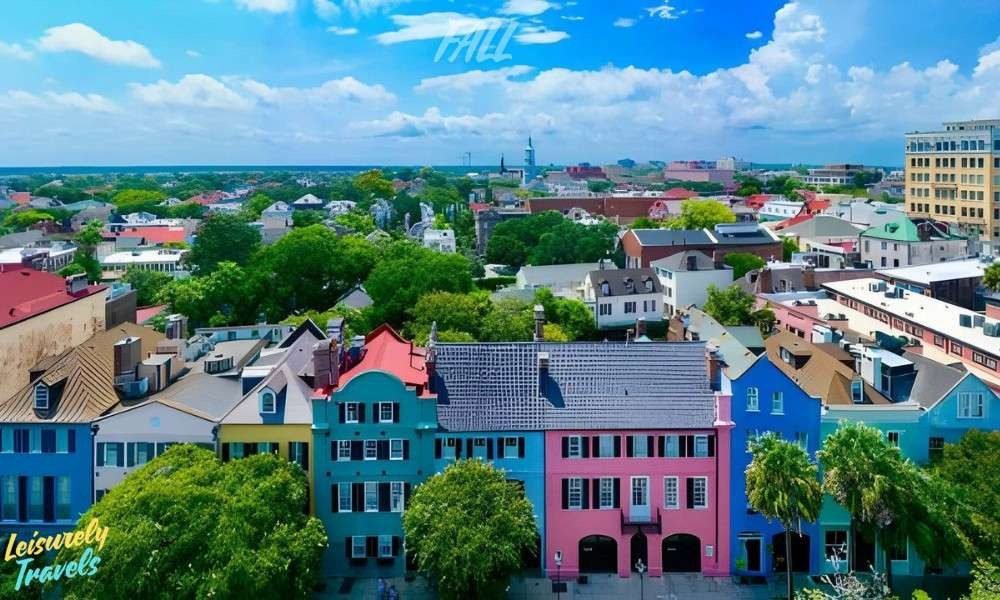
That cooler shift makes sightseeing noticeably more pleasant. Spots like Fort Sumter, Rainbow Row, and Charles Towne Landing feel more enjoyable once the heat backs off. Fall stays popular, and hotels can still run busy, but the overall pace feels more relaxed than peak summer or spring.
The Best Months to Visit
For a good balance, October and November tend to be the sweet spot the city still feels lively, but there’s more room to slow down and enjoy each stop without summer’s pressure.
Seasonal Experiences Worth Planning For
Boone Hall becomes a family favorite with its pumpkin patch, petting zoo, and corn maze Restaurant Week is a good window for exploring local dining Fall tours open up beautiful homes and give a strong sense of the city’s history The MOJA Arts Festival, starting in September and often running into mid-October, celebrates African-American and Caribbean culture
What Fall Looks Like in Charleston
Travelers expecting the dramatic leaf color of the Northeast or North Carolina will find Charleston’s version softer and more understated still a real seasonal shift, just a gentler one. Sharp autumn chill isn’t really part of the picture, but mornings and evenings often carry a light crispness that makes walking the city feel fresh.
What to Wear
Dressing simply tends to work best here in fall. A few basics can make a big difference:
- A light sweater
- Comfortable flats
- Easy layers for cooler mornings and evenings
That kind of wardrobe holds up well for long walks through the historic streets.
The Seasonal Atmosphere
By October 1st, the city starts leaning into its festive side with Halloween touches, seasonal décor, and more evening ghost tours through the historic district. That extra bit of autumn spirit is a big part of why fall often gets called the best time to visit Charleston for first-timers.
FAQS
In spring and fall, generally the weather stays mild and sightseeing is more comfortable than in peak summer or winter.
Pleasant and mild, with blooming flowers and comfortable conditions for walking, touring, and outdoor dining.
Yes, April sits well inside spring’s festival season and its best sightseeing weather.
Winter, generally hotel rates tend to drop and crowds thin out outside the holidays.
Winter, which also makes it a good pick for a slower, more relaxed visit.
Beach days, boat tours, and family-friendly activities though it comes with more heat and humidity than other seasons.
Three to four days is usually enough for a first visit time to see the historic district, eat well, and catch a seasonal highlight or two.
Conclusion
Charleston works as a year-round destination, but for a first visit, spring and fall stand out the weather, the scenery, and the pace all make sightseeing easier during those months.
Winter suits travelers who want to save money and skip the crowds, while summer leans into beach time and family trips despite the heat. The right season really comes down to what you’re optimizing for festivals, lower costs, fewer tourists, or coastal summer energy.
Planning a babymoon instead? This Charleston babymoon guide covers stays and experiences worth building a trip around. For general trip planning, Explore Charleston, the city’s official tourism site, is a solid source for current events and seasonal updates.

