

Introduction
Somewhere between Zurich’s crowds and the quiet of the Alps sits Chur, Switzerland’s oldest city. It rarely tops the usual Swiss itinerary, yet it holds cobblestone streets, a cathedral dating back centuries, and a history stranger than most travelers expect.
This guide covers everything worth knowing before visiting Chur, Switzerland, from wandering the car-free Old Town to boarding the Bernina Express right from the station. Day trips to Liechtenstein and Davos sit within easy reach too, along with hikes, museums, and a surprisingly dark past tied to a notorious old prison.
Whether it’s one day or three, this city rewards slow exploration over a packed checklist. The quick facts below cover the essentials before diving into everything Chur has to offer.
Chur at a Glance
| Category | Details |
| Region | Graubünden (Grisons), Switzerland |
| Known For | Oldest city in Switzerland, gateway to the Alps |
| Population | Around 41,000 residents |
| City Size | Just under 11 miles across |
| River | Sits along the Rhine River |
| Local Pronunciation | “Koer” |
| Currency | Swiss Franc (CHF) |
| Ideal Trip Length | 1 day for the essentials, 2–3 days with day trips |
| Best Time to Visit Chur | Shoulder season (April) for fewer crowds; June–August for peak summer; December–March for snow and skiing |
| Nearest Border Town | Liechtenstein, under 1 hour away by train and bus |
| Getting Around | Highly walkable, car-free Old Town (Altstadt) |
| Famous Trains | Starting point for the Bernina Express and a stop on the Glacier Express |
| Local Perk | Free Chur Guest Card with any overnight stay |
| Notable Resident | HR Giger, creator of Alien |
Why Visit Chur?
Chur holds the title of Switzerland’s oldest city, sitting right at the gateway to the Alps. People often call it the bridge between Germany and Italy, and it’s also the starting point of the Bernina Express. Leafy vineyards and heritage buildings fill the landscape, with mountains surrounding the city on nearly every side. Life here moves slower than most places, and locals even have a word for that pace Pacific.
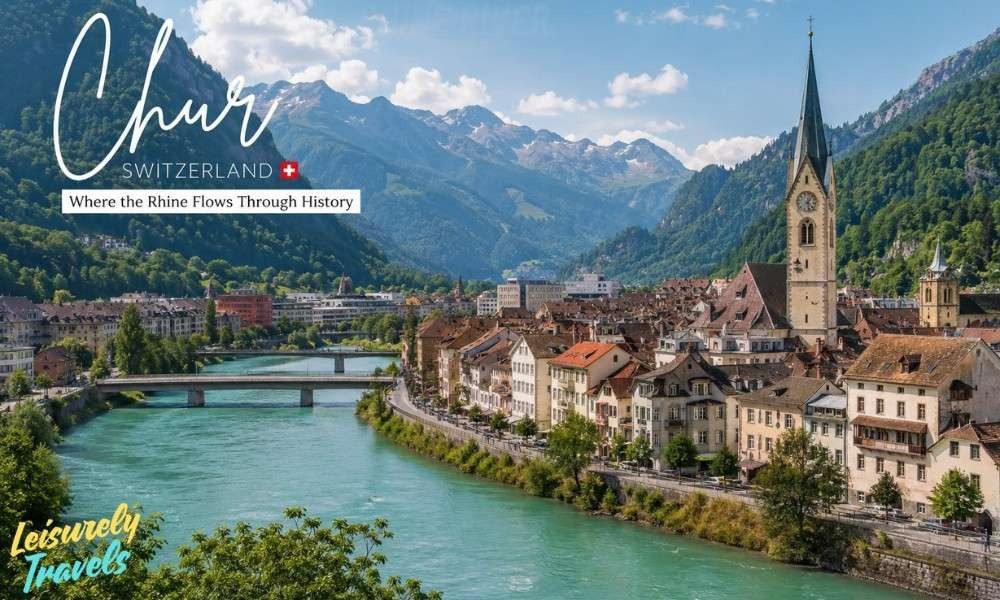
That relaxed rhythm settles into you fast, part of what makes this city feel like such a hidden gem. The city sits at the heart of Graubünden, a picturesque Swiss region, and also serves as the canton’s capital. The Rhine River runs right alongside this charming town, pronounced “Koer,” with history stretching back further than most places in Europe. Farmers settled here thousands of years ago, making Chur the oldest settlement in Switzerland.
Walking the cobblestone streets, that history feels close, with old buildings lining nearly every corner. Chur also works as a solid base for exploring the Swiss Alps, with some of the region’s best hiking trails starting nearby. If visiting Chur, Switzerland is on your list, expect history, nature, and adventure all in one place. It’s genuinely a city not to be missed.
The Surprising Dark Side of Chur
Sheltered by the mountains, Chur sits in a kind of splendid isolation, and that isolation comes with a darker edge. This city was once home to famous artist HR Giger, best known as the creator of Alien. Chur also housed the most notorious prison in Switzerland, closed off to locals for 200 years straight.
That same jail has since been reborn, its darkness replaced with new life as a hostel. Whether you’re a hiker, a train geek, or just curious about Giger’s ties to this place, Chur has an angle for every kind of traveler.
Where Is Chur & How to Get There
Chur sits about 28 minutes by car from where Switzerland borders Liechtenstein. It’s the oldest city in the country, and it bills itself as one of Switzerland’s most historic spots too. Given that reputation, it’s surprising more travellers haven’t caught on yet.
Getting to Liechtenstein from here barely takes any planning. A train from Chur to Sargans, followed by a short bus ride to Vaduz, gets you across the border in under an hour. It’s an easy way to squeeze in a new country by visiting Chur, Switzerland. Curious about other spots across the continent? Our Europe travel guides cover destinations from the Alps to the Aegean.
How Many Days Do You Need in Chur?
A single day covers the essentials well, enough time to wander Old Town Chur, visit the cathedral, and grab a meal at one of the local spots. It’s a solid option for anyone passing through en route to the Alps. Two to three days opens things up considerably. That extra time allows for a hike up Brambrüesch, a day trip to Liechtenstein or Davos, and a proper ride on the Bernina Express or Glacier Express without feeling rushed.
For most travellers, 2 days in Chur hits the right balance between exploring the town itself and fitting in at least one nearby excursion. If Chur is just one stop on a bigger trip, our full 5-day Switzerland itinerary maps out how to fit it alongside other cities too.
Planning your trip to Chur? Our free currency converter makes it easy to check exchange rates before you go, so you know exactly what you’re spending in Swiss francs.
Best Time to Visit Chur
Most travelers pick summer, from June to August, as the best time to visit Chur. Temperatures stay pleasant, and it’s perfect for hiking or mountain biking in the surrounding mountains. Longer days give you more time to soak in the nature and sights around the city, though this also happens to be the busiest tourist stretch of the year.
Accommodations run at their most expensive during summer, so sticking to a budget usually means aiming for spring or fall instead. A visit in April turned out to be a solid choice, with mostly good weather, occasional cloud cover over the mountains, and the odd bit of rain. Winter works too, thanks to several nearby ski resorts for anyone chasing snow.
Springtime carries its own kind of magic here. Early April counts as shoulder season in Switzerland, and wandering through Chur during this window feels a bit like wandering an abandoned movie set left in immaculate condition. Crowds thin out almost completely, and the winding cobblestone streets can stretch on without a single soul in sight.
The weather stays tepid, sometimes cool, but sunny more often than not. It ends up being close to ideal for slowly delving into Old Town Chur. Timing matters everywhere you travel, and our seasonal travel guides break down when to go for other destinations, too.
Exploring Chur’s Old Town (Altstadt)
Cobblestone Streets & Colorful Architecture
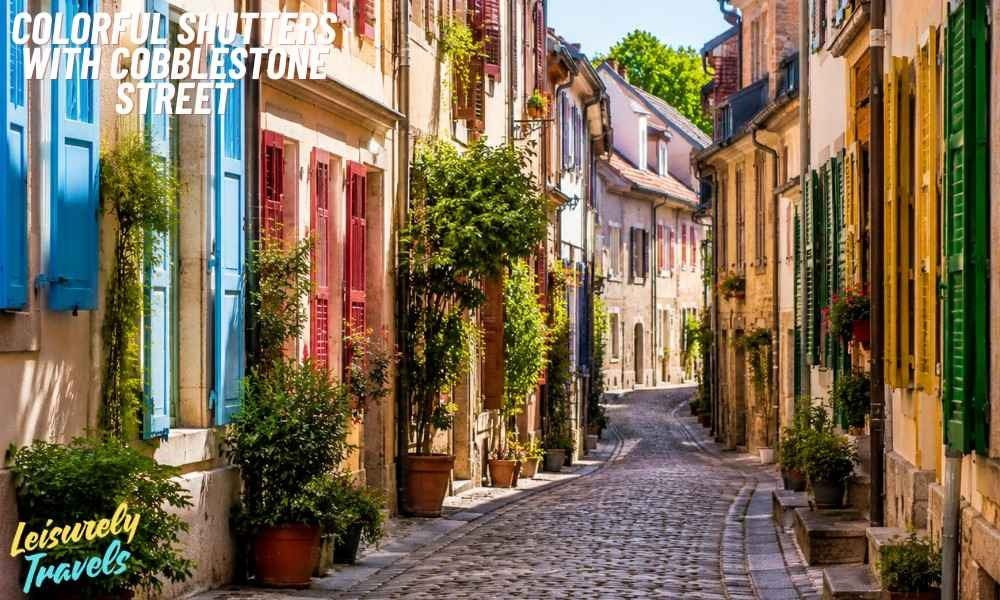
Walking through Old Town Chur feels remarkable once it sinks in, this stretch carries thousands of years of settlement history underfoot. Eye-catching architecture waits around every turn, from brightly colored shutters to intricate woodwork framing the doorways. Charming windowsill flower beds and eaves finish the look, making even a simple stroll here feel worthwhile.
This part of the city ranks among the most walkable in Switzerland. Early springtime gives it a quiet, almost open-air museum feel, closer to a ghost town than a busy tourist stop. The entire historic core stays car-free, which only deepens that movie-set kind of ambiance while saving you money on transport too.
Getting a little lost here feels more like a feature than a flaw. The winding cobblestone streets hide coffee shops, niche boutiques, local pubs, and small restaurants worth stumbling into. Around nearly every corner sits another brightly colored building, a hidden chocolate shop, or a fountain worth pausing for.
If you’re exploring Chur’s Old Town, skip the map for an hour. Peruse the boutiques, follow whatever catches your eye, and let the city’s abundance of fountains guide the way.
Arcasbrunnen
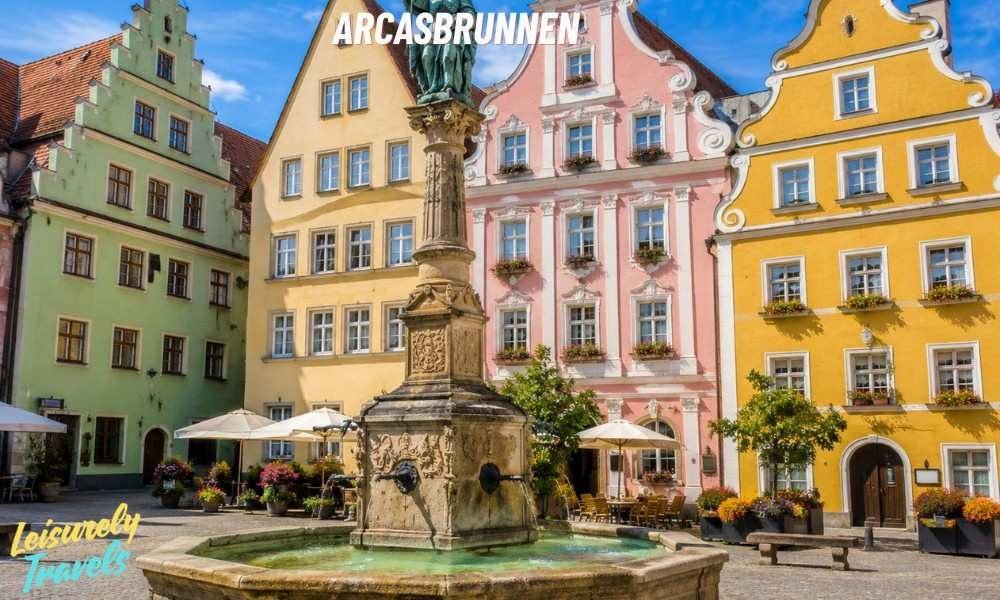
The square around Arcasbrunnen ranks among the most beautiful spots in Chur. Colorful historic houses wrap around the whole area, and a few buildings even carry hand-painted murals worth stopping for. The setting makes it one of the most photogenic corners of the city.
The fountain itself stands out as something unusual, an ornate cluster of statues built around a mythological scene. Nice stores and restaurants sit close by, making it an easy spot to linger a while.
Hofturn
The Hofturn tends to be one of the first structures travelers notice in Chur. Solid details on its history are hard to come by, but it’s a tower built around an old gate, with a flight of stairs leading straight through it. Ancient shields decorate the façade, giving it a genuinely beautiful, weathered look.
Standing on either side of the tower opens up views of two important churches nearby, the Reformierte Martinskirche and the Kathedrale St. Martin Mariä Himmelfahrt. Both sit close enough to fold naturally into the same walk.
Historic Landmarks & Churches
Chur Cathedral
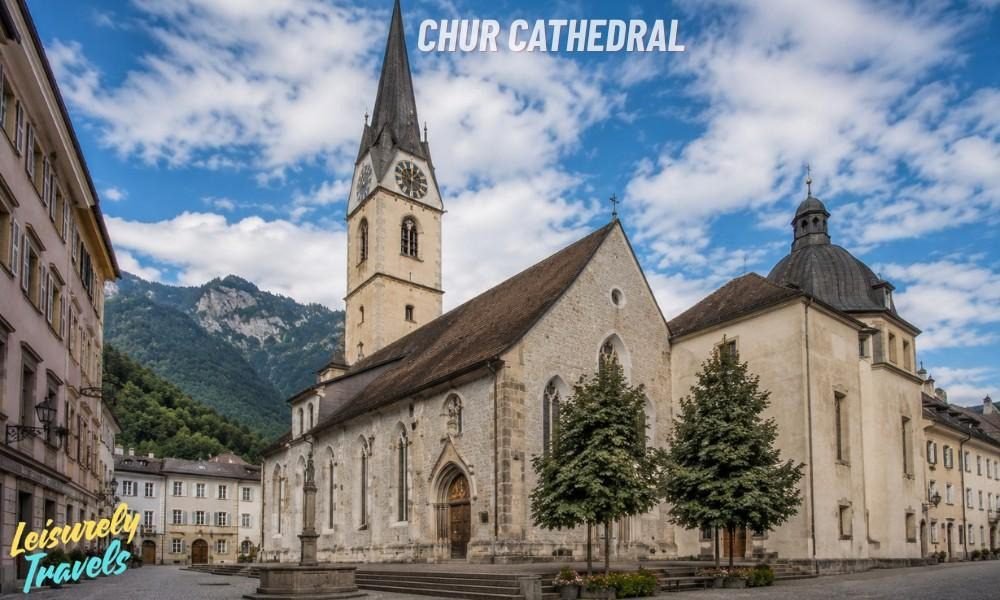
Chur Cathedral, also known as Saint Mary of the Assumption Cathedral, blends Romanesque and Gothic architecture into one striking Catholic church. Perched on a hillside and surrounded by lush vineyards, the Episcopal Court holds both the 800-year-old cathedral and the neighboring Bishop’s Palace. A golden Gothic altar sits inside, dedicated to the Assumption of the Virgin Mary, standing in sharp contrast to the exterior’s Eastern-influenced design shaped by nearby ancient trade routes.
The cathedral runs three naves wide, with its central nave carved from rock sourced from Scalära. Six columns hold up the main entryway, each supported by six colored archways framing the portal. Inside, the Gothic altar designed by Jacob Russ, the carved choir, and a striking stained-glass arched window round out the standout features.
Walking through Chur’s Old Town, this cathedral is impossible to miss, dating all the way back to the 12th century. It’s a solid stop for anyone tracing the historical flair running through this Graubünden city.
St. Martin’s Church
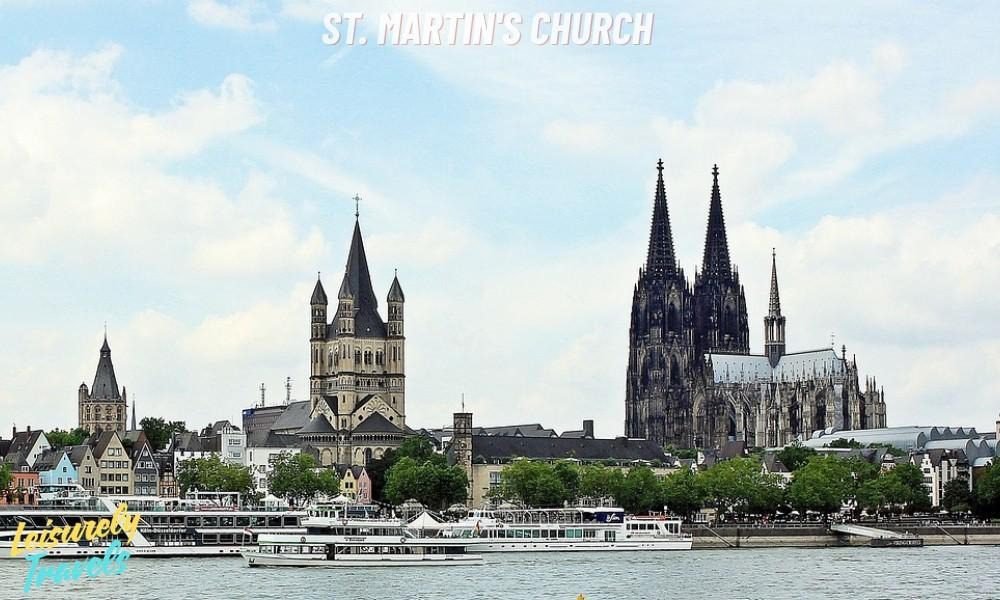
The Gothic spire of St. Martin’s Church leaves a lasting mark on the skyline of Old Town Chur. Built in the eighth century as a tribute to St. Martin, Bishop of Tours, the original Romanesque church burned down in 1464 and was rebuilt in Gothic style, completed by 1491.
A striking brick facade and a slender 60-meter-high tower make this one of Chur’s most recognizable landmarks. The white clock tower face and pointed black spire sit right in the center of town, and the view from the tower over Old Town shouldn’t be skipped.
The church saw substantial renovation again in the early twentieth century, when it gained three stained-glass windows by Augusto Giacometti, depicting scenes from the Christmas story. That ethereal detail still draws a second look from anyone stepping inside.
Museums Worth Visiting
Domschatz Museum
Right across from the cathedral sits the Domschatz Museum, home to a genuinely impressive collection of religious artifacts. Ancient manuscripts, liturgical vestments, and precious liturgical objects fill the space, alongside a remarkable cycle of murals dating back to 1543.
The museum runs Tuesday through Sunday, 11 a.m. to 5 p.m., shifting to a shorter 2 to 5 p.m. window during winter. Tickets cost CHF 8, though the Chur guest card knocks the price down a bit. Current hours and any closures are worth checking on the official Domschatz Museum site before visiting.
Rätisches Museum
The Rätisches Museum ranks among the first things worth doing once you arrive in Old Town Chur. Spread across four floors, it offers real context on the canton’s history, Chur’s earliest days, and its medieval legacy. Anyone who enjoys thorough museum visits could easily lose a couple of hours here.
Sitting right in the Altstadt, this counts as one of Chur’s main attractions for understanding Graubünden’s culture and history. The carefully presented artifacts trace how the region has shifted over centuries, building a real sense of its unique identity and traditions.
The museum runs Tuesday through Sunday, 10 a.m. to 5 p.m., and stays closed on Mondays. Entry costs CHF 6 for adults, CHF 4 for students, and free for children under 16, with a further discount available through the Chur guest card.
Graubünden Art Museum
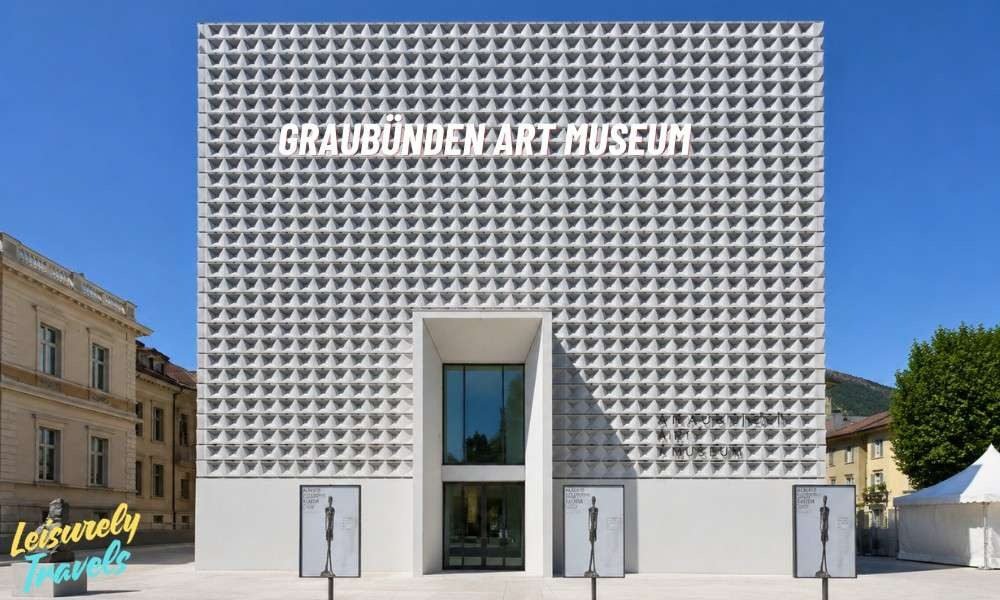
Just a two-minute walk from Chur Railway Station sits the Graubünden Art Museum, home to over three hundred years of regional art history. The heritage building, Villa Planta, pairs with a striking recent extension designed by Barozzi Veiga, together spanning 1,200 square metres and housing around 8,000 pieces of art.
Contemporary art gets strong focus here, featuring artists with deep ties to Graubünden, including Angelika Kauffmann, the Giacometti family, Ernst Ludwig Kirchner, and the artist group Rot-Blau.
Entry runs 15 CHF for adults, with kids under 16 getting in free. Anyone staying overnight in Chur also qualifies for the Chur guest card, which unlocks free access here along with the Raetian Museum and the Graubünden Museum of Natural History.
Roman Excavations
Few people expect Roman excavations tucked into a Swiss city, yet Chur has exactly that. They sit near the Brambrüesch cable car station, protected inside a special building designed by local architect Peter Zumthor.
Access isn’t automatic, though. For CHF 5, a key can be borrowed from Chur Tourismus at Bahnhofstrasse 32, unlocking entry to these genuinely extraordinary excavations.
Street Art & the Legacy of HR Giger
Chur is home to one of the world’s most renowned street artists, BANE. His murals, astonishing in both scale and detail, spread across several corners of the city. Unmissable works include Mühleturm, dubbed the city’s creative landmark and the largest mural painting in all of Switzerland.
Another standout piece, “I Have a Dream,” dates back to 2015 and was painted alongside fellow street artist Pest. Speaking of artists tied to Chur, the city also holds a futuristic Giger Bar, a tribute to the creator of Alien.
Hiking & Outdoor Activities
Brambrüesch Cable Car & Hikes
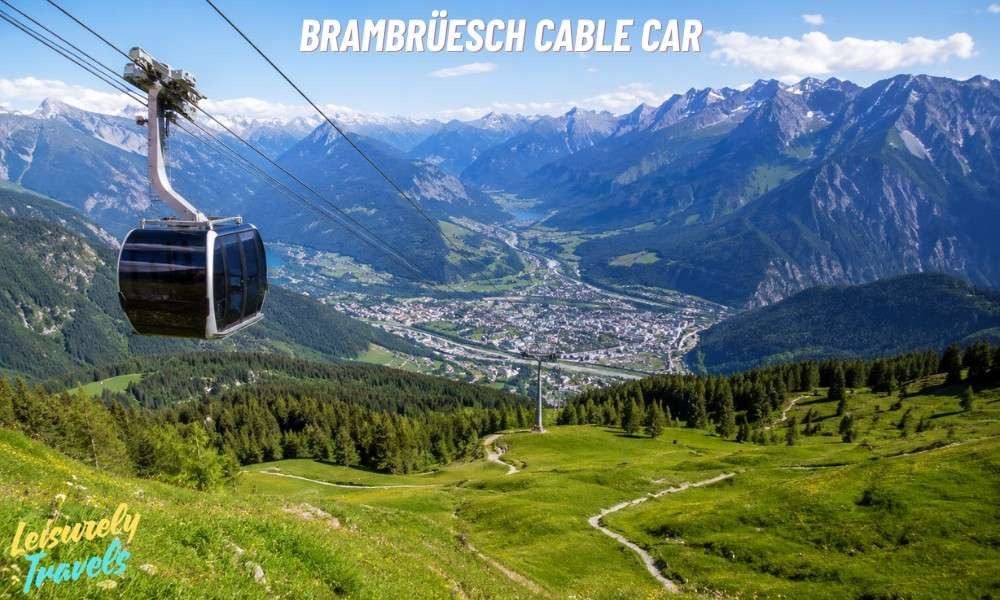
Directly above Chur, easily reached by cable car, Brambrüesch turns into a hiker’s paradise come summer. Glorious meadows filled with diverse Alpine flora open onto panoramic views stretching toward Arosa, the Schanfigg, and the Lenzerheide.
The trail starts gently through forest toward Malixer Alp, where the Bergbaiz serves hearty, affordable Alpine cuisine for anyone needing a lunch stop. From there, the climb toward Galti-Alp turns more scenic, reaching the highest point of the hike with genuinely spectacular surrounding views.
Even as a hiking novice with a mild fear of heights, this stretch felt like a unique experience worth the initial nerves. A gradual descent leads into Pradaschier, where a cozy mountain restaurant and sun terrace invite a drink or some hearty Graubünden fare like Capuns.
The real highlight, though, is the descent to Churwalden by toboggan, a three-kilometer run with 31 bends, some sharp hairpin curves. It’s listed in the Guinness Book of Records as Europe’s longest track-guided toboggan railway, priced at 18 CHF for adults and less for kids.
The Chur guest card knocks 50% off the Chur-Brambrüesch cableway too. From Chur, the gondola climbs to a 1,600-meter summit, delivering fantastic views for anyone making this their first stop outside the city.
Mittenberg Hike
Rising on the eastern side of Chur, Mittenberg reaches an elevation of 1,114 meters and makes for a genuinely worthwhile hike for anyone chasing great views. It’s a real challenge too, with trails turning quite steep in stretches.
Reaching the summit rewards hikers with a panoramic view over Chur and the surrounding mountains and valleys. Cloud cover can occasionally block the payoff at the top, though most agree it’s worth trying again on a clearer day.
From the station, a circular route to the top and back runs about 10 kilometers, with roughly 550 meters of ascent and descent combined. Starting from the Altstadt shortens the walk a bit, and a solid route for planning the hike can be found on Komoot.
Urban Golf
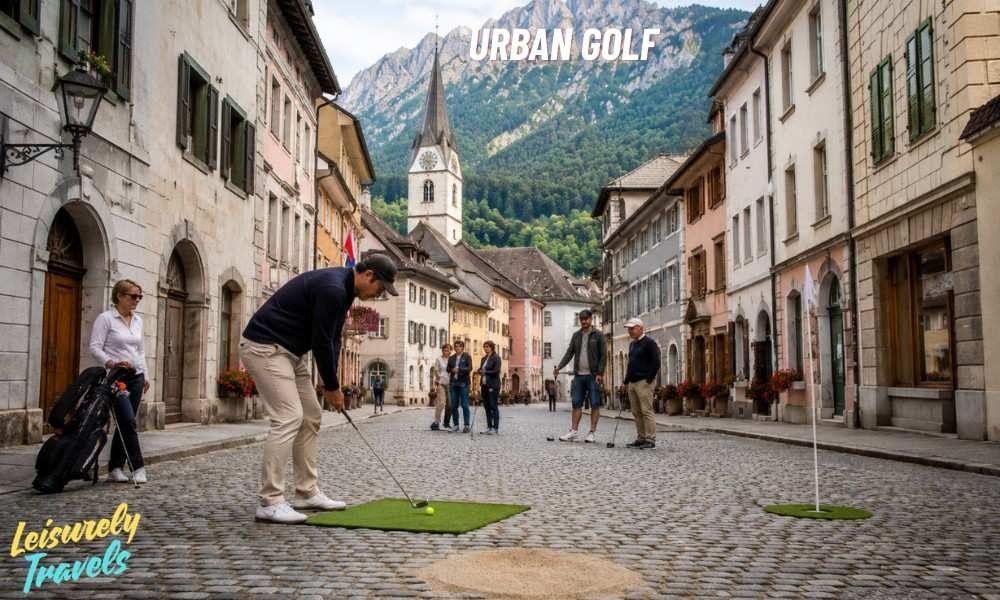
Exploring Chur’s main sights gets a playful twist with Urban Golf. Rather than a traditional course, this version plays out across narrow, winding cobbled streets, disused industrial warehouses, and even school playgrounds around the city.
For a small fee, the tourist information office hires out golf clubs and a soft ball, along with a map covering 9 holes spread across alleys and plazas throughout the picturesque Old Town. It’s a genuinely fun way to interact with the city, pulling you into corners of town you’d otherwise miss entirely.
Locals and tourists alike tend to react with equal parts wonder and amusement watching this unfold, and there’s rarely a dull moment. It works for pretty much any age group too.
Playing the full course with friends or family costs 15 CHF, and finishing all 9 holes typically takes 2.5 to 3 hours. A refundable deposit of CHF 10 per person is required in cash when picking up equipment at Tourist Information, Bahnhofstrasse 32, and that deposit comes back once everything’s returned.
Where to Eat in Chur
Deciding where to eat in Chur honestly comes down to mood more than anything else. The Old Town alone covers everything from hearty Swiss classics to Tibetan noodles.
Charly’s Bierhalle
Charly’s Bierhalle looks unassuming from the outside, but the inside carries a warm, cozy neighborhood feel. The atmosphere stays laid back, and service comes across genuinely excellent from the moment you walk in.

Rösti, Switzerland’s national dish, headlines the menu here, often served with Bratwurst for around CHF 19.50. A typical meal for two, with drinks and complimentary bread, lands around CHF 56.50, including tax.
Tip: Rösti pairs well with several accompaniments beyond Bratwurst, so it’s worth asking your server what’s on offer that day.
Café Zschaler
Tucked behind a quaint white gate in Obere Gasse, Café Zschaler opens into a large courtyard perfect for a relaxing break. The menu covers coffee, teas, baked goods, and light bites. Small extras like water or ketchup do come priced separately here, so the final bill can add up faster than expected. Still, the view and atmosphere make it worth the pit stop.
Tip: Café Zschaler charges for nearly everything individually, right down to ketchup and water, so budget a little extra.
Da Mamma’s
For something more budget-friendly, Da Mamma’s serves homemade Italian food at genuinely fair prices. A two-course vegetarian lunch runs just 16.30 CHF, ranking among the best lunch deals in Old Town Chur.
Yaal
Yaal brings South Indian and Tamil flavors into the mix, a nice change of pace from typical Swiss fare. Their lunchtime buffet starts around 19.90 CHF, making it an easy, filling midday stop.
Kostbar
Sitting right next to the Bogentrakt Hostel, Kostbar mixes local dishes like Churer Fleischtörtli with comfort food such as burgers and curries. Prices start from 14 CHF, keeping it accessible for most budgets.
Tip: The Coop supermarket nearby also offers salads, sandwiches, and snacks at lower prices for anyone on a tighter budget.
Wok and Momo
Run by a Tibetan family, Wok and Momo rounds out the food scene with stir-fry noodles from 7 CHF and momos around 18.50 CHF. It’s a solid, affordable option after a long day exploring Chur’s Old Town.
Polenta 7000
Keep an eye out for Polenta 7000, a seasonal summer pop-up festival blending affordable food with concerts, DJ sets, and open-air cinema. It’s the kind of local event that adds real character to visiting Chur, Switzerland.
Tip: Smoking is common in Chur, even on restaurant patios, so keep that in mind if it bothers you while dining outdoors.
Day Trips from Chur
The Bernina Express

A ride on the Bernina Express counts as a genuine must while visiting Chur, Switzerland. This train covers one of the world’s most scenic routes, gliding through the Swiss Engadin Alps before ending its journey in the Italian city of Tirano.
Along the way, it crosses an astonishing 196 bridges and 55 tunnels, winding past high-altitude mountain passes, glaciers, and alpine lakes on spiral viaducts. Standout moments include the soaring Bernina Pass at 2,253 meters and the crossing of the famous Landwasser Viaduct, especially the jaw-dropping stretch between Ospizio Bernina and Alp Grum.
Operated by the Rhaetian Railway, both the Albula and Bernina lines earned UNESCO World Heritage status back in 2008. Panorama cars let passengers soak in the views fully, and audio guides in several languages explain the surroundings along the route.
Despite running through the highest railway line in the Alps, the train somehow keeps operating year-round, even through thick winter snow. Tickets and current schedules are available directly through the official Rhaetian Railway site.
Tip: The Bernina Express runs at a premium price, but much of the same route can be travelled on the regional train for less. Large windows and route maps at each table make it a genuinely comfortable, budget-friendly alternative.
The Glacier Express
The Glacier Express starts its journey in St. Moritz, stops through Chur, and continues on to Zermatt. Like the Bernina Express, this route winds through the Alps too, passing mountain rivers, glaciers, and picturesque villages along the way.
Both trains fall under the Rhaetian Railway, offering equally magnificent panoramic rides. Boarding directly from Chur works just as well, making it an easy add-on for anyone already based in the city.
Liechtenstein Day Trip
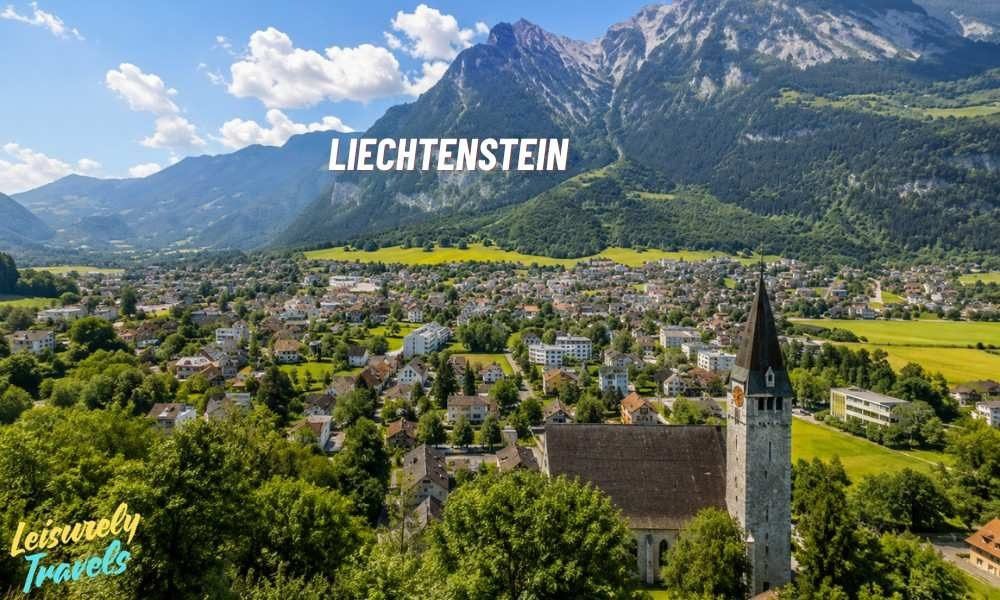
A day trip from Chur into Liechtenstein works well for checking out Vaduz, the nation’s capital, which turns out to be surprisingly tiny. It also pairs nicely with a short hike if the weather cooperates.
Worth building into the day: the Alte Rheinbrücke, Schloss Vaduz (home to the prince, viewable from outside but closed to visitors), and the vineyard belonging to the Prince of Liechtenstein himself.
Tip: Start at the Liechtenstein Center for leaflets and information on the country, and pick up a passport stamp there too, a nice little souvenir from the trip.
Davos
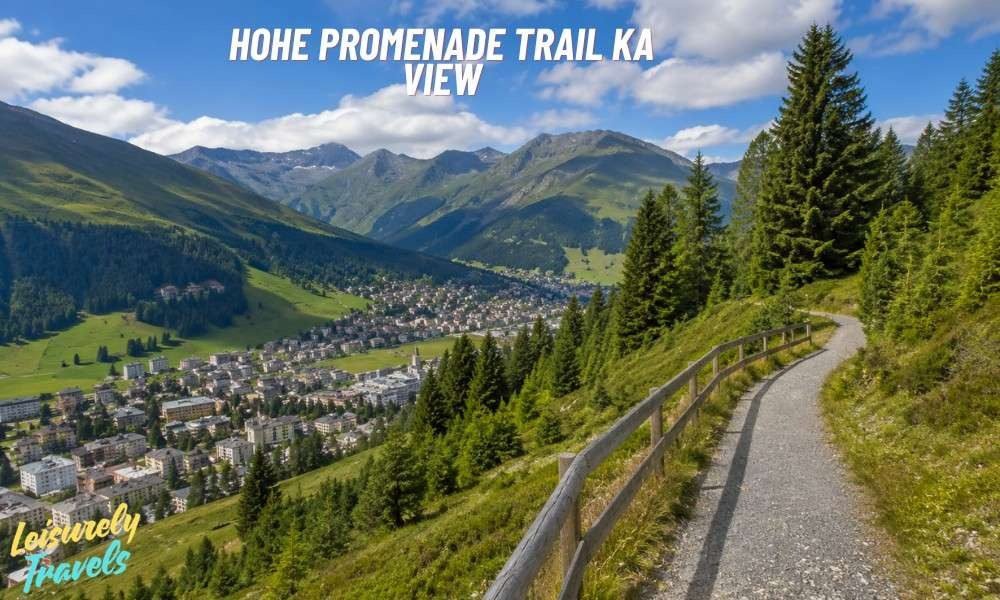
Davos ranks as the highest city in Europe and carries worldwide recognition thanks to its annual World Economic Forum. It also stands out as a top pick for winter sports enthusiasts chasing serious mountain terrain.
Beyond the events and slopes, Davos leans into luxury too, with wellness centers and upscale hotels making it a solid choice for a more relaxing mountain getaway. A walk along the Hohe Promenade trail comes highly recommended, delivering sweeping views over Davos and the surrounding peaks.
Chur also works as a launchpad for several other resorts year-round, including Arosa and Flims. En route to Flims, the imposing Rhine Gorge, nicknamed the Grand Canyon of Switzerland, is worth a stop, alongside the equally striking Viamala Gorge near Thusis.
Wine lovers shouldn’t skip the Bündner Herrschaft either; it’s just a few kilometers from Chur and considered one of Switzerland’s best wine regions.
Landwasser Viaduct Hike
About an hour by train from Chur sits Filisur, a small mountain village known mainly for one thing: the iconic Landwasser Viaduct. This spectacular railroad bridge towers dramatically above a deep gorge, and the train ride alone makes the trip worthwhile. Reaching the viaduct from Filisur Station is straightforward, just a matter of following the signs, with several viewpoints scattered around the bridge itself.
For a second bridge worth seeing, the hike continues along the Landwasser River toward Wiesen, home to the equally striking Wiesen Viaduct, which can also be walked across. A tiny station in Wiesen picks the journey back up by train from there.
The full hike runs a manageable 10.5 kilometers, taking around 3 hours including a lunch break. Gentle ups and downs through the trees, with occasional views of snow-capped peaks, make it far from difficult despite the distance.
The Chur Guest Card
Anyone staying overnight at tourist accommodation in Chur, whether that’s Bogentrakt or any other hotel, becomes eligible for the free Chur guest card. Almost every Swiss city runs a version of this pass, typically handed over by email before arrival or right at check-in.
The card unlocks free public transport within the TransReno fare network (Zone 1, 2nd Class), valid after check-in, though it excludes bikes, dogs, and both the Bernina and Glacier Express. It also covers one free entry to the Obere Au pools or the outdoor sand pool.
Museum access comes free too, covering the Raetian Museum, the Graubünden Museum of Natural History, and the Graubünden Art Museum. On the activity side, the Chur-Brambrüesch cableways offer 50% off ascent and descent, plus 25% off bike day tickets for the Alpenbikepark and Arosa Lenzerheide network.
Cableway tickets stay valid until 5 p.m., excluding evening rides and August 1st specifically, so showing the card at the ticket office in time matters. Overall, it’s a convenient, genuinely inexpensive perk that stacks up fast across transport, museums, and activities during any stay. Full terms and current benefits are listed on the official Chur tourism guest card page.
Where to Stay in Chur
Old Town Chur stands out as the smartest base, mainly because most of the city’s main points of interest sit within easy walking distance from here.
Zunfthaus Zur Rebleuten
Zunfthaus Zur Rebleuten fits that brief well, being a medieval, historical boutique hotel planted right in the center of everything worth seeing in Old Town, Chur.
Bogentrakt Hostel
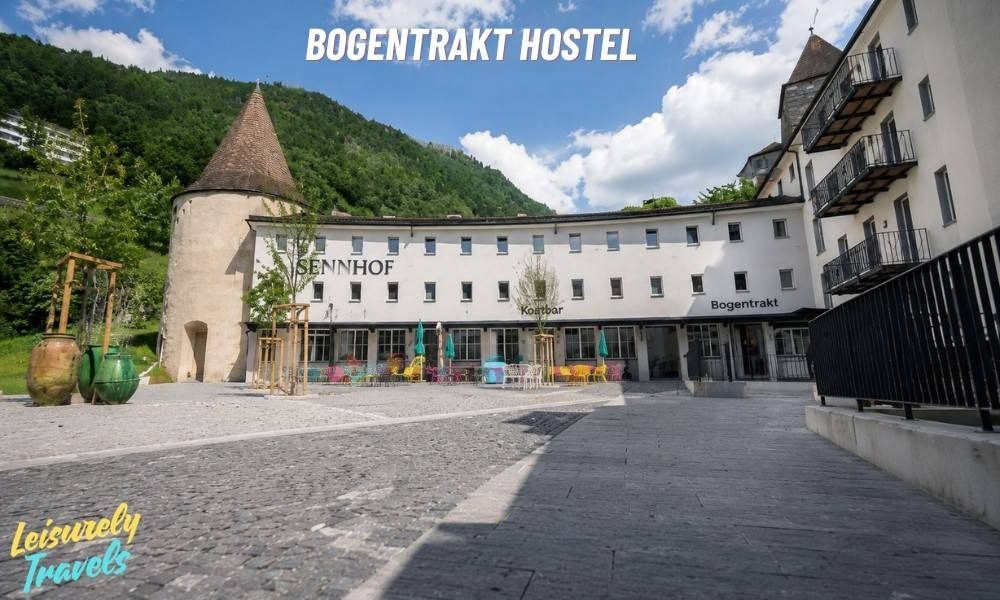
Bogentrakt Hostel takes a different route entirely. Set against a backdrop of vineyards, this former prison was transformed by owner Marco Leibundgut into a vibrant hostel, its German name translating to “curved wing,” a nod to the building’s original curved structure. Old cells have been converted into modern rooms, with QR codes throughout sharing bits of the building’s past.
The facilities lean heavily toward remote workers and long stays: a free coworking space, a guest kitchen (genuinely useful given how pricey eating out runs in Switzerland), and a common room stocked with a library, board games, and a TV. Laundry service, a drinks kiosk, and a small shop covering everyday essentials round things out, alongside the on-site bar and restaurant, Kostbar, whose terrace opens up through summer.
The wider Sennhof complex housing the hostel also holds local designers, a flower shop, and an art gallery, giving the whole block a real sense of community. Dormitory rooms hold four beds each, with curtains for privacy alongside private room options, all newly opened since March 2023.
ABC Swiss Quality Hotel
For something more polished, the ABC Swiss Quality Hotel (4-star) sits close to the train station with modern, fully equipped rooms, an easy walk from the center.
Hotel Stern Chur
Hotel Stern Chur (4-star) leans into history instead, a 360-year-old property in the Altstadt with compact, cozy rooms and a restaurant serving Swiss specialties.
Know Before You Go
Chur genuinely isn’t a place that demands heavy planning or preparation beforehand. This small Alpine town works best when explored simply on foot, letting the streets guide the day.
One fun fact worth knowing: Chur reportedly packs in more bars per square foot than anywhere else in Switzerland, a solid detail for anyone who enjoys a proper night out.
FAQS
Chur connects well by train, with frequent services from major Swiss cities like Zurich, Basel, and Geneva. The ride from Zurich takes about 1 hour and 15 minutes. Driving via the A13 motorway works too, or fly into Zurich Airport and continue by train from there.
Beyond the charming Old Town and historic cathedral, don’t skip the town hall (Rathaus) and the sweeping views of the Swiss Alps from various points around the city.
Swiss classics dominate here; think fondue, raclette, and rösti. Local cheese and chocolate are also worth setting time aside for.
The Swiss Franc (CHF) is standard here. Banks, currency exchange offices, and ATMs throughout the city make exchanging money straightforward.
Yes, it’s located at Bahnhofstrasse 32, next to the main entrance of the manor. Maps, brochures, and local tips are all available there.
Chur ranks among Switzerland’s most walkable cities, with most attractions reachable on foot. Buses and trains also cover the surrounding areas for anyone venturing further out.
Final Thoughts
Old Town Chur remains a sleepy little town in the canton of Graubünden, home to just shy of 41,000 people. The entire city spans under 11 miles, yet character seems to show up at every turn, from cobblestone streets to a cathedral that’s stood for centuries.
Anyone drawn to the medieval era, or simply curious about one of Switzerland’s oldest settlements, will find plenty here worth the detour. Between the Old Town charm, the trains heading out toward the Alps, and a surprisingly dark history hiding beneath the vineyards, visiting Chur, Switzerland ends up feeling like more than just a stopover.
It’s genuinely the kind of place worth hoping to return to someday.

