

Introduction
Washington, DC looks manageable on paper and then feels overwhelming the moment you step off the plane. After more visits than easily countable, one thing became clear: a solid plan makes everything fall into place.
This guide pulls from real visits, honest recommendations, and notes on some of the city’s most popular spots, everything needed to spend 3 days in Washington DC without wasting a single one.
The structure splits into two halves per day, each built around its own theme, a museum day, a city day, and a third day for outdoor exploring and a quieter walk through Arlington. No single museum covers everything, so each half is built around walking distance, timing, and evening options, so nothing feels rushed.
Mapping locations each morning, checking the weather, and coordinating stops all factor in. A priority list of must-see spots shapes a personal itinerary that stays both focused and flexible.
This is the best way to handle a short trip, keeping things low-key when needed while still making the moments that count. DC has something for everyone, and with the right approach, even three days feels like enough.
Washington DC at a Glance
| Category | Details |
| Ideal Trip Length | 3 days for the highlights |
| Best Airport | DCA (Reagan National) for convenience; IAD (Dulles) for flexible fares |
| Getting Around | Metro from DCA reaches downtown in under 30 minutes |
| Day One Focus | National Mall, Smithsonian museums, Capitol Hill |
| Day Two Focus | Georgetown history, food, and the Exorcist Steps |
| Day Three Options | Ford Theater & Mount Vernon, or Arlington & Dupont Circle |
| Where to Stay | Near the National Mall for walkability; Navy Yard for a quieter, food-forward base |
| Local Perk | Many top Smithsonian museums are completely free |
| Currency | US Dollar (USD) |
My Washington DC Itinerary
A first visit to Washington, DC often starts with zero plan. Moving casually from spot to spot feels fine at first until realizing too late that half the day got wasted without any real itinerary. Thanksgiving trips make this worse, since crowds hit their most intense stretch of the year. A rushed power walk through historical sites can leave anyone physically done by the second evening.
That’s usually when a real structure for 3 days starts making sense. The goal stays simple: dedicate each day to a clear theme so the right stops get packed in without feeling scattered. The Smithsonian earns its reputation as the mother ship of DC. Plenty of visitors joke that a full week inside still wouldn’t cover everything, and honestly, they’re not wrong.
Standing in front of the Declaration of Independence is one of those moments worth not rushing. A few quiet seconds there hit differently once things slow down. DC carries a culture all its own, with sharp pantsuits walking past important buildings like it’s just another Tuesday. For those who call this city home, it probably is exactly that.
Whether this is a first visit or a return trip, a solid itinerary changes everything. Washington DC has a way of pulling people back, and its museums, grand boulevards, and historical sites explain why thousands make the trip here every single day.
Day One in Washington DC: History, Food, and First Impressions
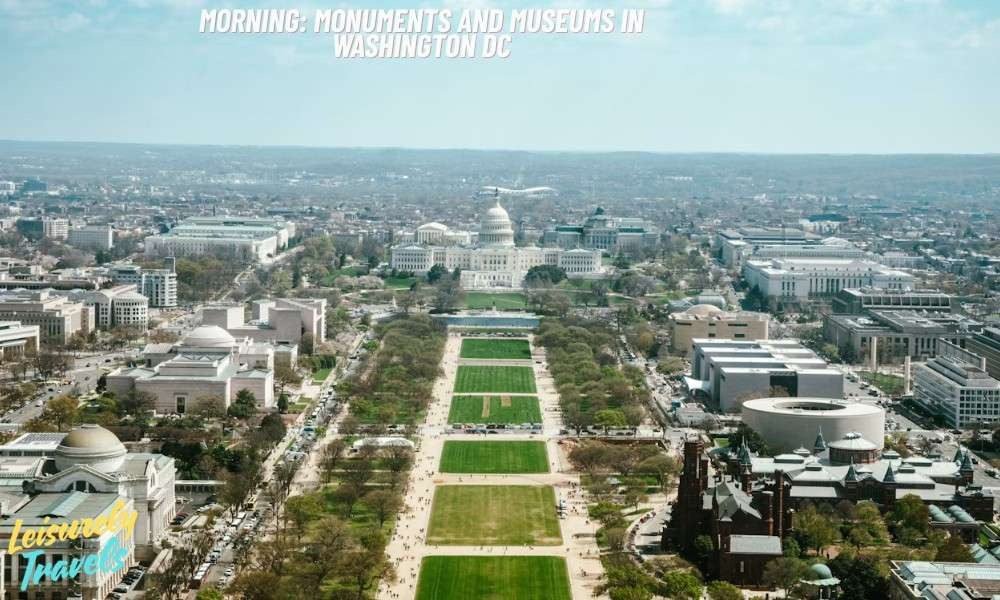
Morning: Monuments and Museums
Most hotels in Washington DC sit close to the main sights, which is worth using to your advantage from the start. The pacing of day one shapes everything that follows, so planning it with intention matters. Breakfast works well at Peacock Cafe in Georgetown, a neighborhood staple for over ten years with solid vegan and vegetarian options.
Outdoor seating on a calm morning eases things into the day nicely. For foodies, brunch can easily become its own event, though keeping it light on day one saves energy for at least two hours of walking through the National Monuments. Advance reservations matter for both the White House tour and Capitol tour, and skipping that step risks throwing off the whole morning.
The Capitol tour runs through a tunnel beneath the building, with security screening that moves faster than expected.
Midday: Capitol Hill and the Archives
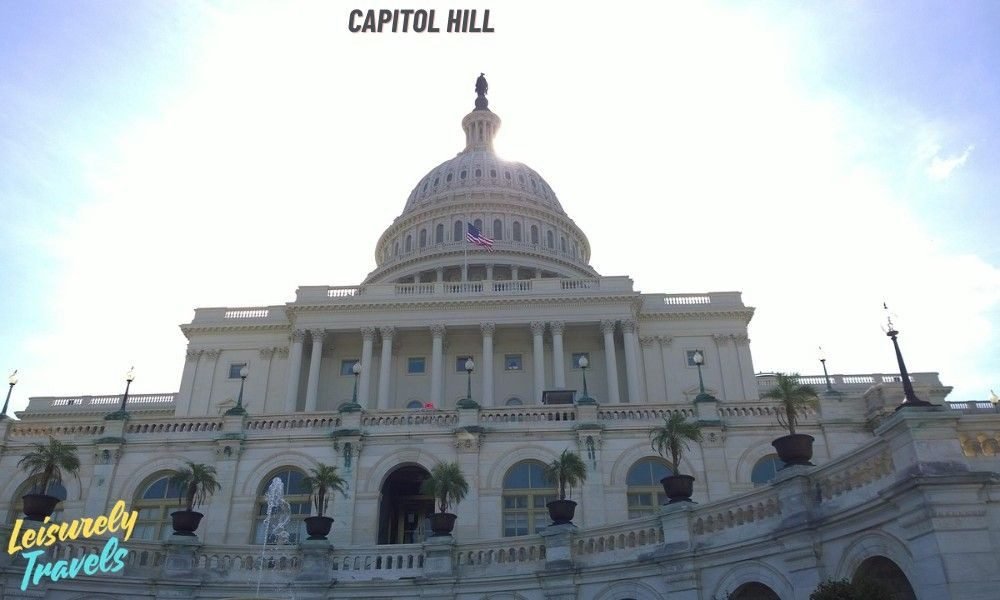
The Library of Congress sits just steps from the Capitol and is worth every minute, its interior closer to a palace than a public building. For lunch, the Capitol cafeteria works as a smart, no-fuss option when time is limited.
The National Archives Museum stands nearby and earns its reputation. Standing close to original documents that shaped the world feels like a breathtaking experience, worth the stop regardless of interest in history.
Reserving a free timed-entry ticket through the official National Archives site helps guarantee entry on busy days.
Afternoon: The Smithsonian Cluster
The Smithsonian museums cluster fills the mid-to-late afternoon well. The Smithsonian Castle works as the best starting point before choosing between the American History Museum, Natural History Museum, or Portrait Gallery.
Timed tickets booked well in advance make the National Museum of African American History and Culture worth dedicating real time to, offering one of the highest-quality museum experiences in the city. The United States Holocaust Memorial Museum sits close by and carries real weight, a heavy visit that still belongs on any historic walk through the city.
Current hours and timed-pass requirements for each museum are worth checking on the official Smithsonian site before heading out.
Evening: The Mall and Dinner
As dusk settles over the National Mall, crowds thin out and the monuments take on an almost cinematic glow, worth a slow walk to let the day settle. Dinner at Old Ebbitt Grill, Washington’s oldest saloon, carries that history effortlessly, its calamari with pickled cherry peppers a standout even for those who don’t usually order seafood.
For something more relaxed, We the Pizza serves some of the best pizza in the area, with a fun menu that includes a few patriotic touches. Day one in Washington DC tends to feel like several days packed into one, and it’s really just the beginning.
Day Two in Washington DC: A Full Day in Georgetown
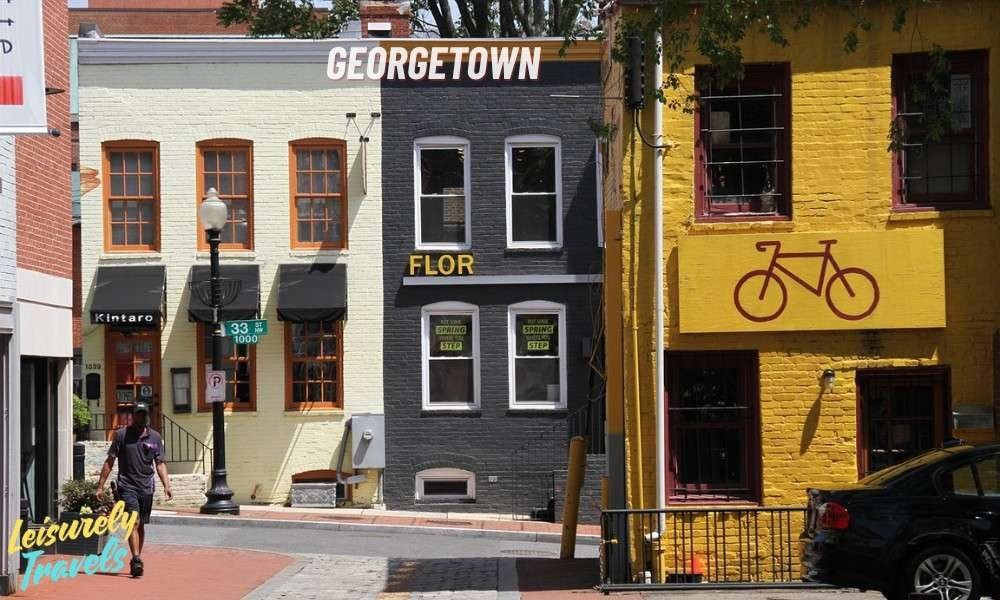
Morning: Brunch and the Exorcist Steps
After day one’s intensity across the Mall, Georgetown offers a completely different side of DC. This historic college town adds texture no travel guide fully prepares for; it has to be felt on foot. Brunch at Martin’s Tavern makes a strong start. It’s an institution open for nearly 100 years where several presidents have eaten and where JFK proposed to Jackie Onassis.
History lives quietly in every corner booth here. For something lighter, trendy bagel spots along M Street offer a quicker start, with shops and historic architecture setting a solid tone before the Historic District pulls things deeper in.
Walking toward Prospect St and 36th St NW leads to the iconic Exorcist Steps, yes, from the movie. Climbing them doubles as a mini workout and one of those unexpected city-street moments worth telling people about later.
Midday: Cats, Coffee, and Lunch
Crumbs and Whiskers, a cozy café worth booking ahead, is home to rescued cats saved from euthanasia, some available for adoption. It fills up fast, so grabbing a ticket in advance helps, and the chill energy inside slows everything down nicely.
For coffee, Bitty and Beau’s Coffee stands out, a warm shop employing baristas with disabilities. The chai and muffins hold up well, and the friendly, engaging spirit of the space feels actually real.
Lunch at Good Stuff Eatery delivers solid specials, with Cajun fries worth the detour on their own, exciting enough to feel adventurous yet calm enough for a proper midday break. For food allergies or dietary preferences, Clyde’s works as the smarter pick, upscale without feeling stiff, and staff handle special requests without making it awkward.
Afternoon: The Waterfront and Canal
A slow walk through Georgetown Waterfront Park along the C&O Canal offers a genuine break from the bustle. Benches and a walking path along the water reset both legs and mood after a busy morning.
Il Canale, right beside the canal, serves excellent pizza with a gluten-free option and outdoor seating overlooking the water, worth a stop if the afternoon runs long.
Evening: Dinner and Dessert
Dinner at Filomena closes the day well, a true Georgetown staple known for generous portions and a warm, old-world atmosphere built for sharing. For dessert, Thomas Sweet has served ice cream to modern-day presidents and everyday visitors for decades, its Swiss chocolate malt and butter brickle flavors iconic, alongside sorbets and vegan options so no one gets left out.
Georgetown Cupcake nearby rotates seasonal flavors like coconut, key lime, and raspberry chocolate chip, the kind that keeps people coming back. For anyone who prefers cookies instead, Levain Bakery closes the night well, with thick, warm chocolate chip walnut and caramel coconut chocolate chip pairings perfect with one last cup of coffee.
Day Three in Washington DC: Choose Your Pace
Day three offers two possible paths, and which one you pick is simply a matter of preference, not a fixed guideline. One route leans outdoors and is reflective, built around Ford Theater and Mount Vernon. The other leans social and historic, centered on Arlington National Cemetery and the buzz of Dupont Circle. For more multi-day planning ideas, our travel itineraries cover other destinations in the same day-by-day format.
Option A: The Outdoor Option
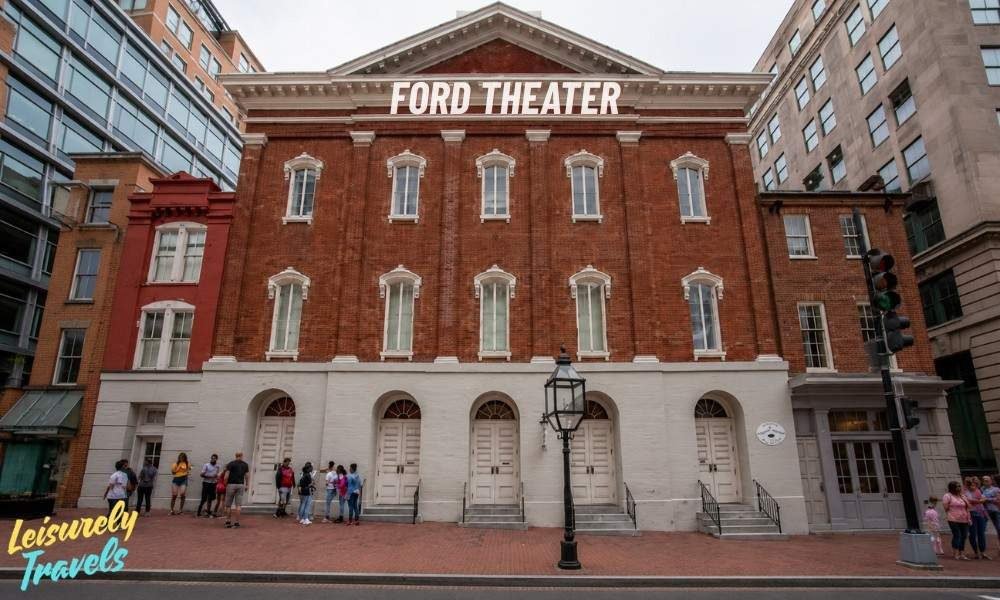
Morning: Ford Theater and Breakfast
Ford Theater earns more respect the second time around, and it tends to hit differently on repeat visits. Its guided tours stay well-paced without the stiff, field trip-chaos energy some historical sites carry. Before heading in, a stop at Tatte Bakery works well for breakfast, its pastries properly good and the coffee strong, with a grab-and-go setup that suits the final trip day working against the clock.
Midday: The Botanic Garden and Lunch
After Ford’s Theatre, the United States Botanic Garden offers something completely different, a slow walk through grounds that feel peaceful and a little unexpected. Most visitors don’t realize how beautiful it actually is until standing inside, and it’s worth spending a couple of hours here, especially after two heavy days of indoor museum time.
Practical shoes matter too, since some paths can get muddy after rain. For lunch, the Portrait Gallery cafeteria nearby is a convenient option foodies tend to overlook, with fair prices and a calm space that makes for a solid midday break next to great art.
If the cafeteria isn’t the right style, Hawk & Dove offers a full menu with solid burgers and a relaxed, outdoor-themed atmosphere that suits a third-day pace, the kind of place where locals actually eat.
Afternoon and Evening: Mount Vernon
The afternoon heads out to Mount Vernon for the main outdoor stretch of the day, its grounds expansive enough that the explore-at-your-own-pace format never feels rushed. For dinner, the Mount Vernon Inn Restaurant sits right on-site, a fitting end to an outdoor-heavy day, with French fries that turn out surprisingly good.
For anyone back in the city by evening with energy left, the Portrait Gallery is one of the few spots that stays open late, a quiet, unhurried walk through it making a fitting final note for Lincoln fans and art lovers alike.
Option B: The Arlington and Dupont Circle Option

Morning: Arlington National Cemetery
Arlington National Cemetery is best visited during morning hours, when crowds thin out and the air stays cool. The walking paths through notable graves carry a weight that museums or historic sites don’t quite replicate, a deeply still experience worth the early start.
Larger groups should note the cemetery layout can feel sprawling, so building in extra time and wearing comfortable shoes helps. Getting there before afternoon heat sets in makes the whole visit more manageable and meaningful. Choosing between this and Mount Vernon is close, but Arlington gives a final day a sense of gravity that feels right when wrapping up a trip already heavy on history.
Midday: Dupont Circle Exploring
Breakfast at Dolcezza Gelato & Coffee in Dupont Circle makes a lovely start, the coffee excellent and the space carrying a calm, electric energy. The gelato here uses the freshest ingredients in the city, and yes, it’s absolutely fine to have gelato at breakfast.
Dupont Circle itself is worth time on its own, a charming residential area layered with shops, unique restaurants, and a neighborhood feel different from the tourist-heavy zones already covered. Embassy Row runs right through it, adding an extra layer of intrigue.
Kramer’s bookstore has been a neighborhood landmark for decades, the kind of cool, lived-in space that makes staying longer feel natural, worth browsing slowly before picking something up for the flight home. The Dupont Underground, a short walk away, runs out of a former trolley station beneath the street, an electric space unlike anything else in the city.
Lunch and Afternoon: Food and Mini Golf
Boqueria Dupont serves outstanding Mediterranean food in a buzzy, social setting, its appetizers built for grazing rather than formal eating, suited well to a relaxed third-day pace. Agora DC works as a strong nearby option too, with a Mediterranean-leaning menu, fast service, and a setting that suits solo travelers and larger groups alike.
In the afternoon, Swingers Crazy Golf offers something honestly fun, a creative indoor mini golf setup with good drinks that larger groups tend to love; no deep planning is required, just show up and enjoy.
Evening: Dinner Options
Clyde’s makes a reliable dinner pick, its broad menu and welcoming atmosphere handling larger groups without stress, the food and service staying consistently solid. For a more local pub feel, Murphy’s Pub and Celtic House both offer a warm, unhurried dinner setting where the evening can stretch naturally.
Quarterdeck is worth knowing too, especially for appetizers and a casual close to the night that doesn’t demand much thought. To end on dessert, Dolcezza Gelato & Coffee near Dupont Circle makes a worthy final note as the trip wraps up.
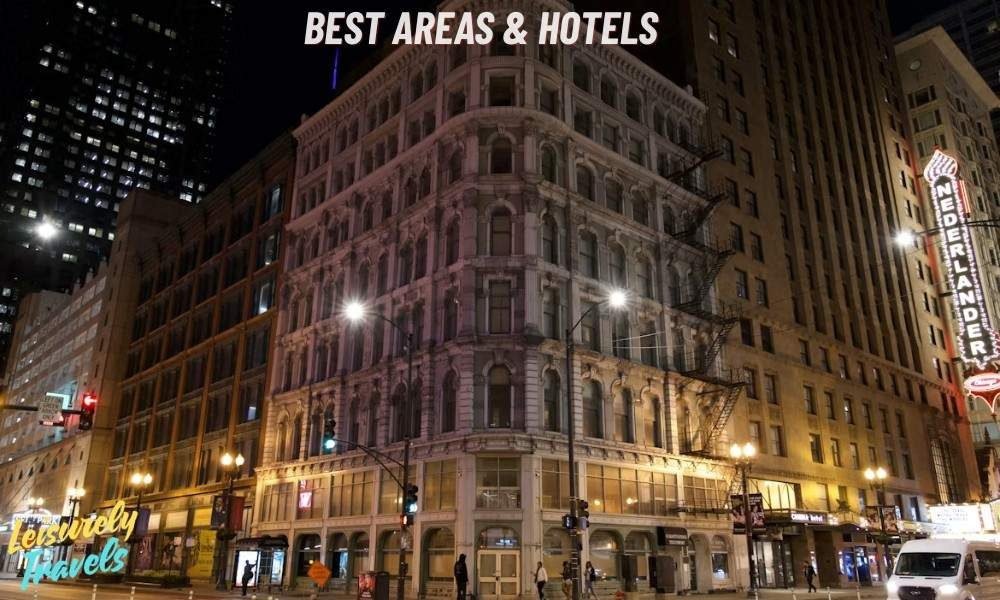
Where to Stay in Washington DC: Best Areas & Hotels
Location Matters More Than Expected
Choosing where to sleep in Washington DC shapes the entire trip more than most people expect before arriving in town. The wrong area adds unnecessary travel time and quietly drains the energy needed for the actual city.
The top pick for location stays anywhere within walking distance of the National Mall. Waking up close to historic sites, Capitol views, and the Botanical Gardens makes early mornings feel truly rewarding rather than logistically stressful.
Hotel Options Worth Considering
The Residence Inn near the Mall stands out among practical choices, offering complimentary breakfast, a solid gym, and a water bottle refill station in the lobby. These small details matter a lot when moving fast across a three-day itinerary.
For travelers leaning toward character over convenience, boutique hotels in DC deliver something the bigger chains simply don’t, more aesthetically pleasing spaces, thoughtful design, and nearby restaurants that feel like neighborhood finds rather than tourist traps.
Air B&Bs work well too, especially for anyone wanting a quieter setting after long days on foot. A residential pocket keeps things away from the most crowded, loud parts of the city without sacrificing too much access. One honest note: some budget-friendly spots cut corners on basics like water pressure and room size, so reading recent reviews carefully before committing pays off.
Underrated Neighborhoods
The Navy Yard area makes a decent, underrated base, especially if a baseball game is part of the plan. It sits farther from the core historic sites, but the high-quality food scene and calmer streets make it a really pleasant place to recharge each night.
The Museum of the Bible stays walkable from several boutique properties in the southwest corridor, worth factoring in for anyone with it on the list. Using hotel location wisely can quietly unlock extra stops without adding commute time.
Whatever the hotel preference, the real goal stays simple: find a place that allows sleeping well, recharging fully, and stepping back into the city each morning without burning half the day just getting there.
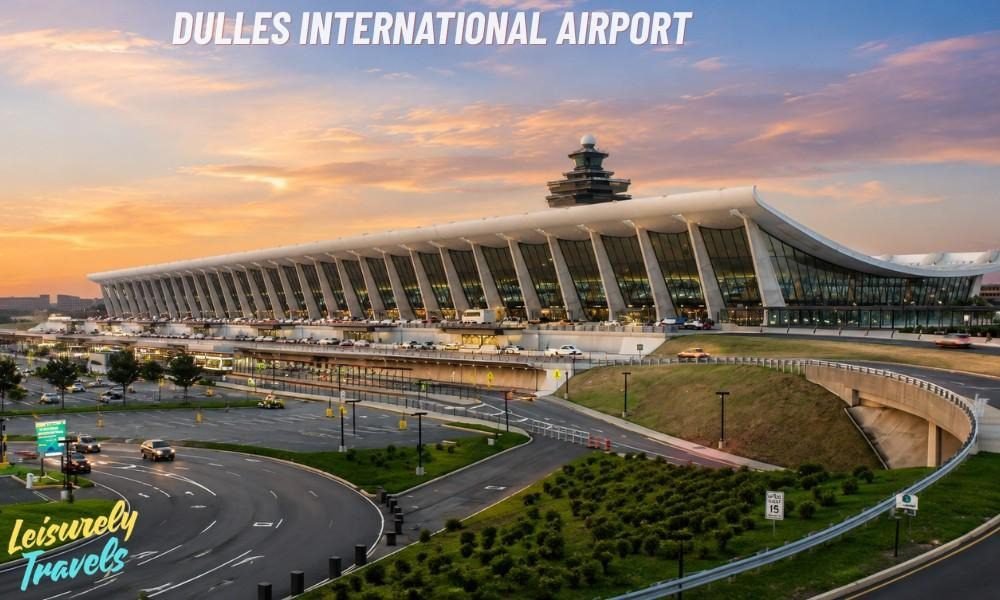
IAD vs DCA: Which Washington DC Airport Is Best for Your Trip?
Why DCA Wins for Convenience
Ronald Reagan Airport, known as DCA, wins almost every time on convenience, and that’s not a random opinion. It sits right in Arlington, Virginia, with a metro stop directly inside the terminal connecting to downtown DC in under 30 minutes.
Accessing the city from DCA through public transportation stays extremely straightforward, which matters a lot when landing tired and just wanting to reach the hotel. No shuttle, no guesswork, just the metro and moving straight through.
Where IAD Fits In
IAD, technically known as Dulles International, sits much farther out from the city center. The journey into DC takes significantly longer, costs more, and adds a layer of friction that hits harder on a tight schedule.
That said, IAD does offer more flexibility on flight options; sometimes fares run lower or routes work better depending on where the flight originates. If the price difference is significant, the longer transfer can still be worth it.
Traffic and Timing to Watch
One thing worth keeping in mind with DCA: presidential traffic. The airport sits in controlled airspace, and delays can happen without much warning, including flights held on the tarmac over weekends for reasons never fully explained.
Afternoon traffic around DCA can also slow ground transport considerably, so budgeting extra time matters for anyone not taking the metro. The metro remains the better option for avoiding that stress entirely and arriving in DC without watching the clock from inside a cab.
Current flight schedules and security wait times are available on the official Reagan National Airport site.
Where to Eat in Washington DC: Best Restaurants & Food Spots
Quick Bites Between Sightseeing
DC’s food scene rewards a bit of research; the difference between a memorable meal and an overpriced disappointment often comes down to knowing where to go before hunger sets in. For something fast and reliable between museums, Potbelly Sandwich Shop earns its place without apology.
Its sandwiches are built on good bread with fresh ingredients, and the line moves quickly, the kind of simple stop that saves anyone from a fast-food rush regret.
A Splurge-Worthy Dinner
Bourbon Steak works well when the trip calls for something truly fancy and upscale. It’s expensive by any measure, but for special occasions or a deliberate 5-star dinner, the experience justifies every bit of it.
Ending the Night on Dessert
Ending any evening well often comes down to dessert. Van Leeuwen Ice Cream rotates fun flavors regularly, with some of the best vegan options in the city. Or head to The Creamery at Union Market for thick milkshakes and creative ice cream sandwiches that close a long day on exactly the right note.
With this many restaurant stops across three days, a quick tip calculator makes splitting the bill or working out the right tip effortless.
Best Things to Do in Washington DC for First-Time Visitors
Two More Spots Worth Knowing About
The Disabled Veterans Memorial sits as a quiet, powerful stop along the Mall that often gets overlooked between the bigger-name sites. It’s worth a few minutes on any walk through the area.
The Museum of the Bible charges paid admission, worth factoring in if there’s room left in the itinerary. The exhibits lean more toward an immersive experience than a straightforward lecture, making it a solid add for anyone with extra time.
FAQS
Is 3 days enough for Washington DC?
Yes, 3 days covers the major museums, monuments, and at least one full neighborhood day comfortably. Tighter schedules can still hit the highlights by prioritizing the National Mall and one Day Three option.
Which airport is better, DCA or IAD?
DCA wins for convenience, with a metro stop right inside the terminal connecting to downtown in under 30 minutes. IAD sits farther out but sometimes offers better flight prices, worth it if the savings are significant.
Are the Smithsonian museums free?
Yes, all Smithsonian museums offer free admission year-round. Timed tickets are still recommended for popular ones like the National Museum of African American History and Culture.
Do I need reservations for the White House or Capitol?
Yes, both require advance booking through official channels, and slots fill up fast. Arriving early on tour day also helps avoid losing time to security lines.
What’s the best area to stay in DC?
Staying near the National Mall keeps most sights within walking distance. Navy Yard works well too, especially for a quieter base with a strong food scene nearby.
Is Arlington National Cemetery worth visiting?
Yes, especially in the morning when crowds are thinner and the air stays cool. The walking paths through the graves carry a weight that’s hard to replicate elsewhere in the city.
Final Thoughts
Three days in Washington DC covers more ground than it sounds like at first, monuments at dawn, museums by afternoon, and a neighborhood or two once the sun goes down. The city rewards a plan, but it still leaves room to slow down when a moment calls for it.
Whether the pull is history, food, or a quiet walk through Arlington, this trip tends to leave people already thinking about round two.
If short-trip city guides work well for you, our 3 days in Rome itinerary follows the same day-by-day structure.

